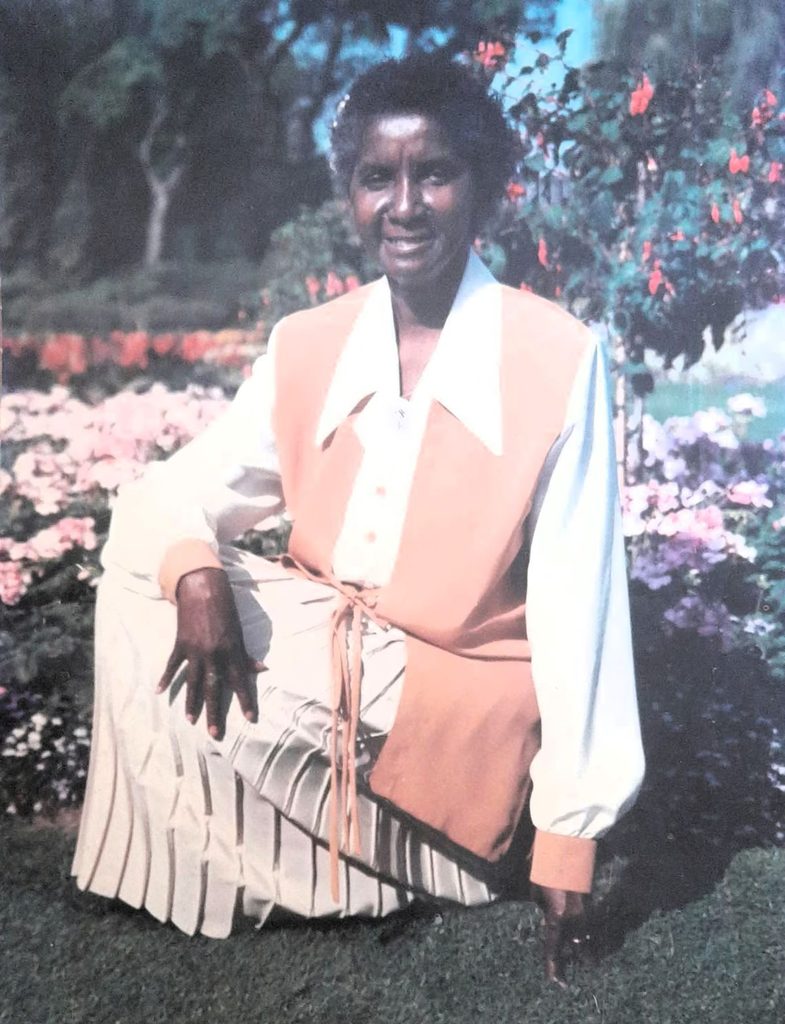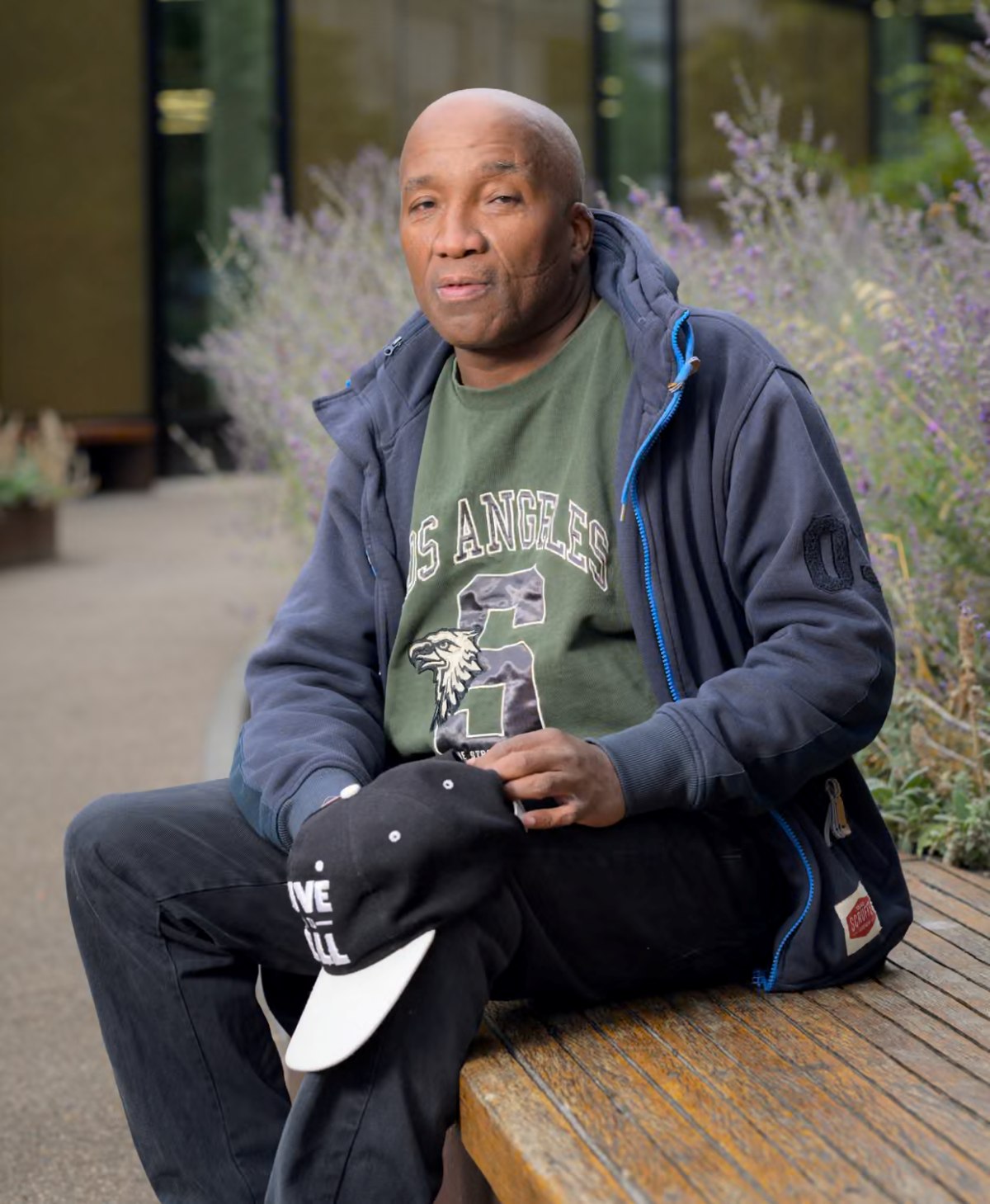
For most of his life, Britain has been Tony Hall’s only home.
Tony Hall arrived from Barbados in 1976 at the age of twelve, joining his mother and five older sisters in London. He attended school in Britain, built his family and community relationships there, and has lived in the country for almost 50 years. Yet for much of the past two decades, his life has been moulded not only by a serious criminal conviction but also by a prolonged immigration battle that continued long after he had completed the sentence imposed by a British court.
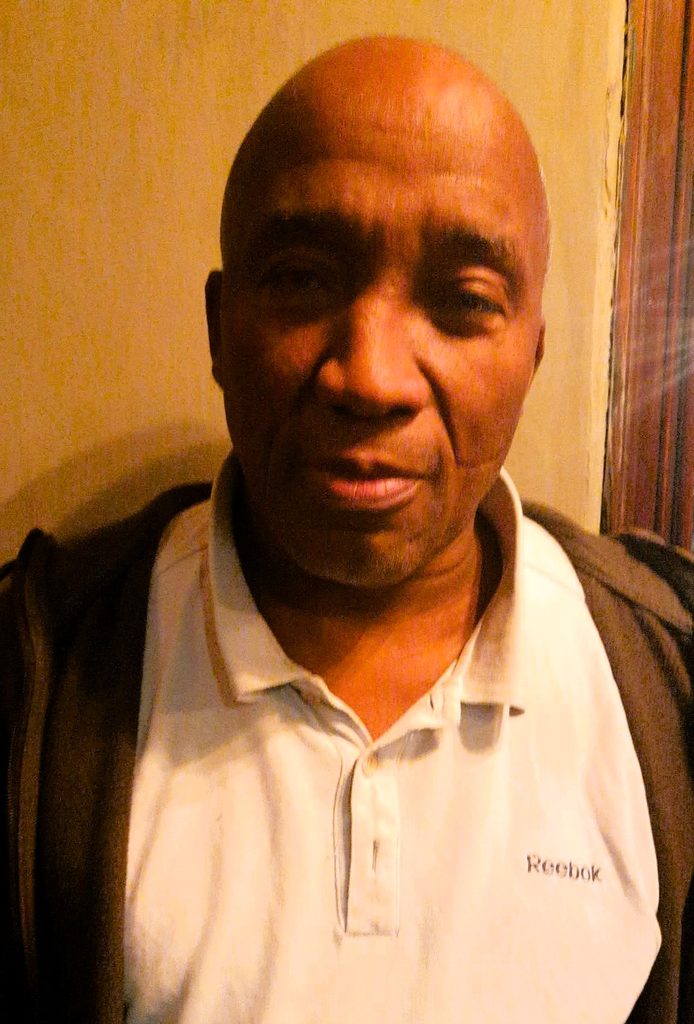
Following a recent review of his case, Hall’s deportation order has been lifted. He has been granted 30 months’ temporary immigration status, allowing him to work legally and access support available under that status.
The development allows Hall to regain his independence and rebuild a life supporters say was effectively put on hold for more than a decade. It also raises wider questions about rehabilitation, citizenship, and the treatment of long-settled migrants with criminal convictions. Hall was convicted in 2001 of conspiracy to rob and possession of a firearm with intent in connection with a planned security van robbery. Published reports state that Hall carried a replica firearm while a real gun was found in a vehicle involved in the operation. The robbery was prevented when police intervened before it could be carried out.
He received an eight-year prison sentence and served it in full. Hall does not dispute the seriousness of the offence. While in prison, he completed vocational training, including qualifications intended to help him find work as a painter and decorator on release. However, the stable return to community life that many former prisoners seek after completing their sentences did not materialise.
Although born in Barbados, Hall had spent most of his life in Britain. In January 2010, the Home Office placed him on a flight to Barbados. Reports indicate that Barbadian authorities refused him entry and returned him to Britain the following day.
Supporters said the consequences were important. Hall could not work legally, secure independent housing, or take many of the practical steps involved in rebuilding life after prison. He remained dependent on relatives and was required to report regularly to the Home Office while living under the possibility of detention and removal. A nephew created promotional materials and a website for a painting-and-decorating business Hall hoped to establish. Because of his immigration status, he could not proceed with those plans.
The circumstances have prompted wider debate about the relationship between punishment and rehabilitation. Supporters argue that Hall’s case raises an important question: once a criminal sentence has been served, under what circumstances should additional restrictions continue, particularly for someone who arrived in Britain as a child and has spent most of his life in the country?

Among those who have contributed to that discussion is Martin Forde KC, who has Bajan heritage, the former independent adviser to the Windrush Compensation Scheme. Those supporting Hall argue that his offence should not be excused or forgotten, but that any assessment of his case should account for his age on arrival, length of residence, family ties, and the years he spent living under immigration restrictions after completing his prison sentence. His circumstances have also been considered within the wider context of the Windrush scandal. His case differs from many Windrush cases because of his criminal conviction. Nevertheless, supporters maintain that issues of documentation, belonging, long-term residence, and Home Office decision-making place it within a wider discussion about the treatment of Caribbean-born residents who arrived in Britain as children.
Public attention to Hall’s circumstances increased after he shared his experience with The Guardian. According to case-related correspondence, the Windrush Commissioner, Rev Clive Foster, later took a personal interest and made representations to the Home Office.
The correspondence stated:
“The Windrush Commissioner personally intervened with the Home Office, making clear that a kind approach should be taken in your case. I know that progress has sometimes felt slow, but we have continued working on your case in the background.” Supporters view the intervention as recognition that Hall’s circumstances went beyond his criminal conviction and included five decades of residence, close family ties, and a complex immigration history.
It allows Hall to work legally, seek independent accommodation and begin rebuilding his life after years of uncertainty. It does not erase his conviction, grant citizenship, or resolve all questions surrounding his immigration status. However, it creates a pathway for him to demonstrate rehabilitation through employment, community participation, and self-sufficiency.
Supporters argue that any future citizenship application should be considered in the round. They point to his arrival in Britain as a child, his decades of residence, his family and community connections, and the fact that he completed the prison sentence imposed by the courts. Whether citizenship is granted will depend on the law and the merits of any application. However, supporters claim that Hall’s case shows compelling circumstances for consideration.
Another issue likely to attract scrutiny is whether the case should be considered for compensation. Supporters maintain that years spent unable to work legally, establish an independent home or build financial security had major personal and economic consequences. Whether compensation would be available depends on legal and evidential considerations, including the basis of Home Office decisions and the applicability of any compensation scheme. Nevertheless, they believe the question warrants serious examination.
Tony Hall’s case goes beyond one individual’s circumstances. It raises broader questions about justice, rehabilitation, immigration policy, and the treatment of long-settled residents who have served criminal sentences. He committed a serious offence, was convicted, and completed the punishment the courts imposed. The continuing debate concerns what happened afterwards and whether the years spent living in immigration limbo were proportionate and consistent with the principles of rehabilitation.
Lifting his deportation order amounts to a significant turning point. At 62, Hall says he wants to work, regain his independence, and contribute to the country where he has spent most of his life. He also intends to pursue a more secure immigration status and British citizenship.
Whether he succeeds remains to be determined. What is clear is that his case raises tough questions about punishment, rehabilitation and belonging. After half a century in Britain, Anthony”Tony” Hall’s future may depend on how those questions are answered. The next one.