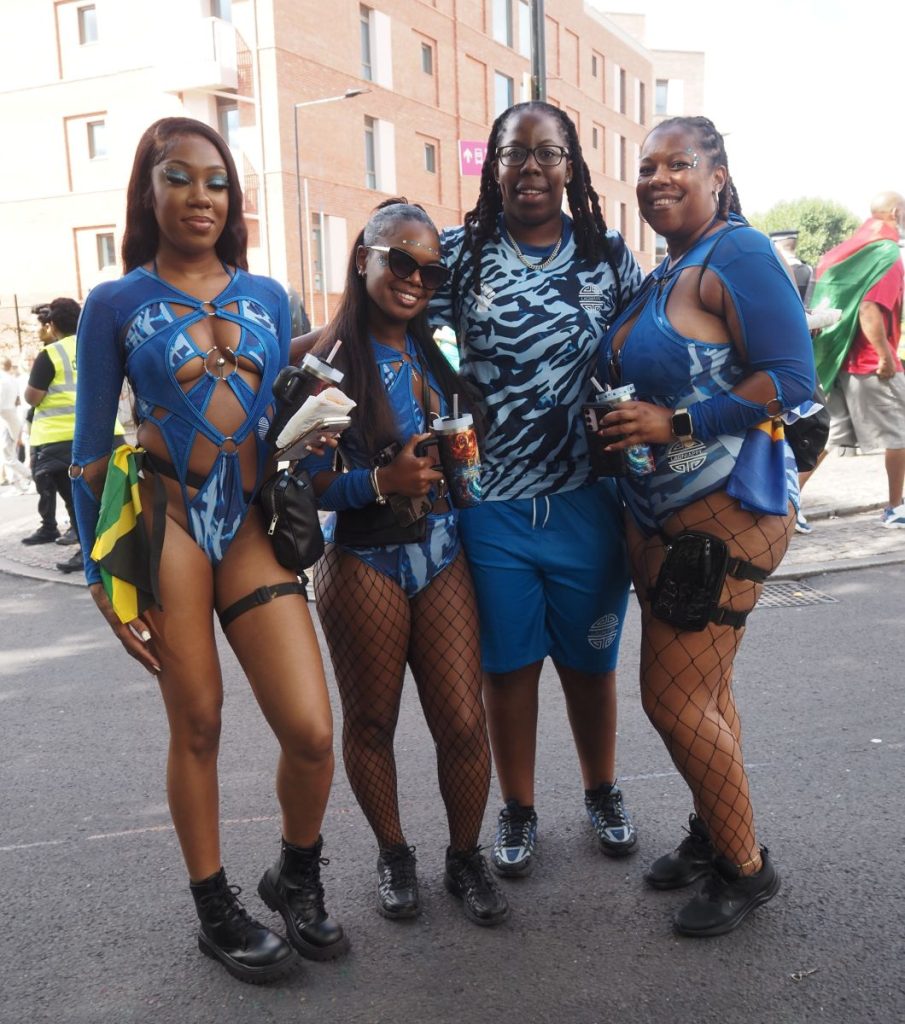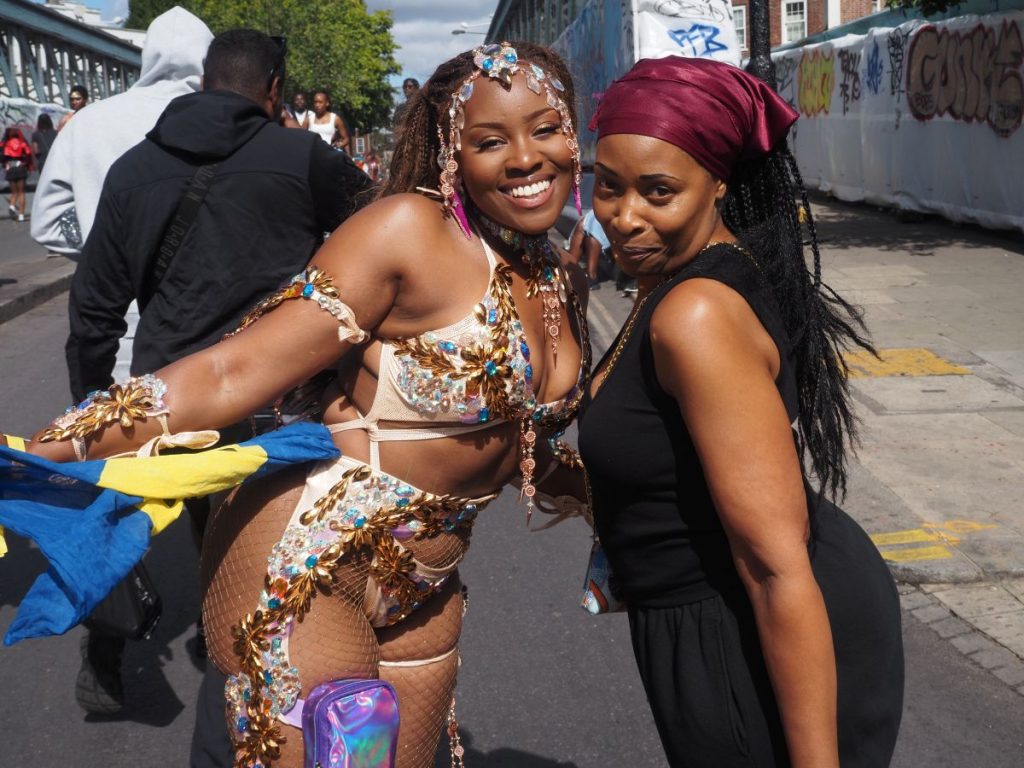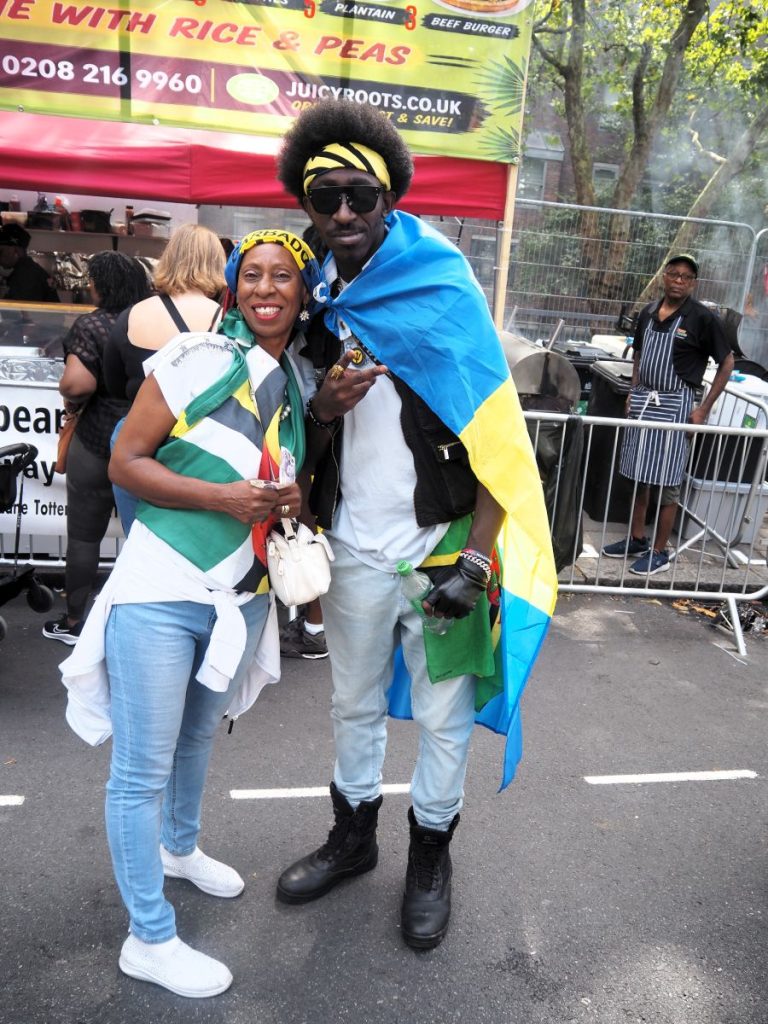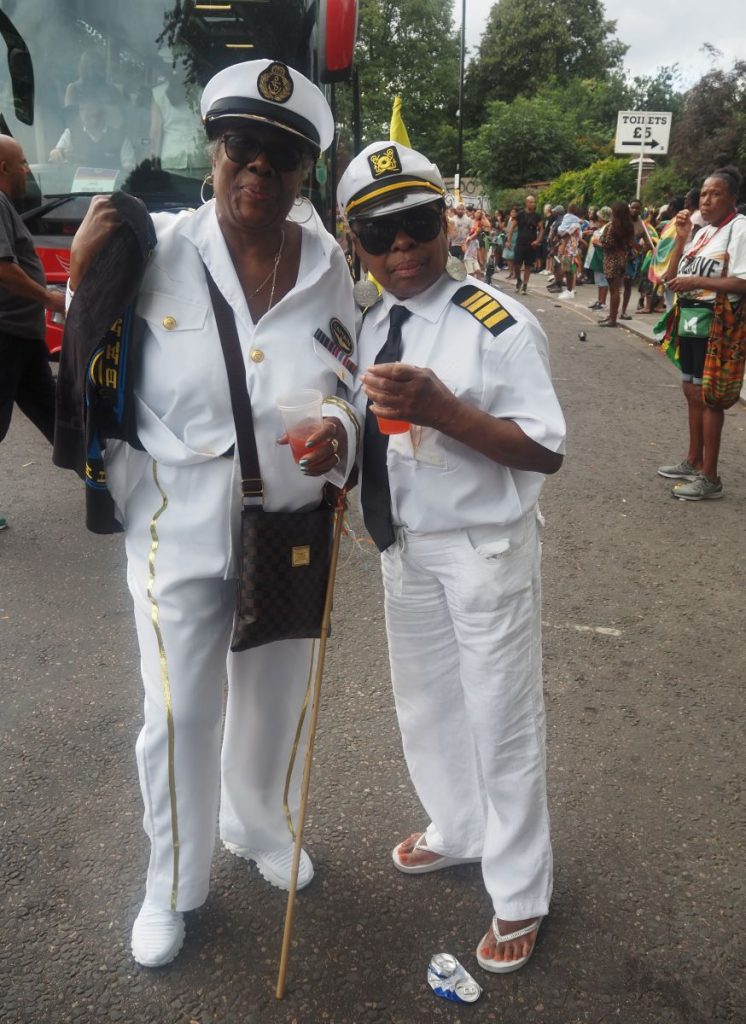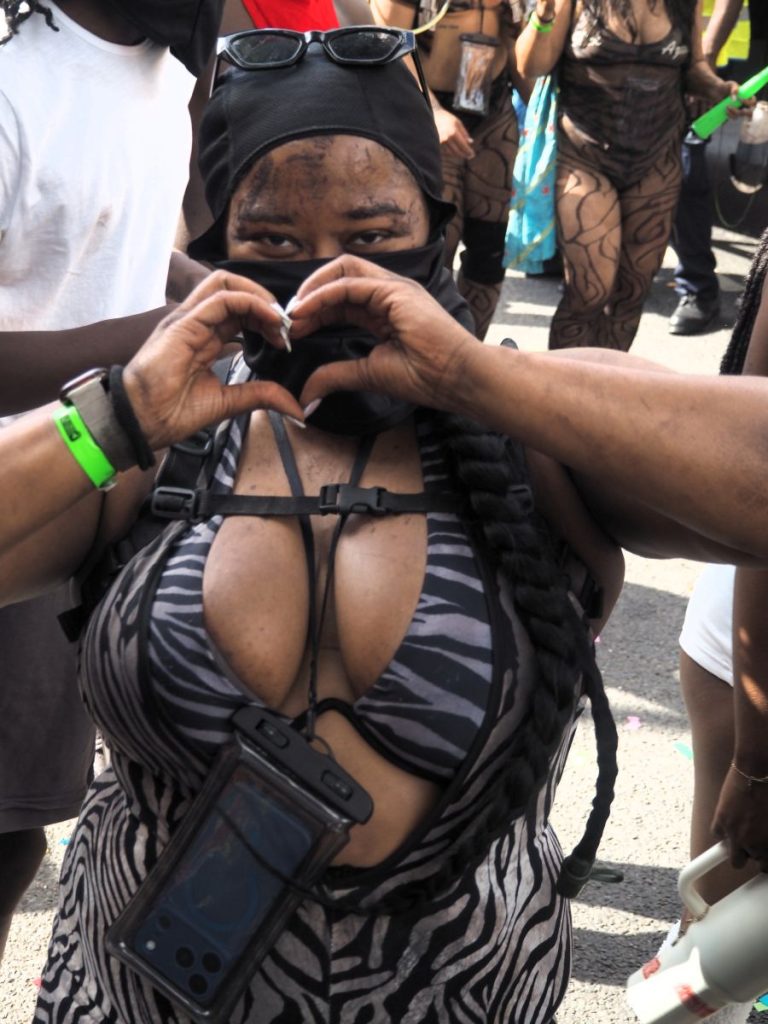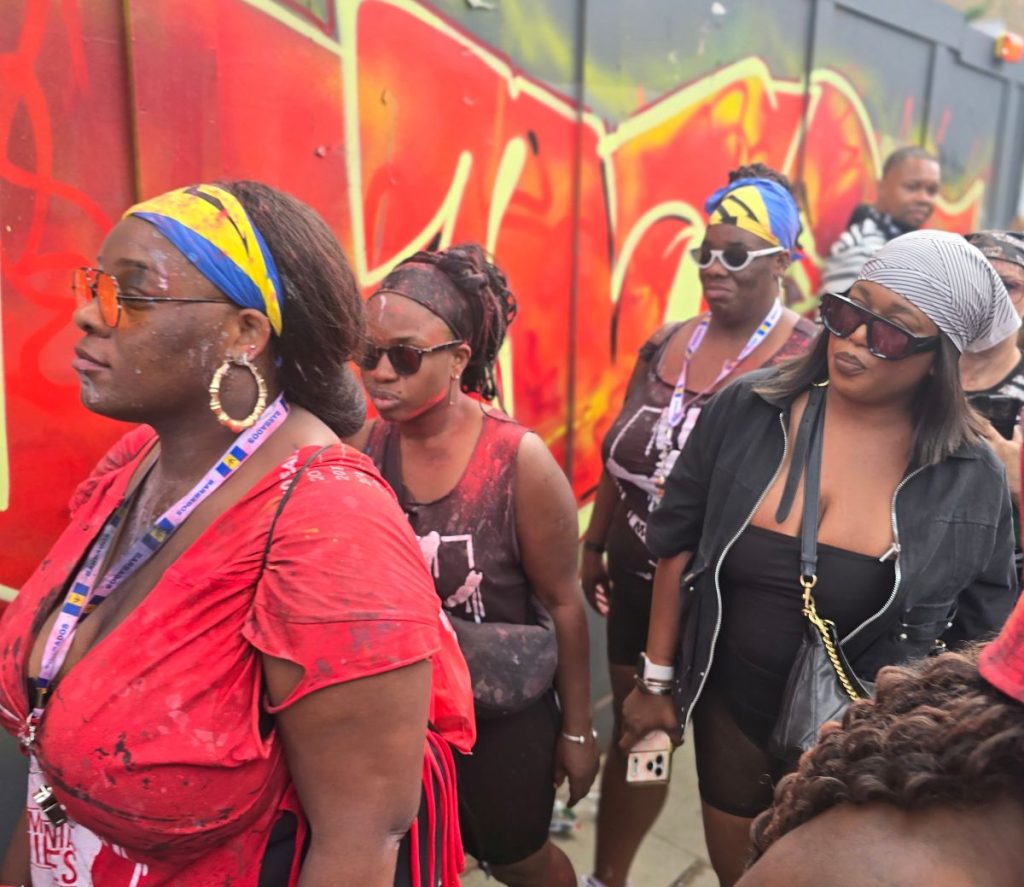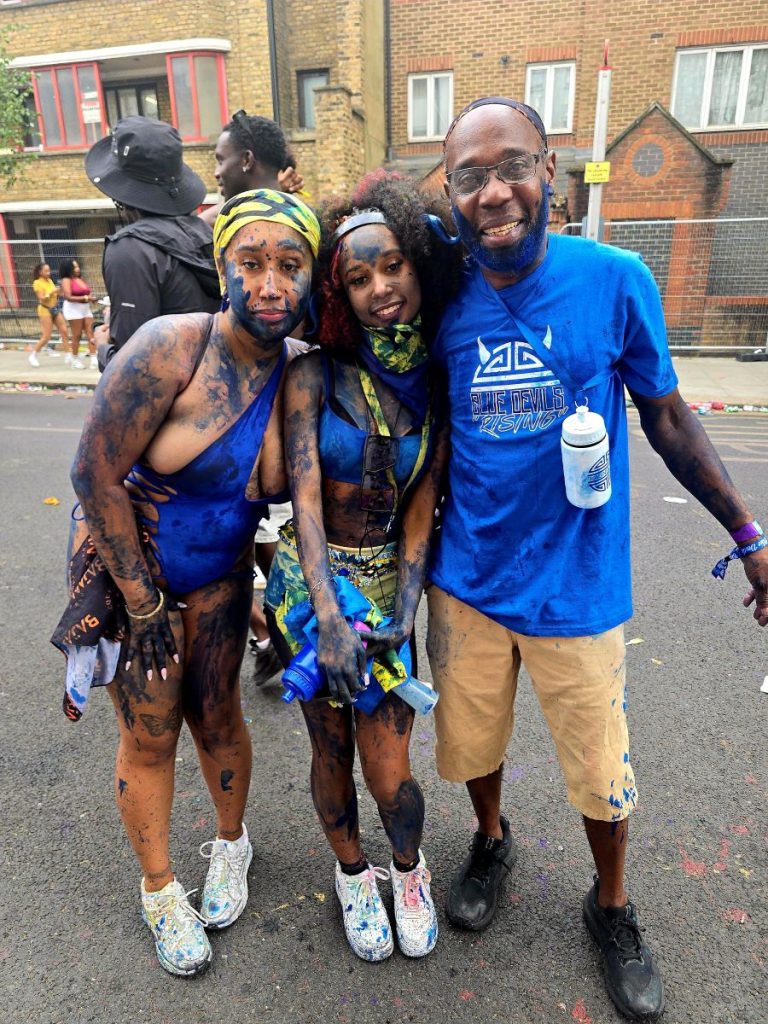
For one weekend every August, West London becomes something else entirely. The familiar streets of Ladbroke Grove, Westbourne Park, and Notting Hill shift into a living, breathing canvas of colour, rhythm, and Caribbean pride.
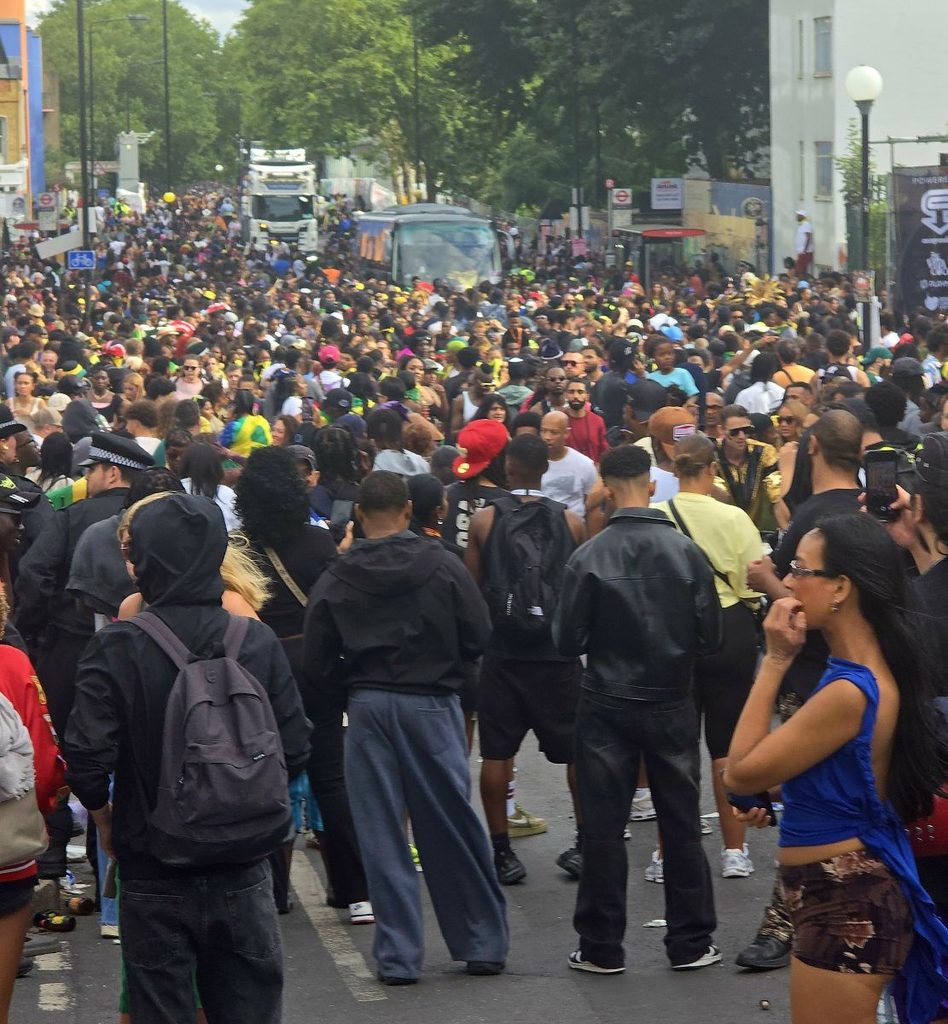
This year’s Carnival carried special weight as it marked the Diamond Jubilee: 60 years since the first Notting Hill street Carnival in 1966. What began as a community celebration has grown into an internationally recognised cultural institution, honouring Caribbean history, music, food, creativity, and identity in Britain. Rooted in the legacy of the Windrush generation and Caribbean communities’ resistance to racism in post-war Britain, Carnival now stands as a powerful symbol of multicultural London and the Caribbean contribution to British society. It reaffirmed why millions continue to gather in this corner of London for one of the world’s most joyful cultural celebrations.
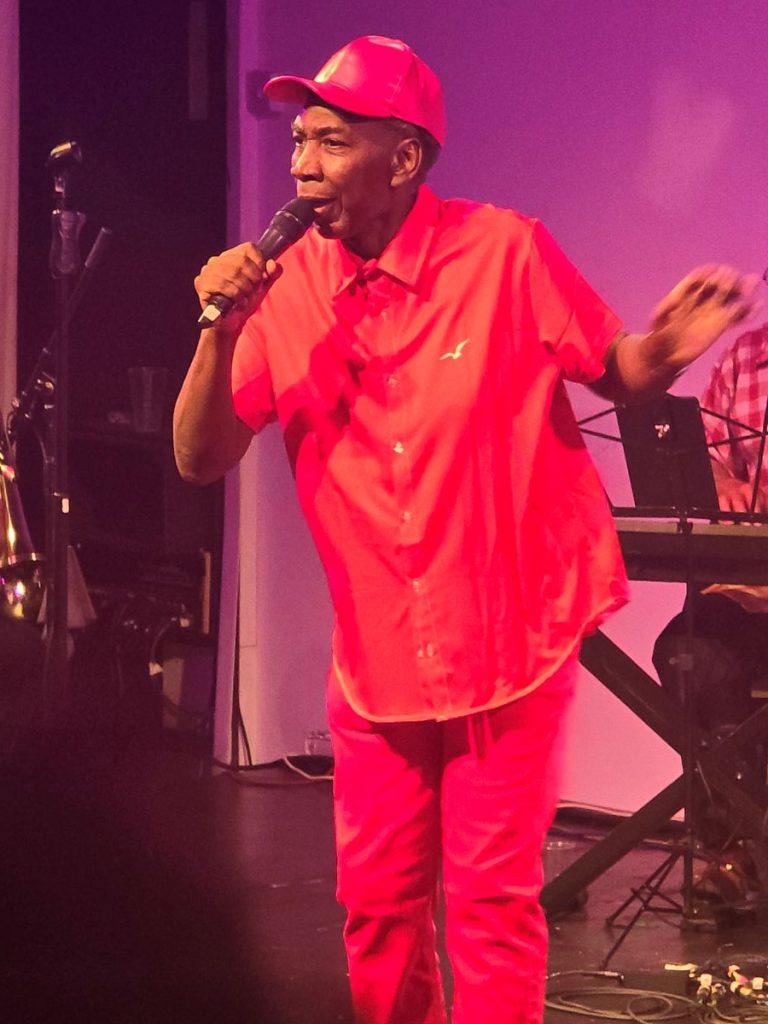
Carnival’s Diamond Jubilee opened with the Calypso Tent, a cherished tradition that honours Caribbean music’s storytellers. This year’s line‑up brought together beloved veterans, De Admiral, Alexander the Great, Lord Cloak, and G‑String. It marked a milestone moment as Polly Falconer finally made her London debut after years performing at AJ’s Tent in Reading. Their performances set the tone for a weekend rooted in heritage, humour, and lyrical brilliance.
On Saturday 29 August, Panorama, the UK National Steelband Competition at Emslie Horniman’s Pleasance Park, brought together steel orchestras such as Ebony, Mangrove, Metronomes, and Real Steel, adding their unmistakable shimmer and saturating the air with the sound of hammered oil drums.
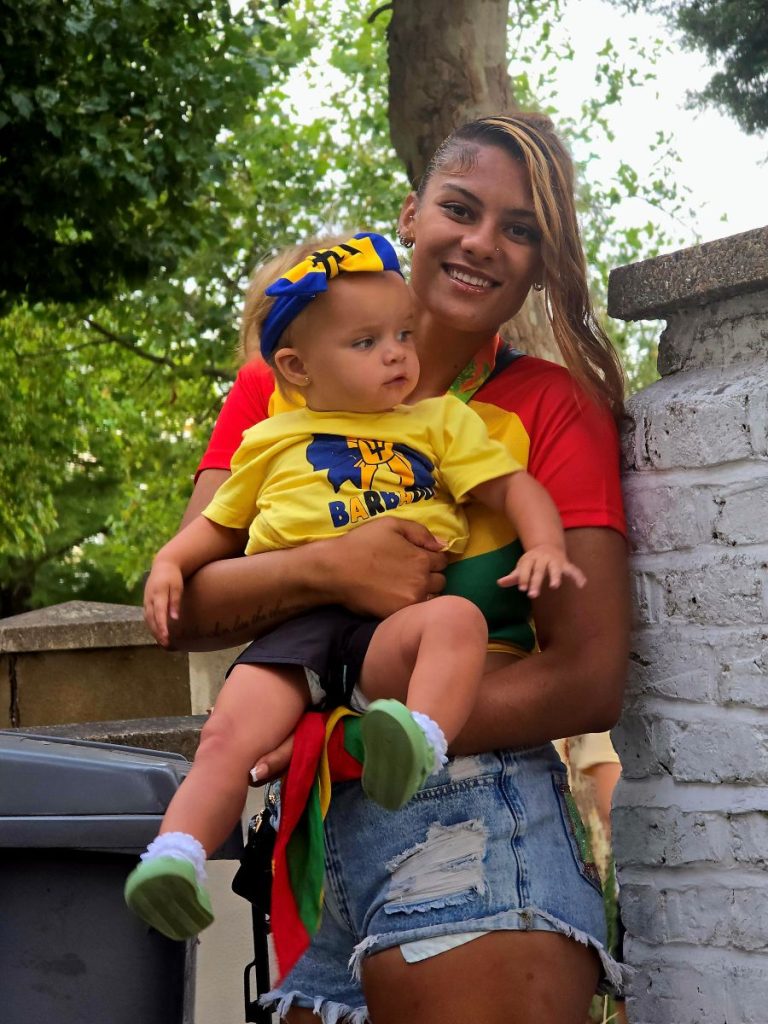
Sunday began with Jouvert, the sunrise ritual that signals Carnival’s spiritual heartbeat. Powder, paint, and mud filled the air as revellers danced through the early-morning streets, echoing traditions carried from Trinidad, Grenada, and beyond. Later came Family Day and the Children’s Parade, a reminder that Carnival is not only a celebration of culture but a passing of the baton, from elders to the next generation of masqueraders.
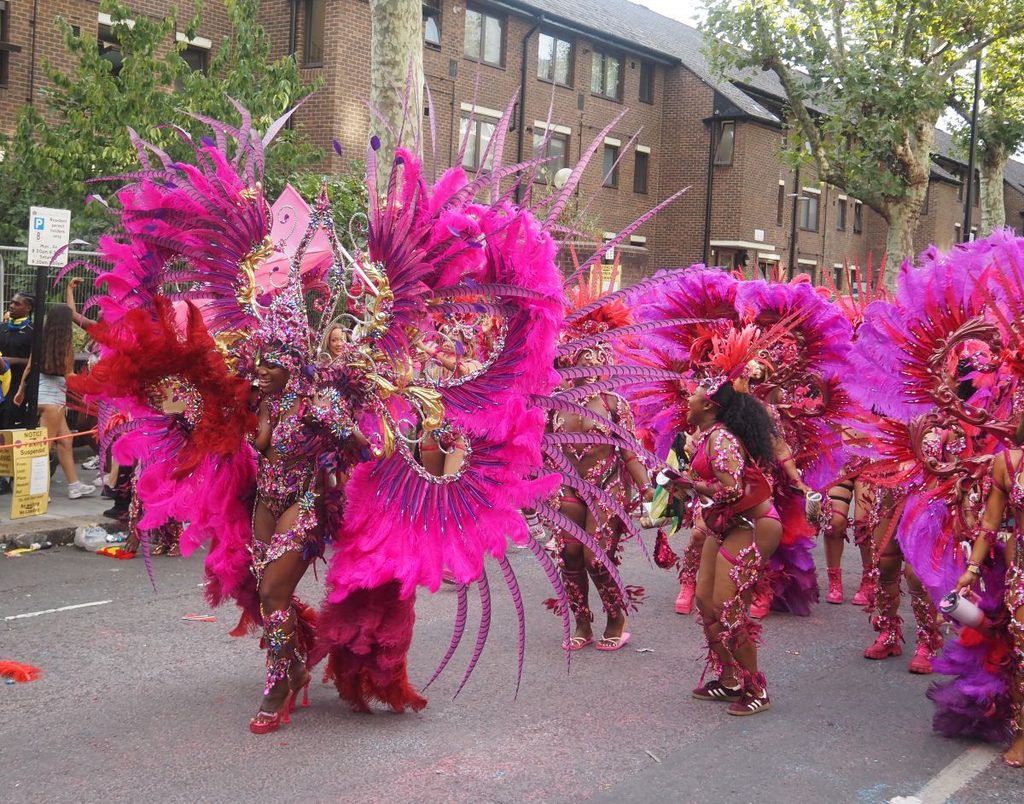
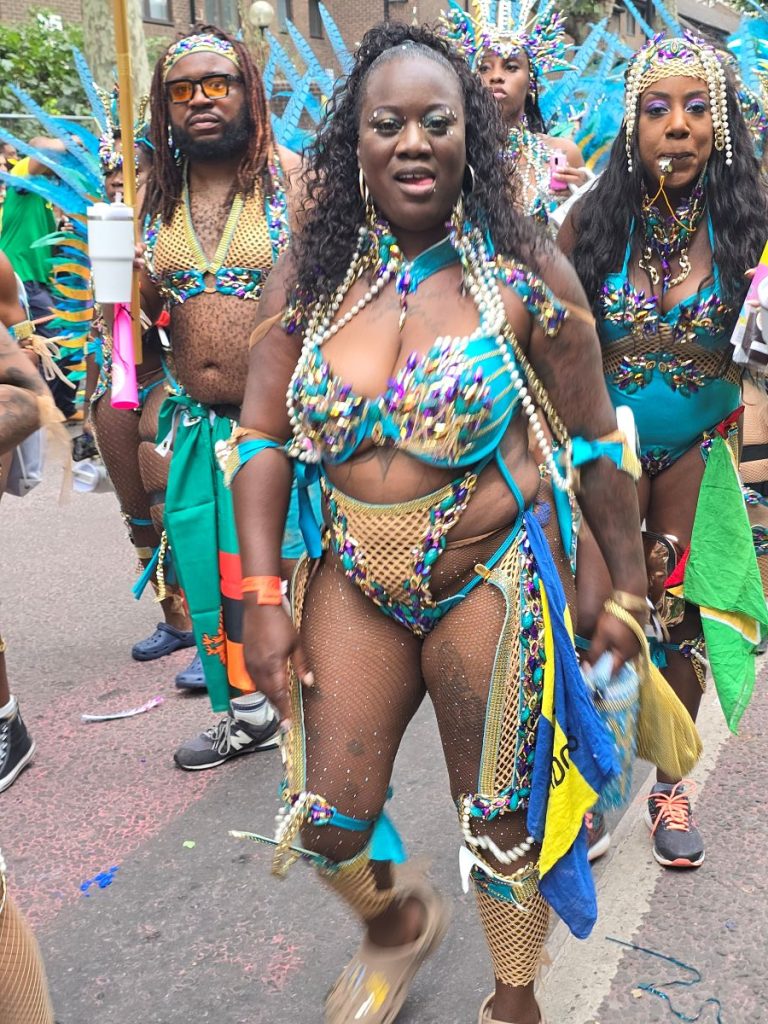
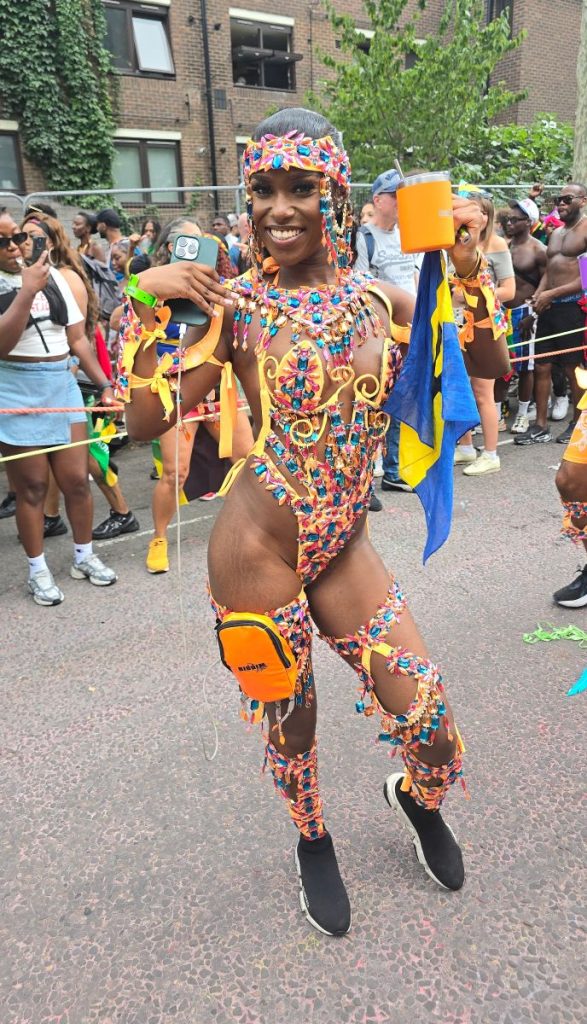
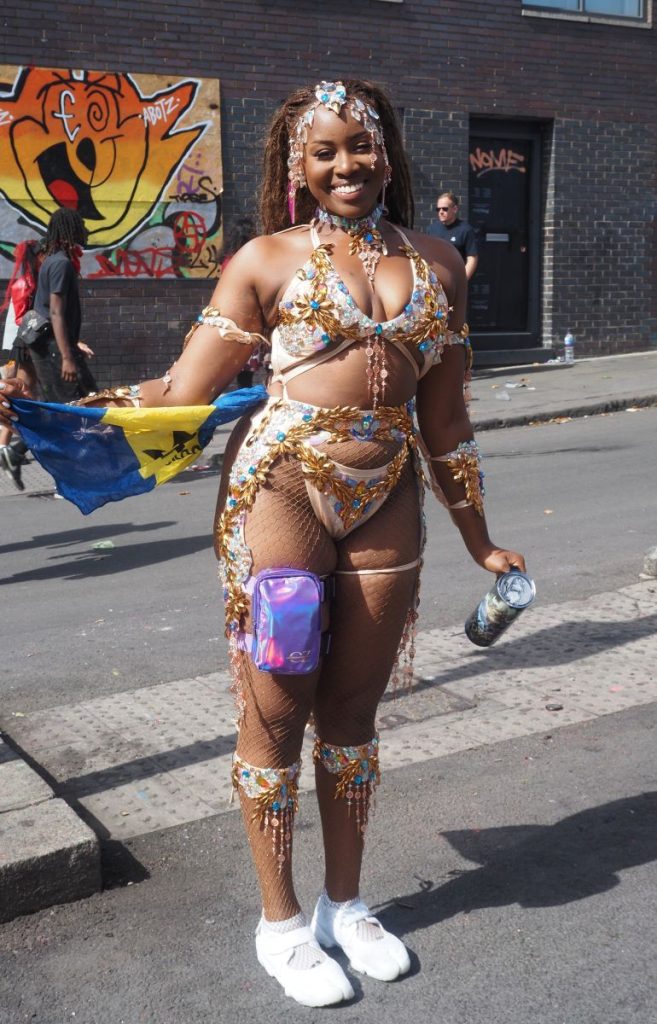
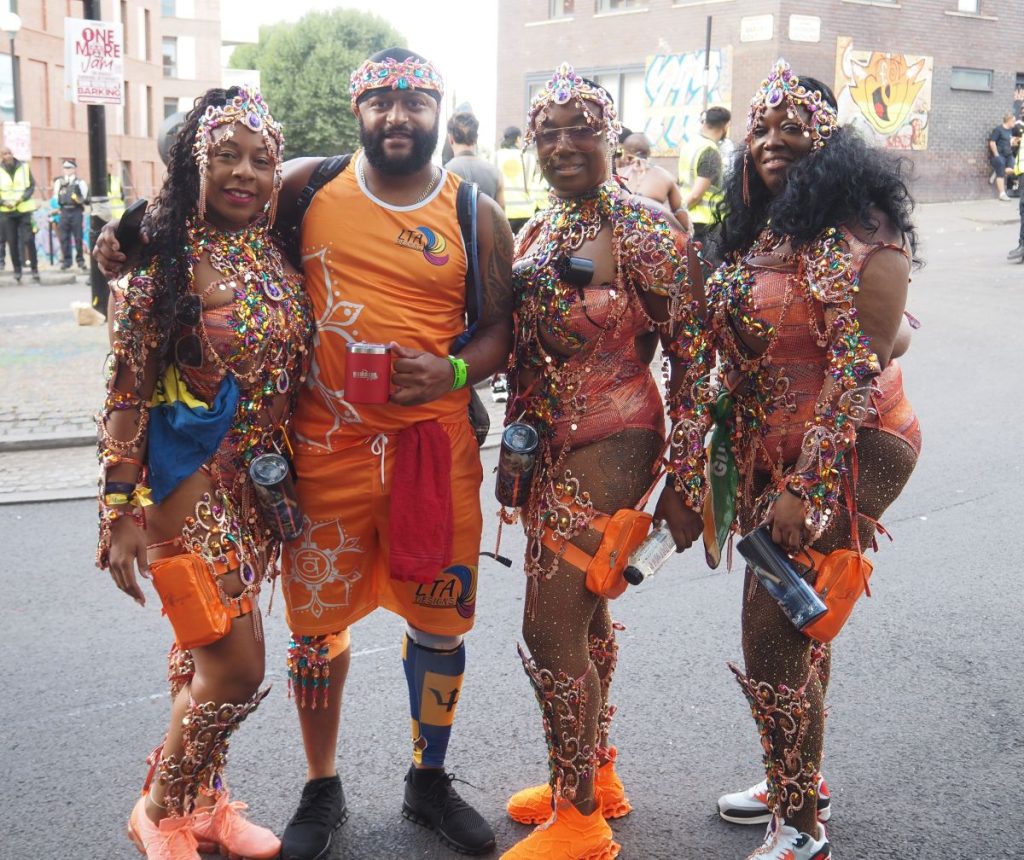
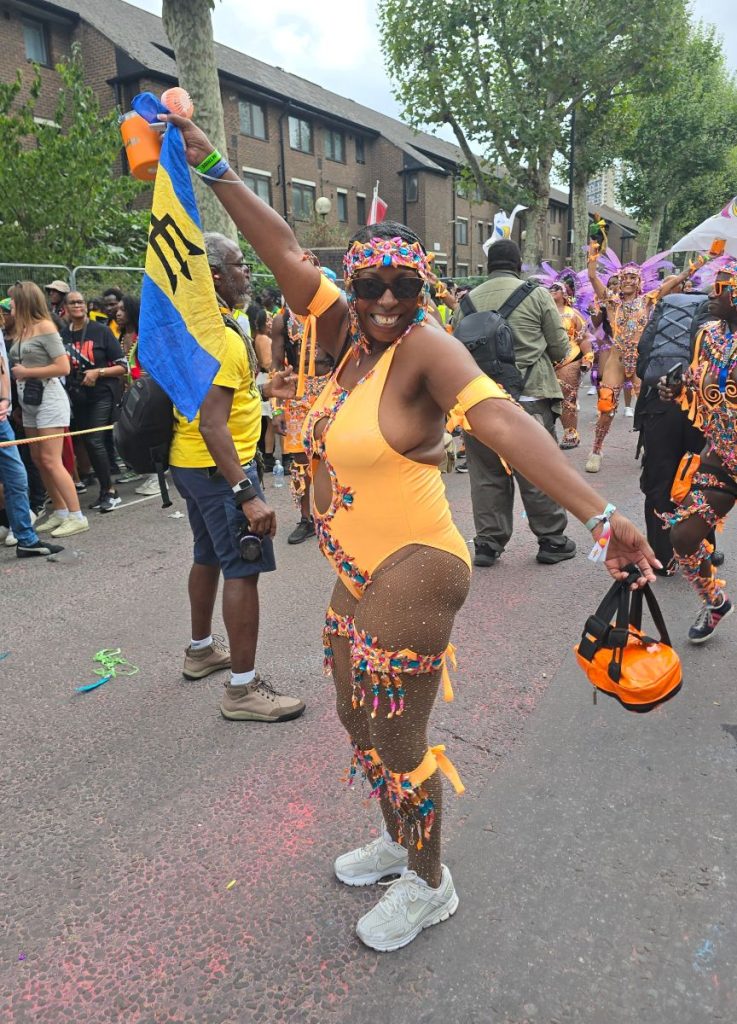
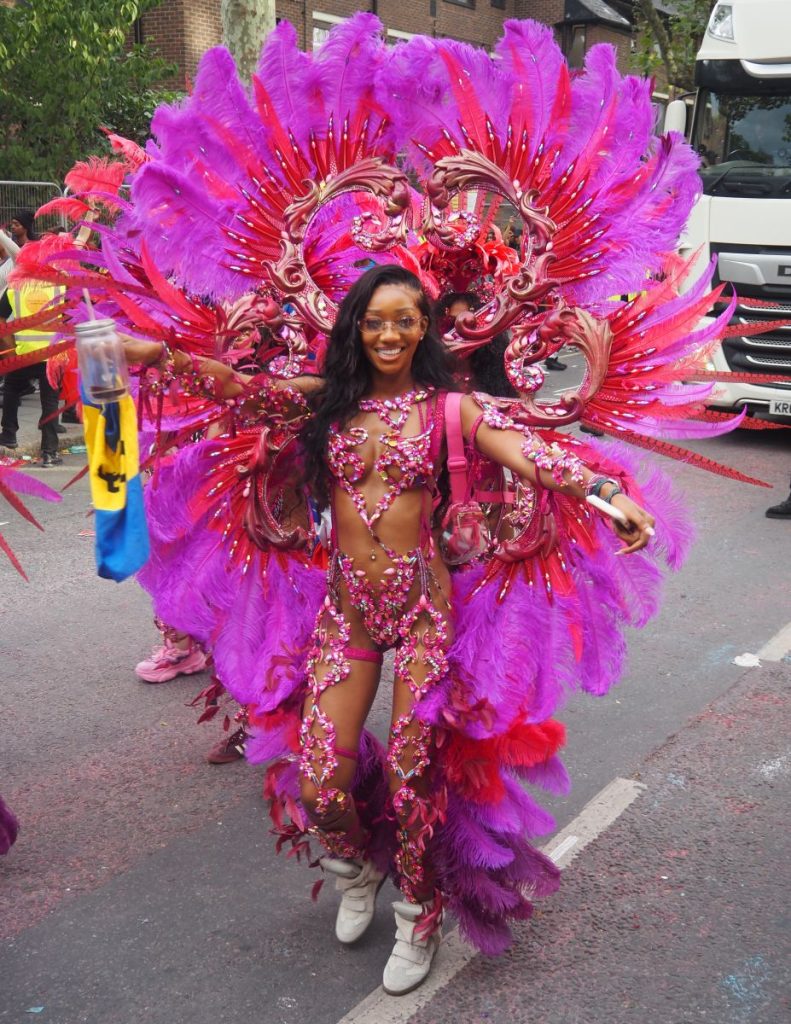
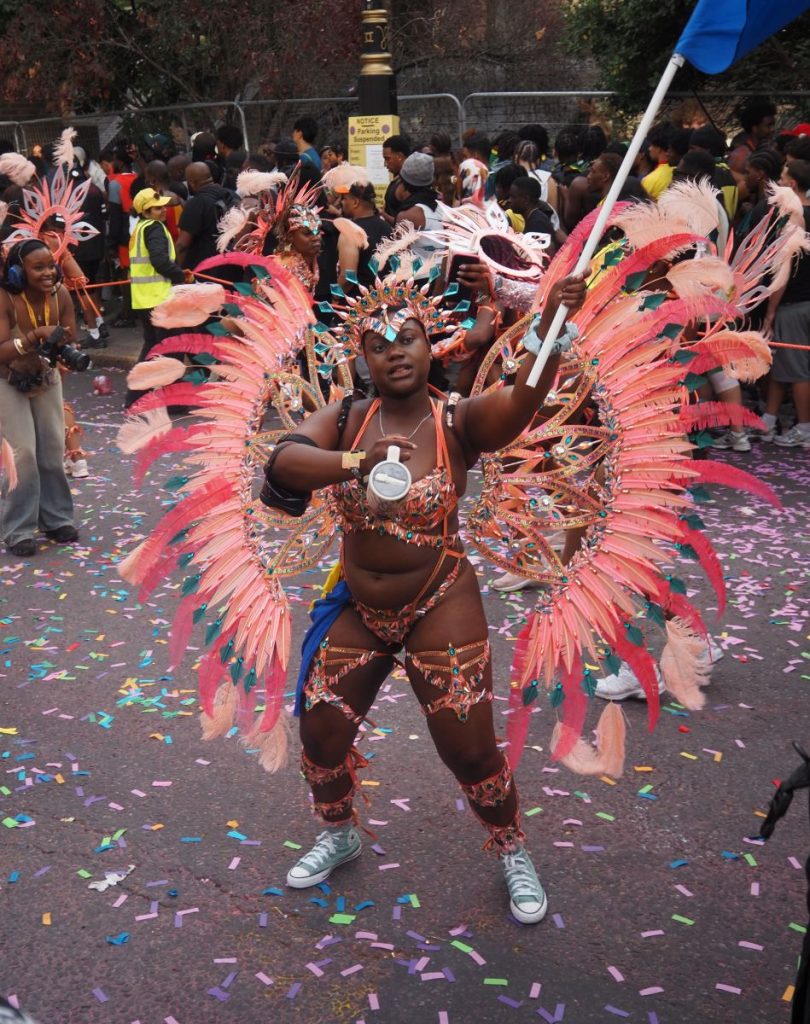
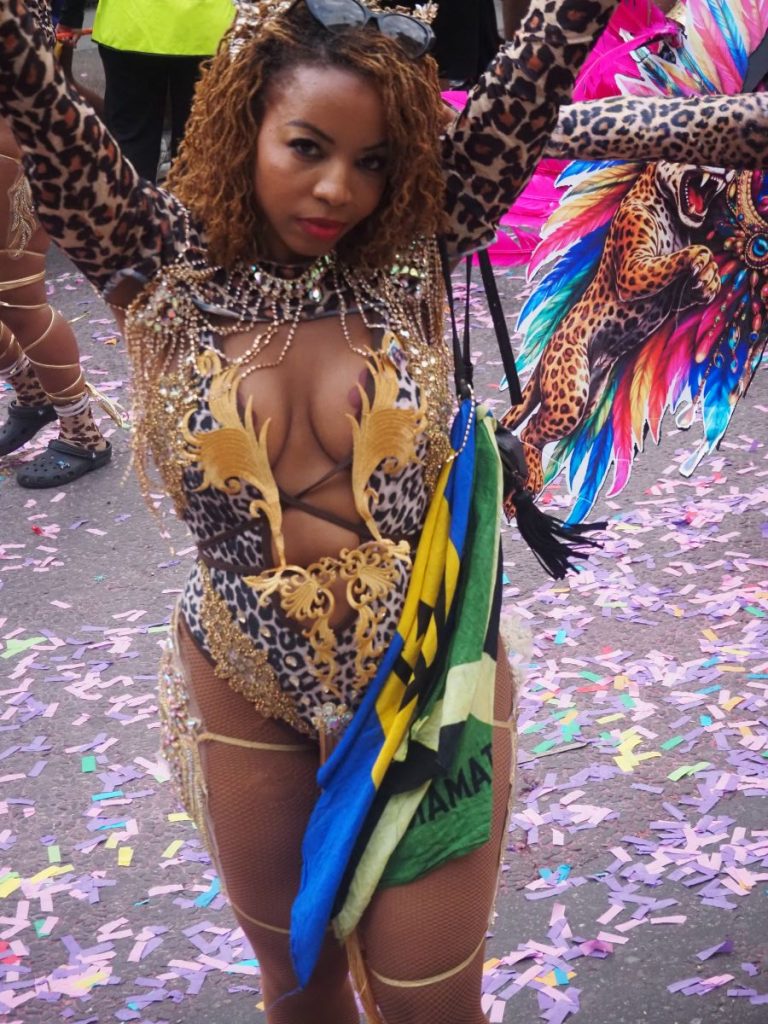
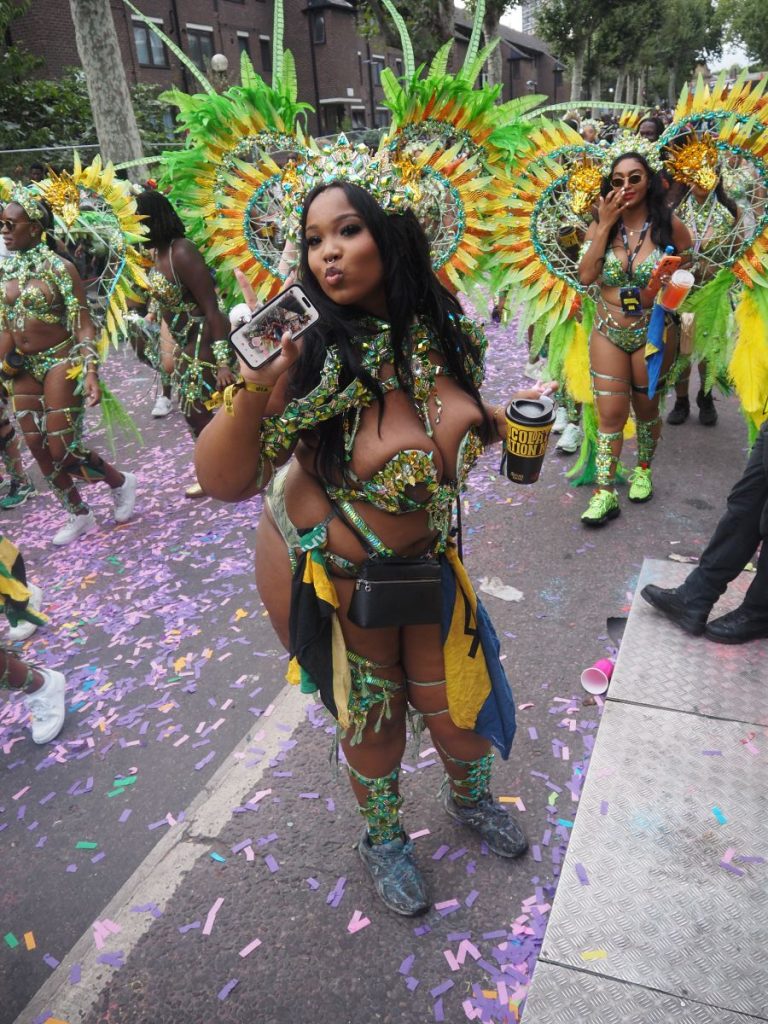
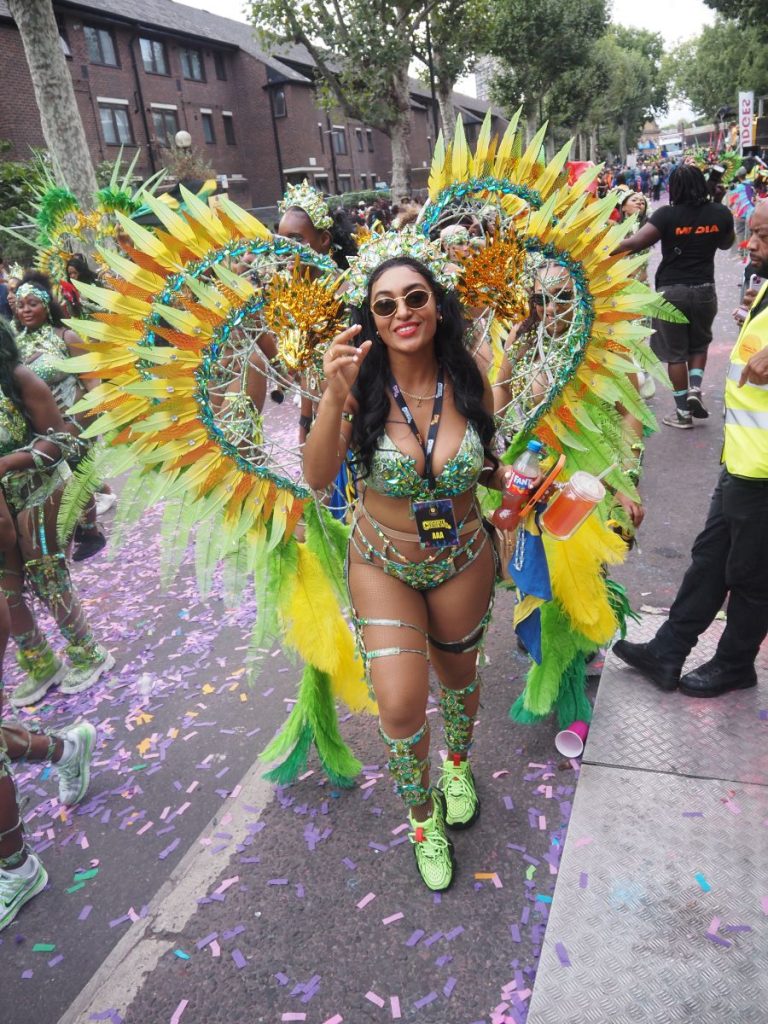
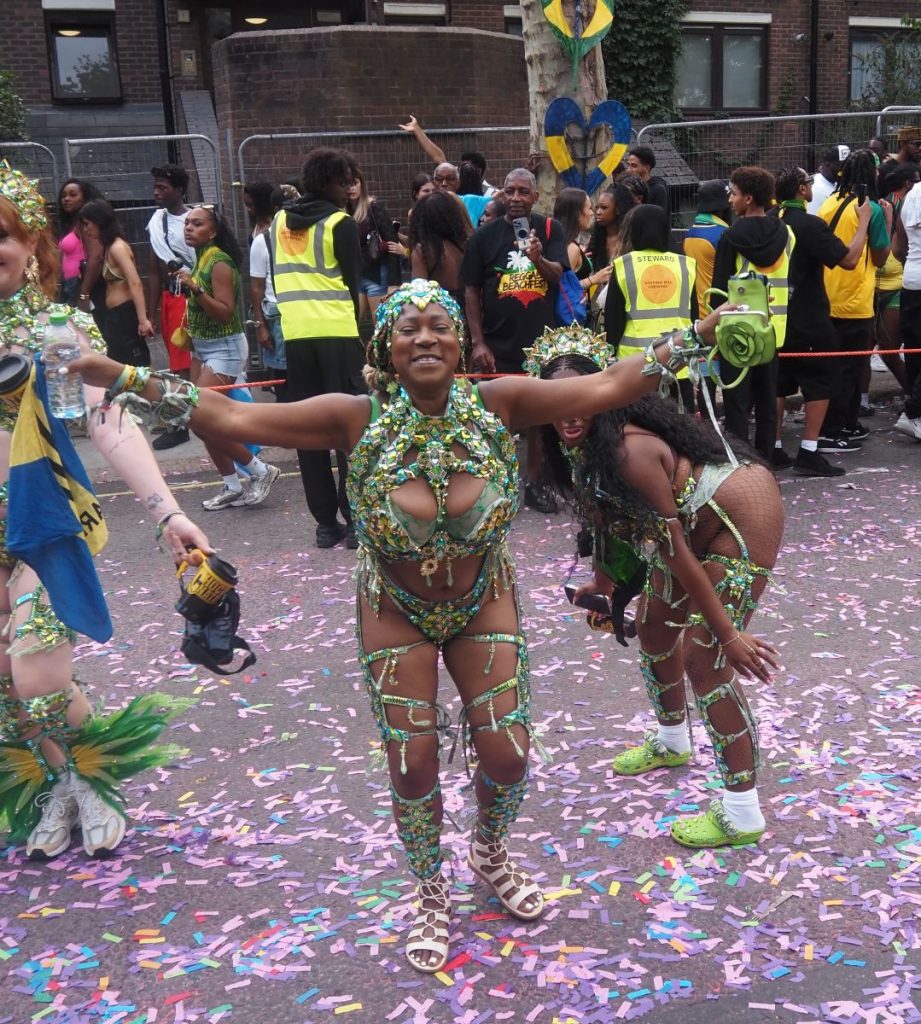
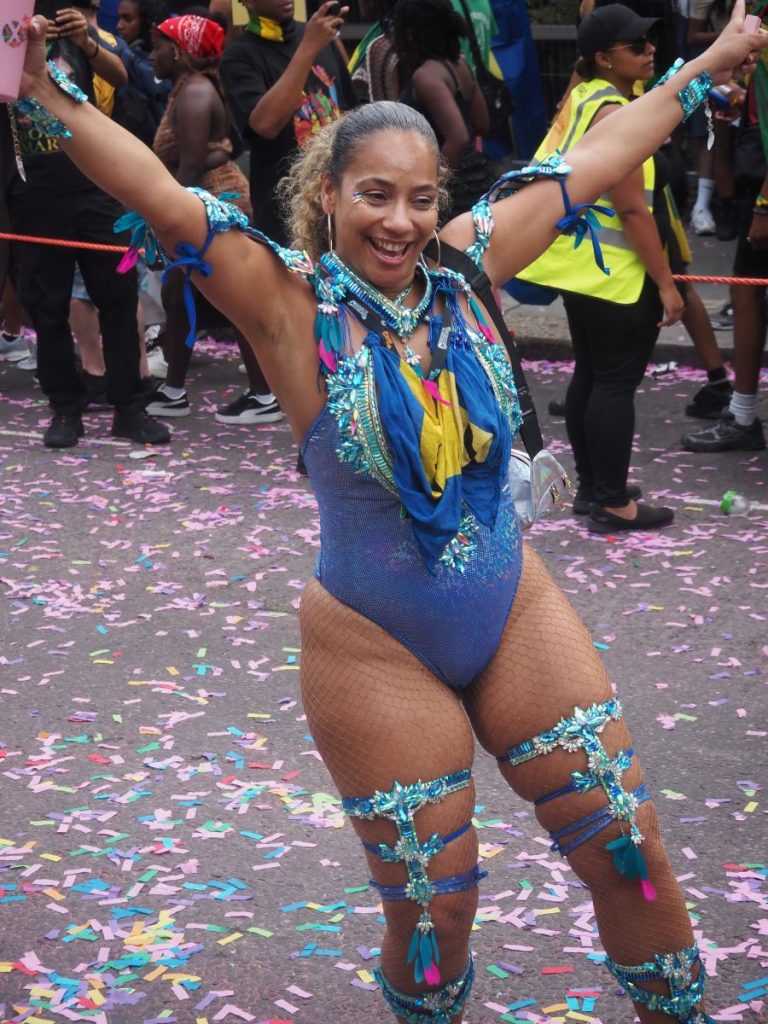
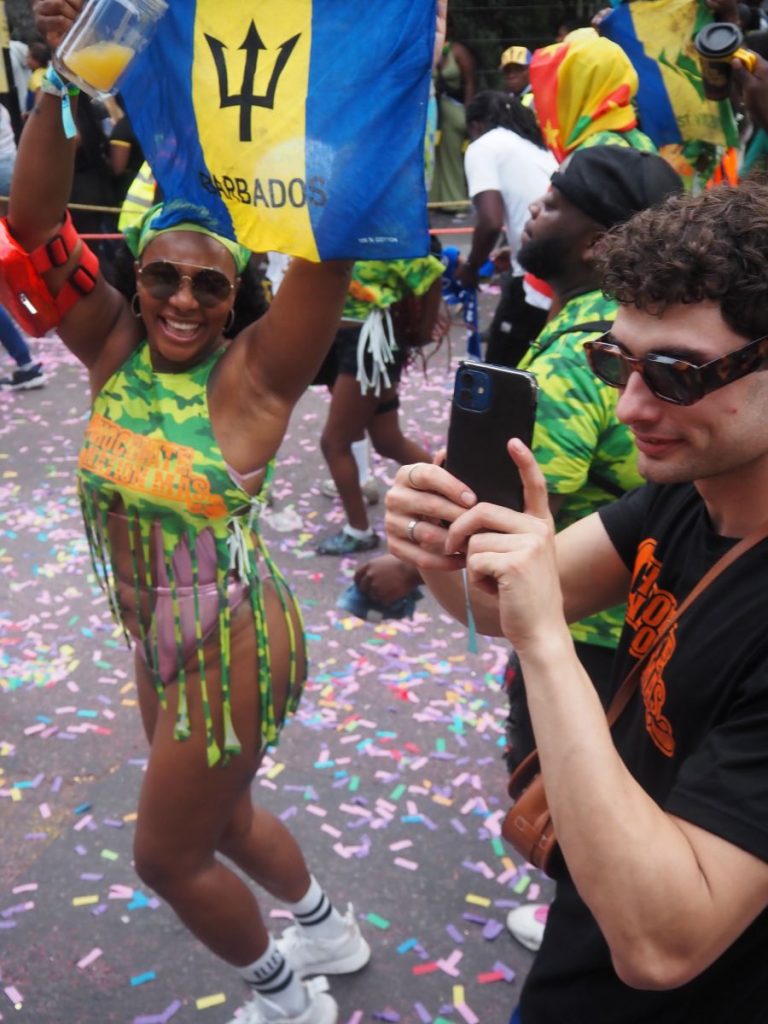
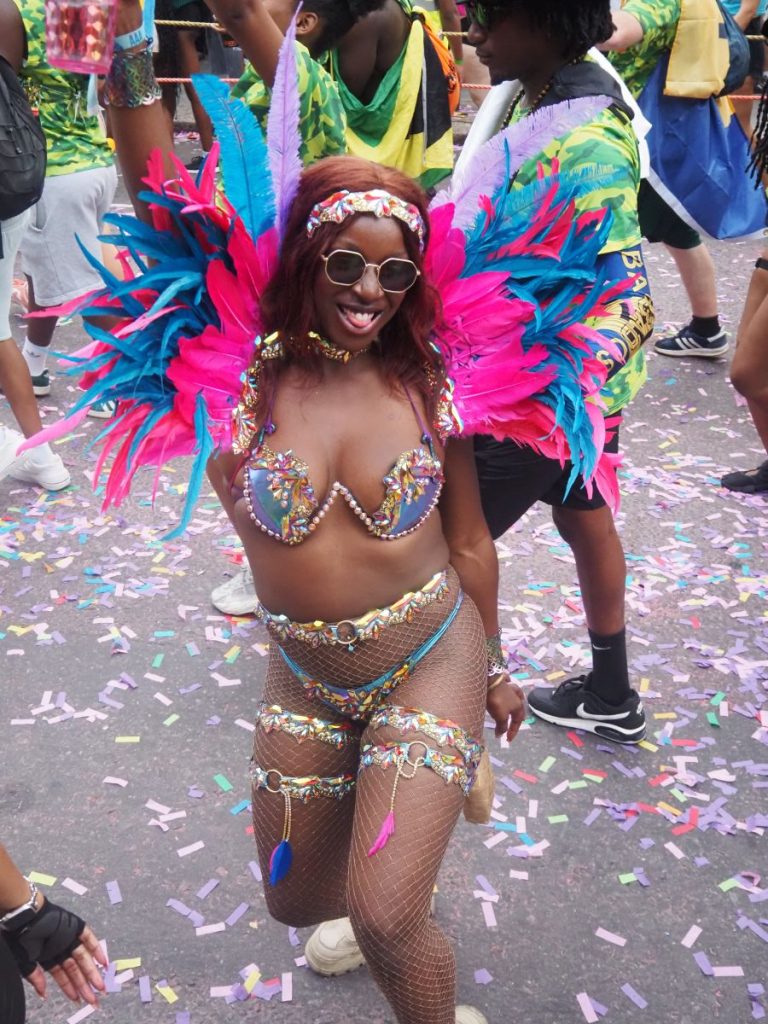
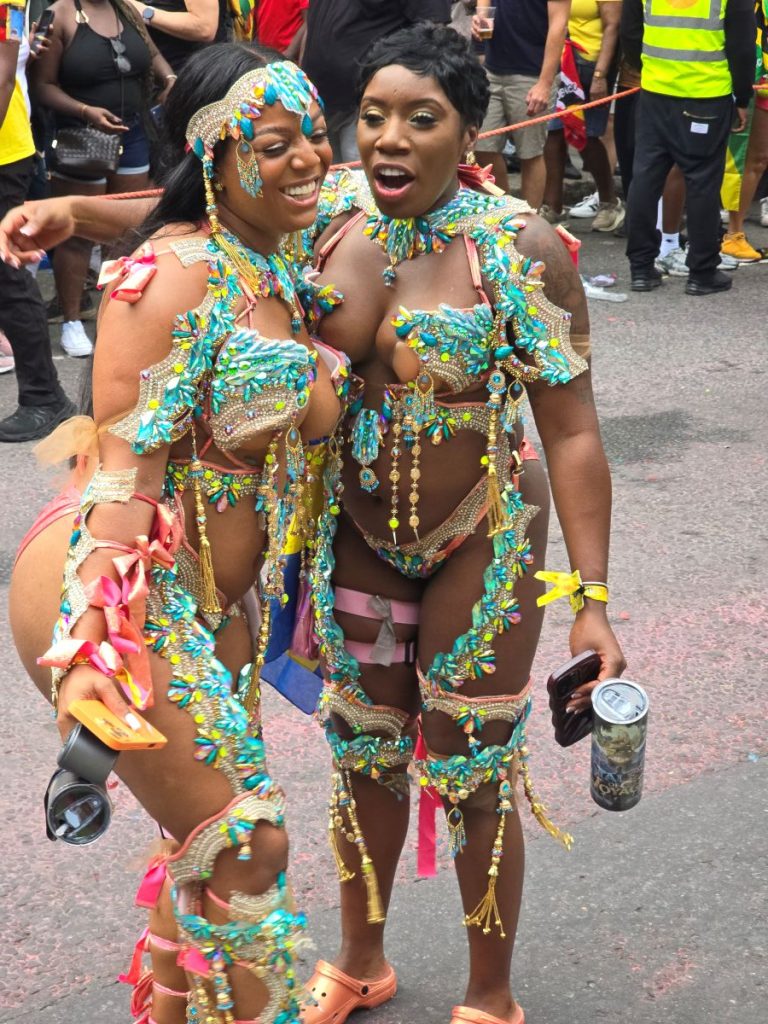
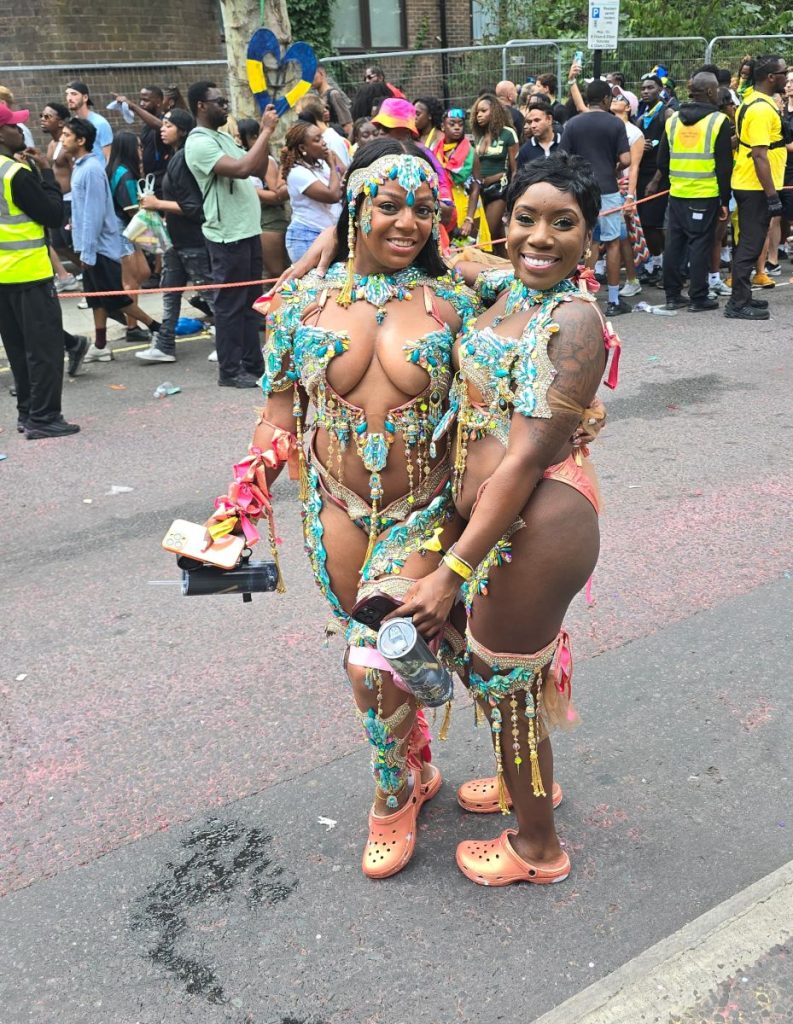
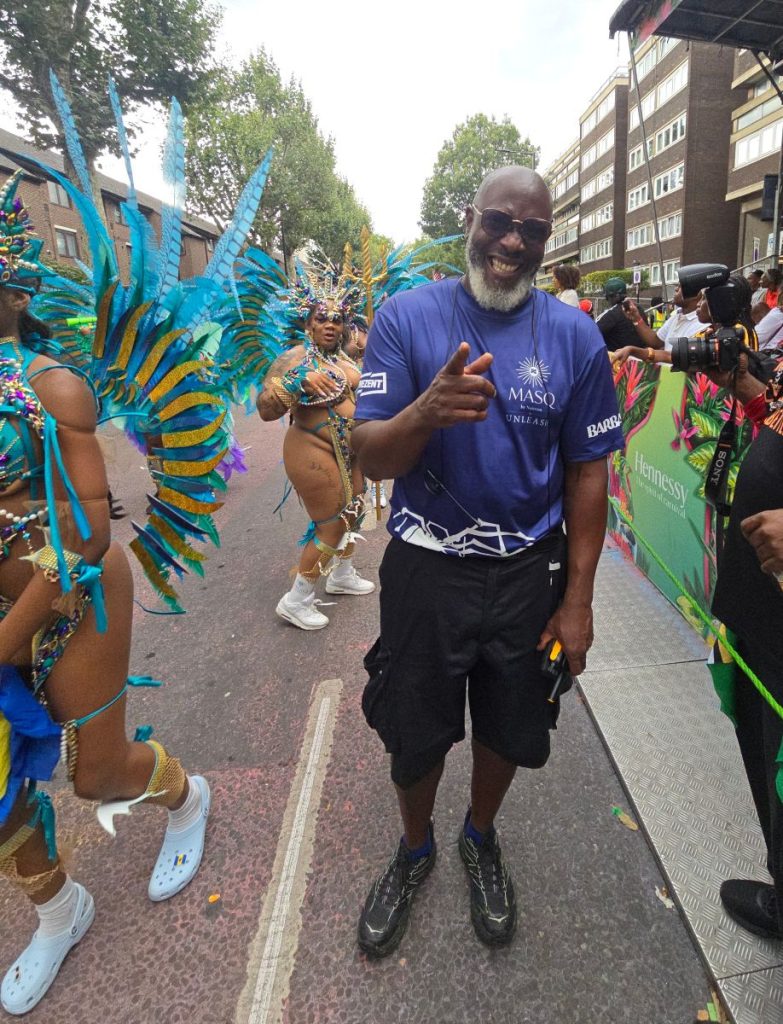
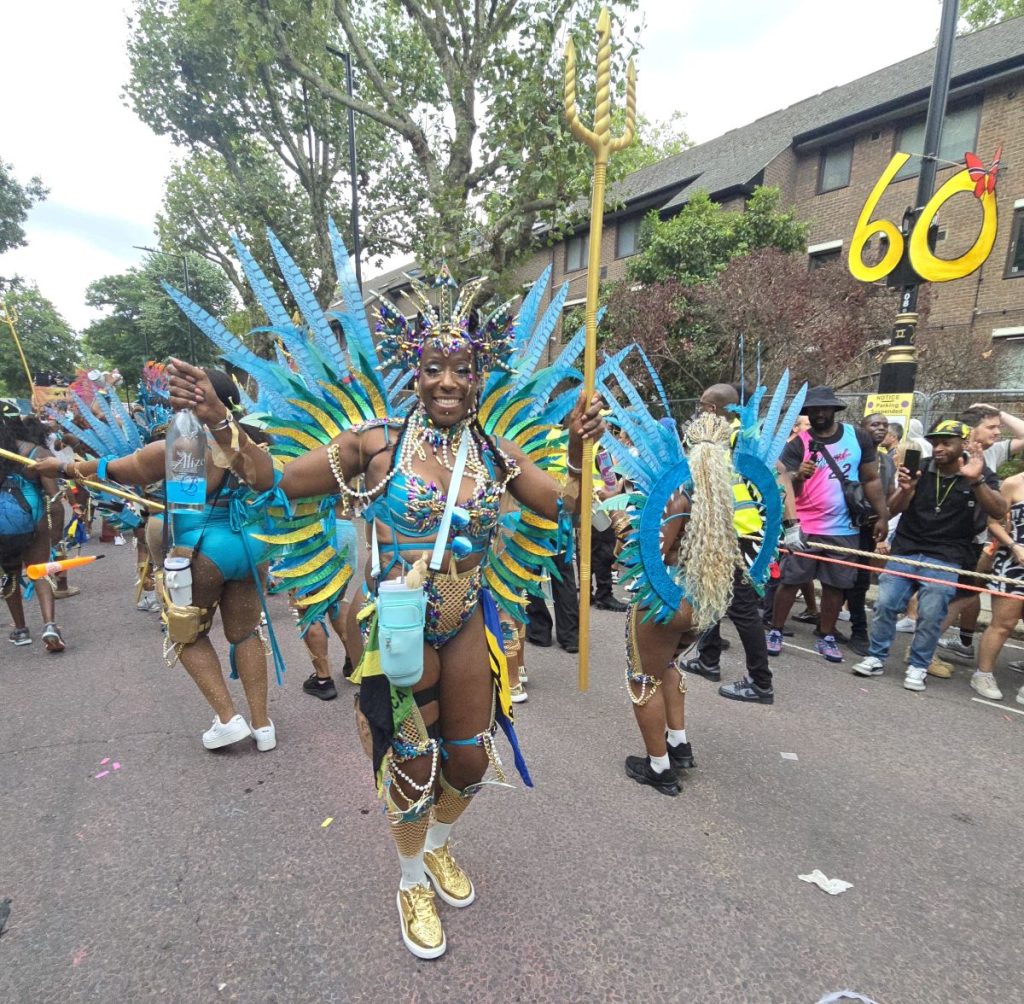
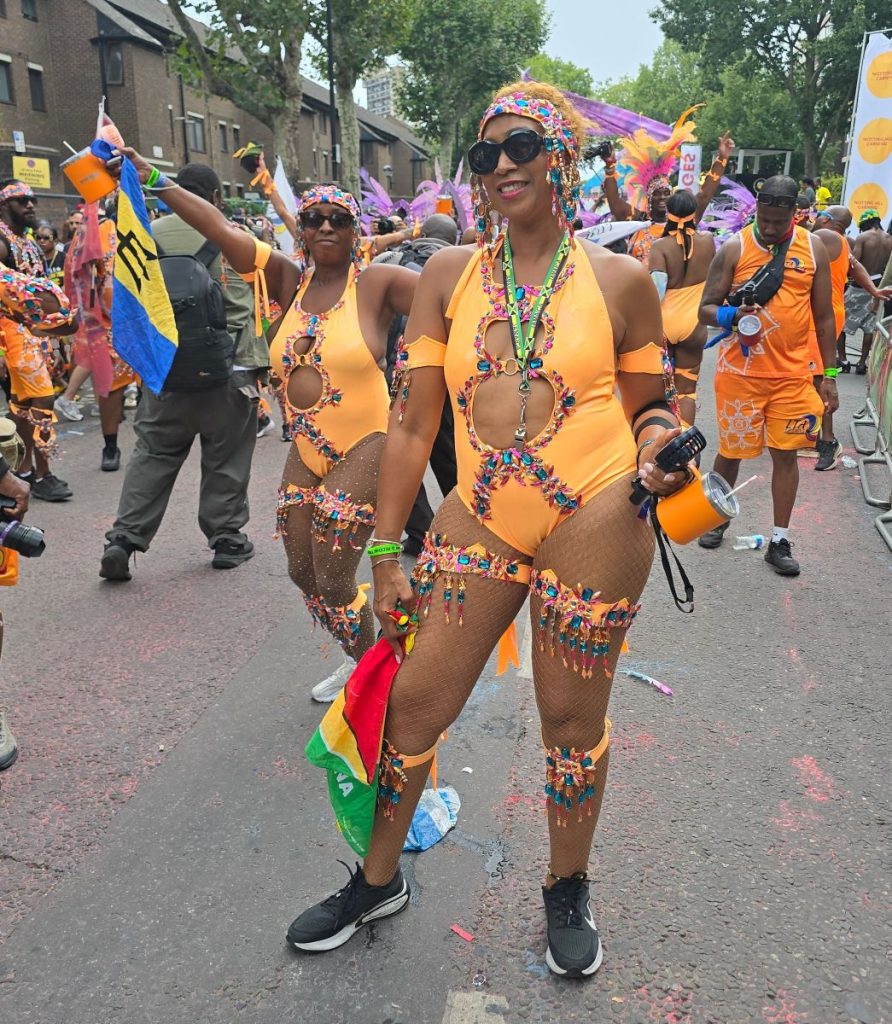
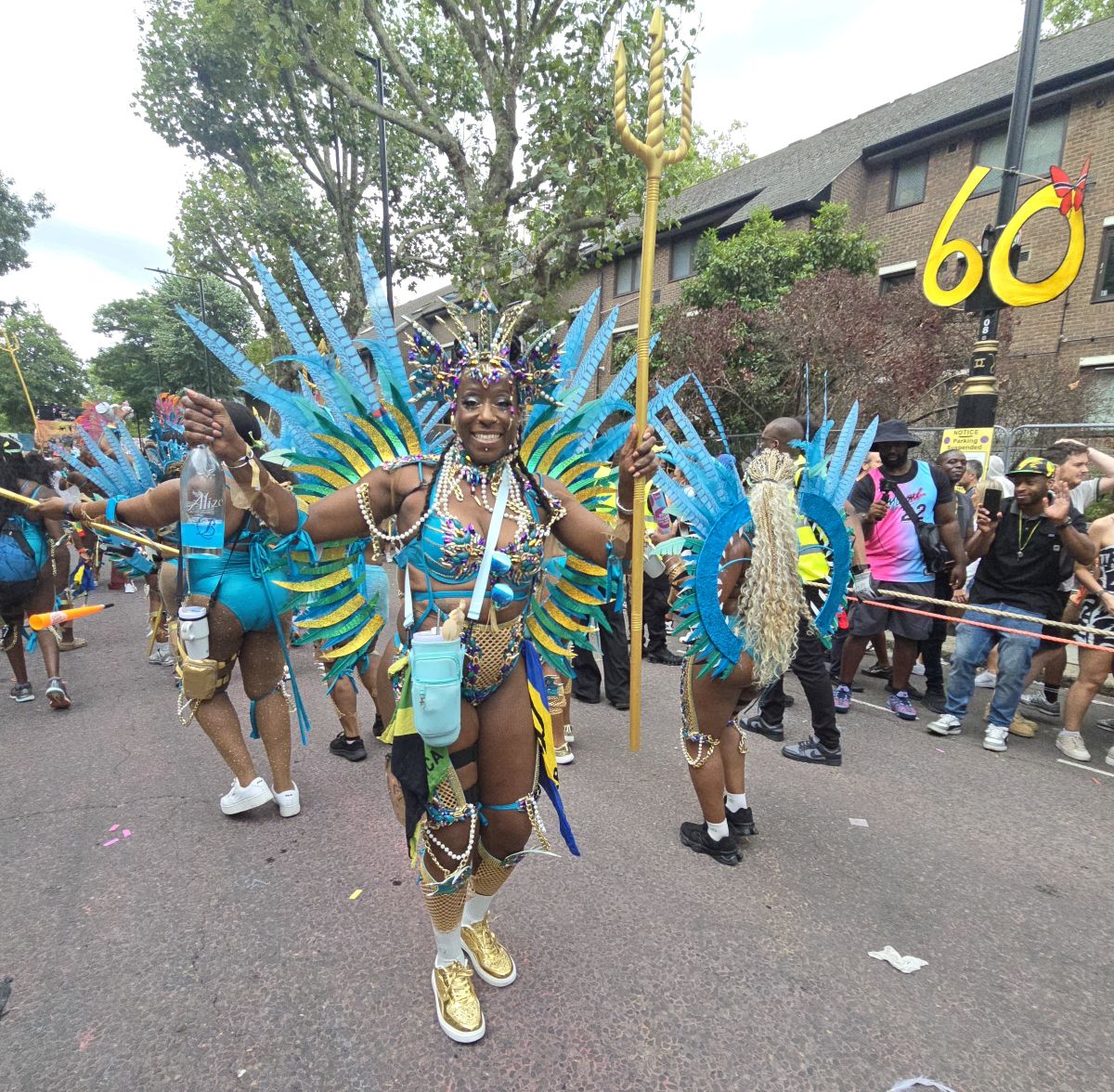
By Monday, the Adults’ Parade transformed Notting Hill into a moving gallery of feathers, beads, wire‑bent wings, and glittering crowns. Mas bands such as Island Mas, Chocolate Mas, UCOM Carnival (United Colours of Mas), Elimu, MasQ, D Riddim Tribe, Funatik Mas, and Mahogany Carnival Arts remain Carnival’s greatest draw in the UK. Their appeal lies partly in London’s distinctive blend: unlike in the Caribbean, where bands often represent specific islands, the capital’s mas scene brings Trinidadians, Bajans, Grenadians, St Lucians, Guyanese, Jamaicans, and others together through shared artistry.
More than thirty sound systems pulsed through the neighbourhood, each with its own loyal following. From the deep dub echoes of long‑established systems to the crisp Soca sets that pull crowds into spontaneous street parties, the music is the magnetic force that keeps Carnival alive.
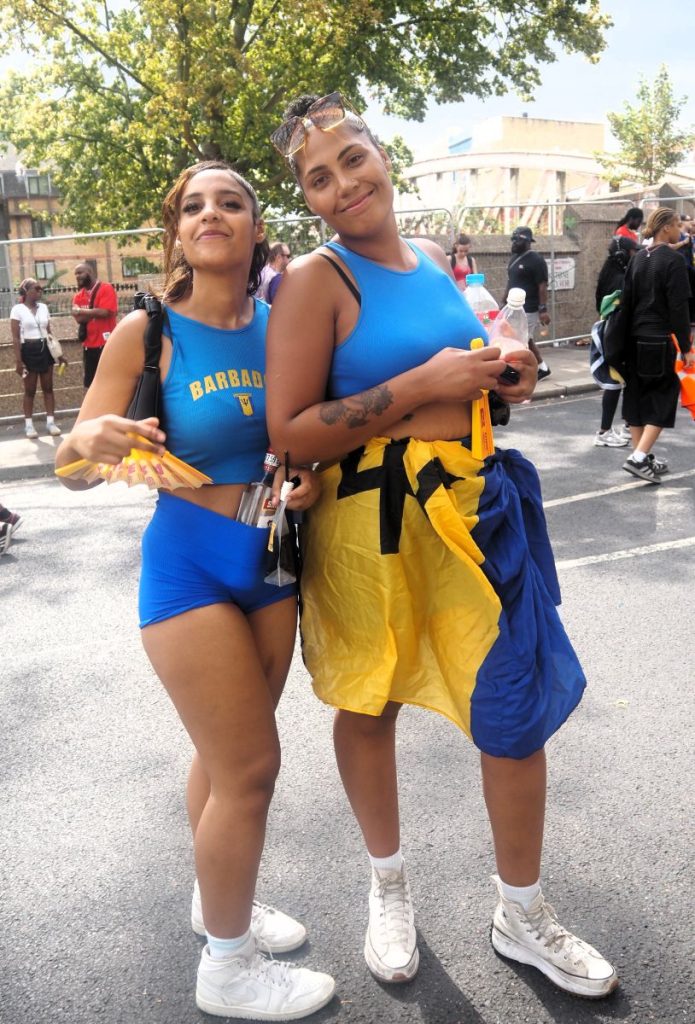
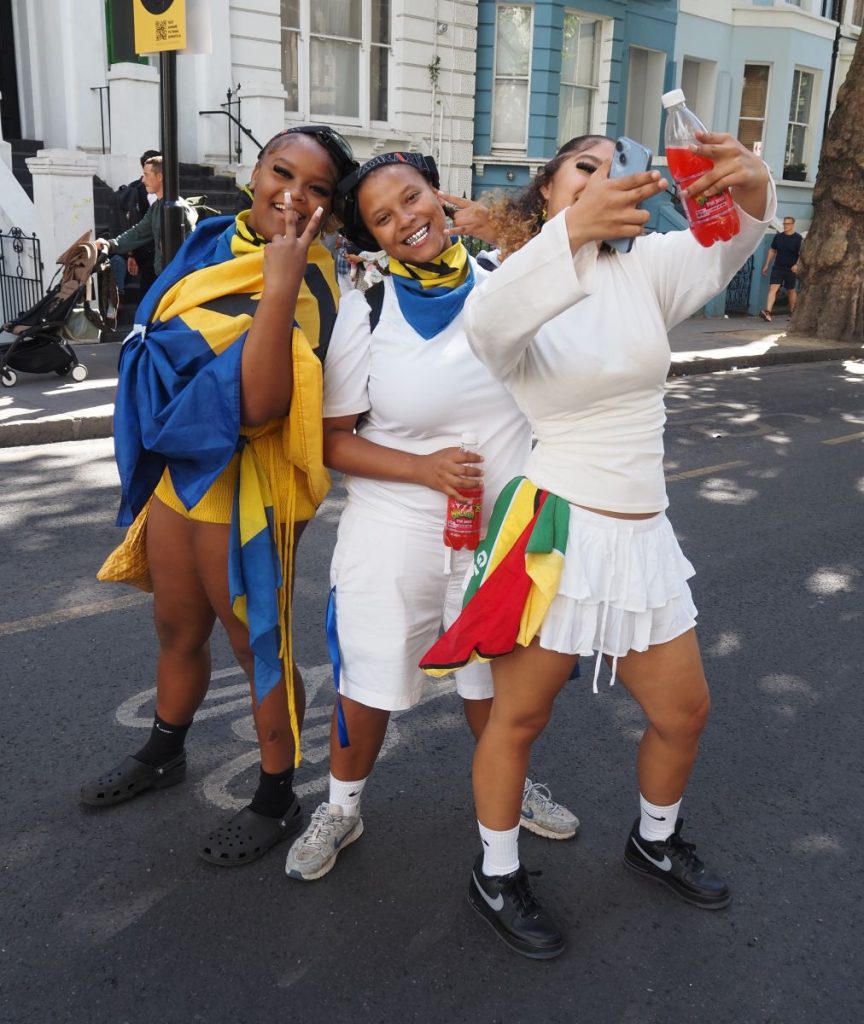
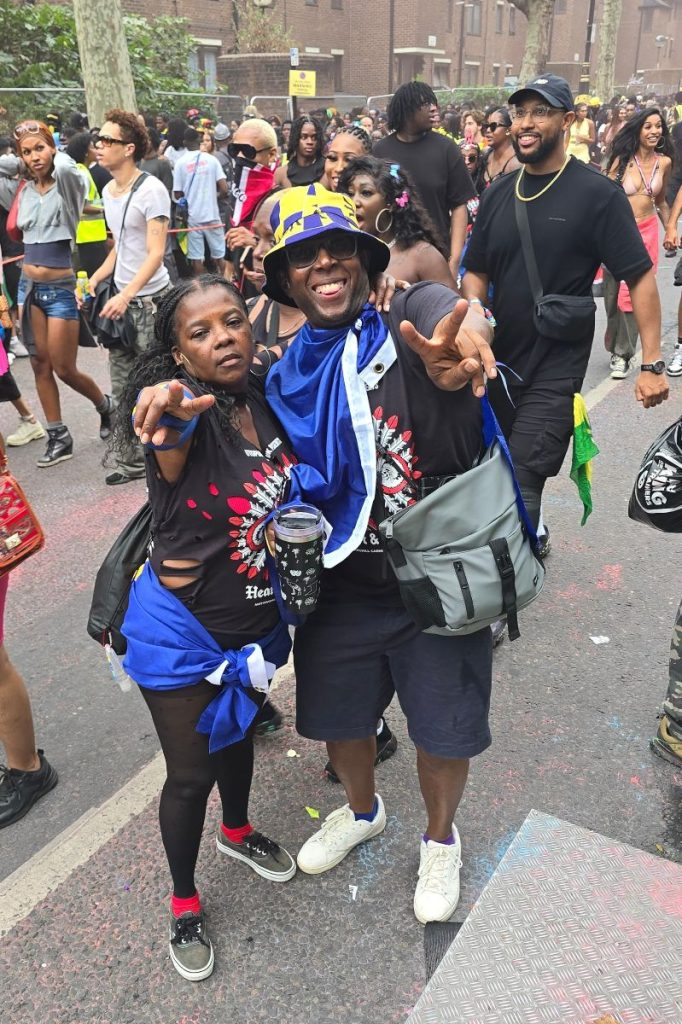
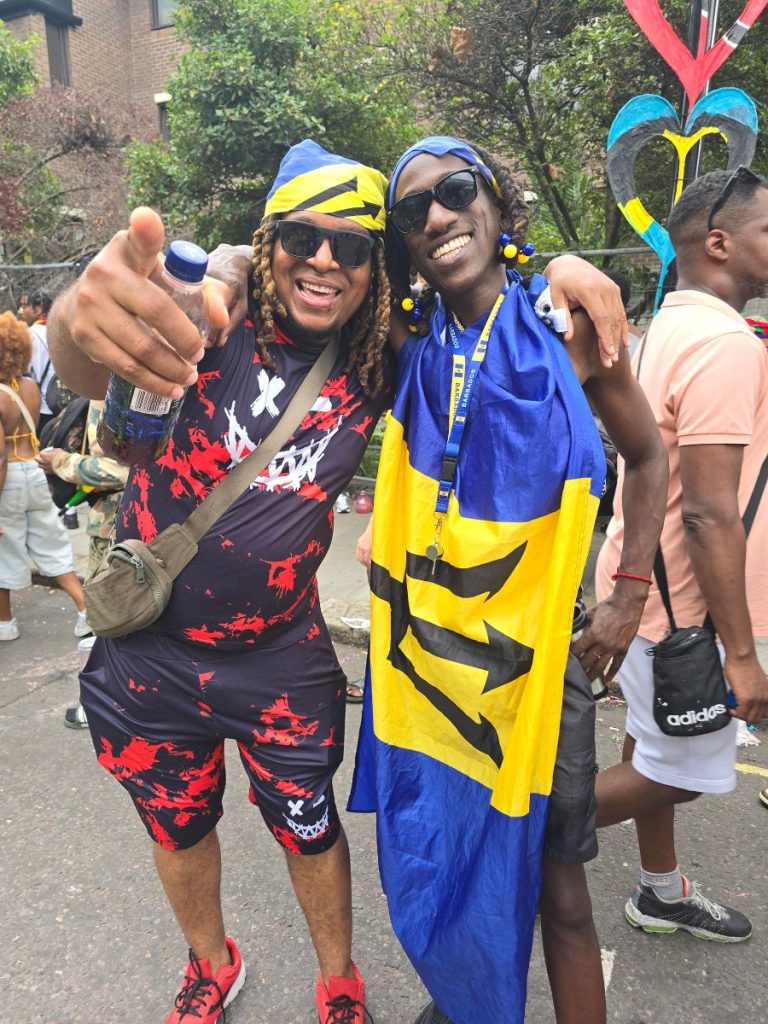
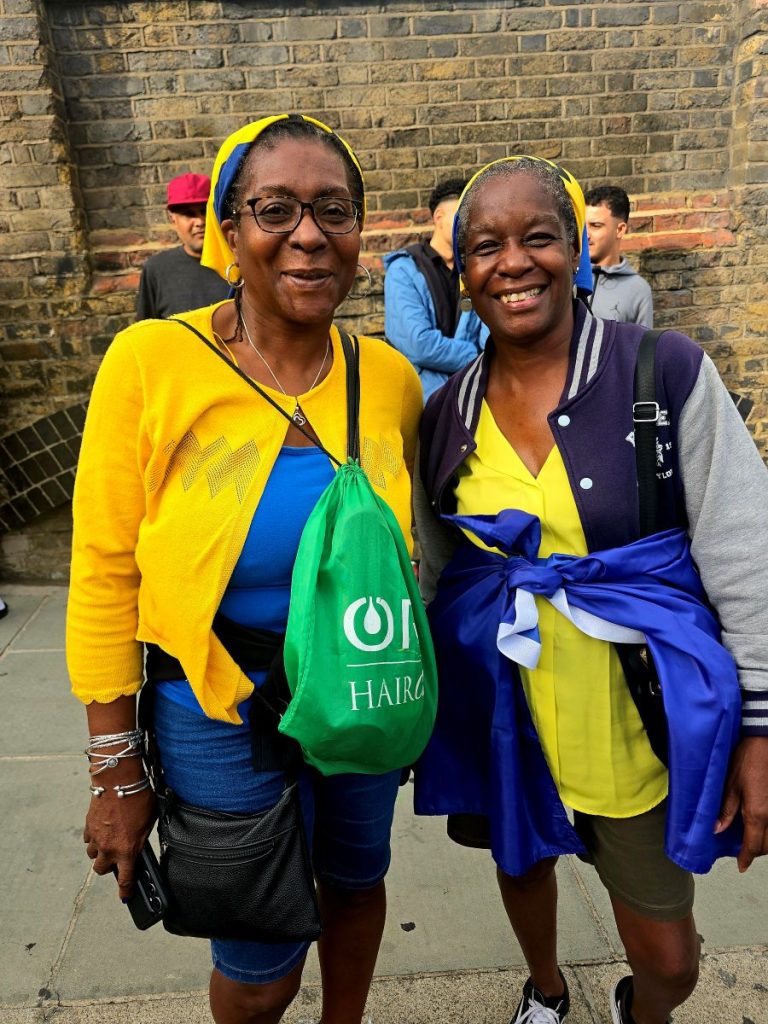
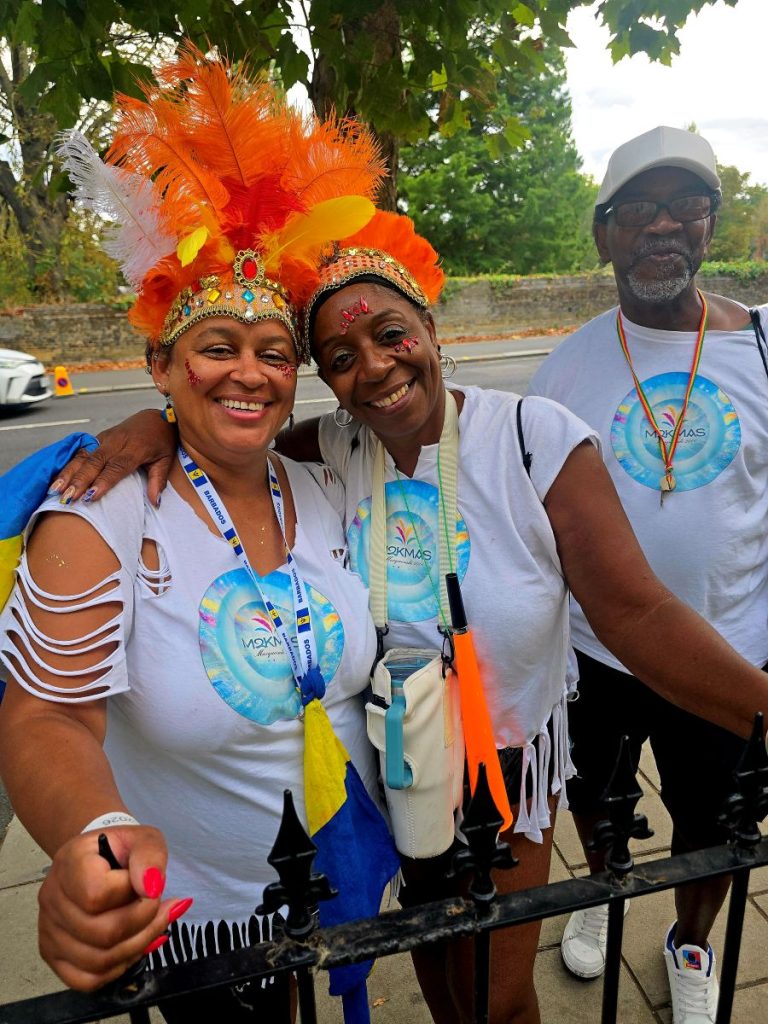
One of Carnival’s most cherished traditions is not found on any official programme. As the Adults’ Parade winds through the route, certain corners become unofficial meeting points for island communities. Trini corner. Bajan corner. Grenada corner. These are places where friends reunite, families reconnect, and strangers become kin. People lime, they pause, laugh, share food, swap stories, and soak in the atmosphere. It is a reminder that Carnival is as much about community as it is about spectacle.
Carnival is a great leveller, and it is no surprise to see stars of stage and screen along the route and in the VIP arena. Many are unaware of the enormous cost of this festival, even though the London borough of Kensington and Chelsea and the Mayor of London support it; the budget goes to logistics. None is paid to the people who make carnival what it is. The mas’ bands, the steel pans. The Calypsonians get performance fees. Despite generating profits for London businesses, the event still struggles for funding.
While any major event requires a policing operation, organisers and attendees were clear: Carnival’s story is not defined by statistics. It is defined by the millions who come to celebrate Caribbean culture, the families who make it an annual tradition, the performers who spend months crafting costumes, and the volunteers who keep Carnival’s spirit alive.
The Metropolitan Police described the atmosphere as “overwhelmingly positive and celebratory,” and community leaders emphasised that the weekend’s true legacy lies in its creativity, unity, and cultural pride.
Despite police describing the overall atmosphere as positive, the policing operation was enormous. The Metropolitan Police has now confirmed a final total of 636 arrests connected with the 2026 Carnival policing operation. Of these, police made 242 arrests on Sunday and 394 on Monday.
Notting Hill Carnival has endured six decades of social change, political debate, and questions about its future. Yet every year, the same magic returns: Carnival at 60 is not just a festival; it is a living archive of Caribbean resilience, artistry, and joy. It is London at its most vibrant, and it remains a celebration of the communities who built it, sustained it, and continue to make it special to the masses, especially the young.