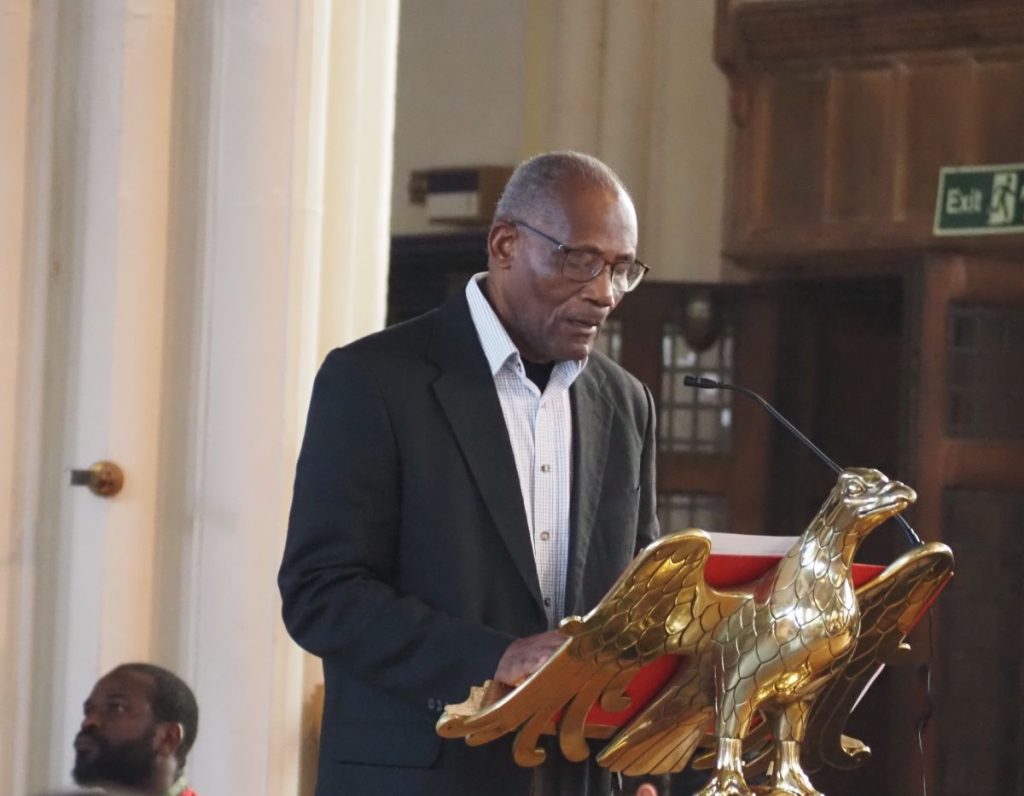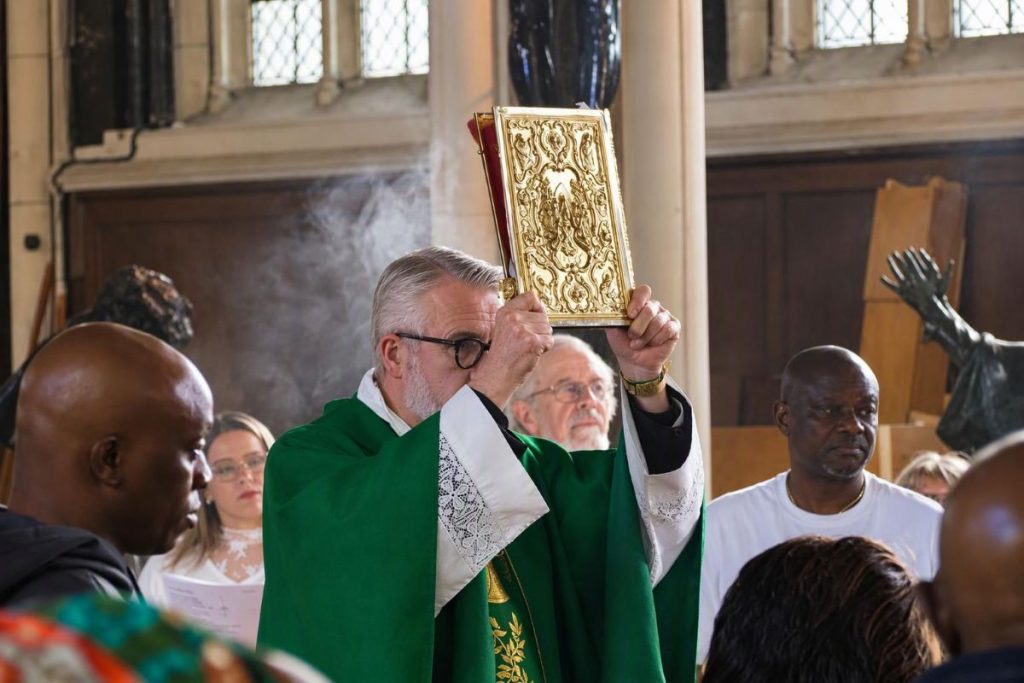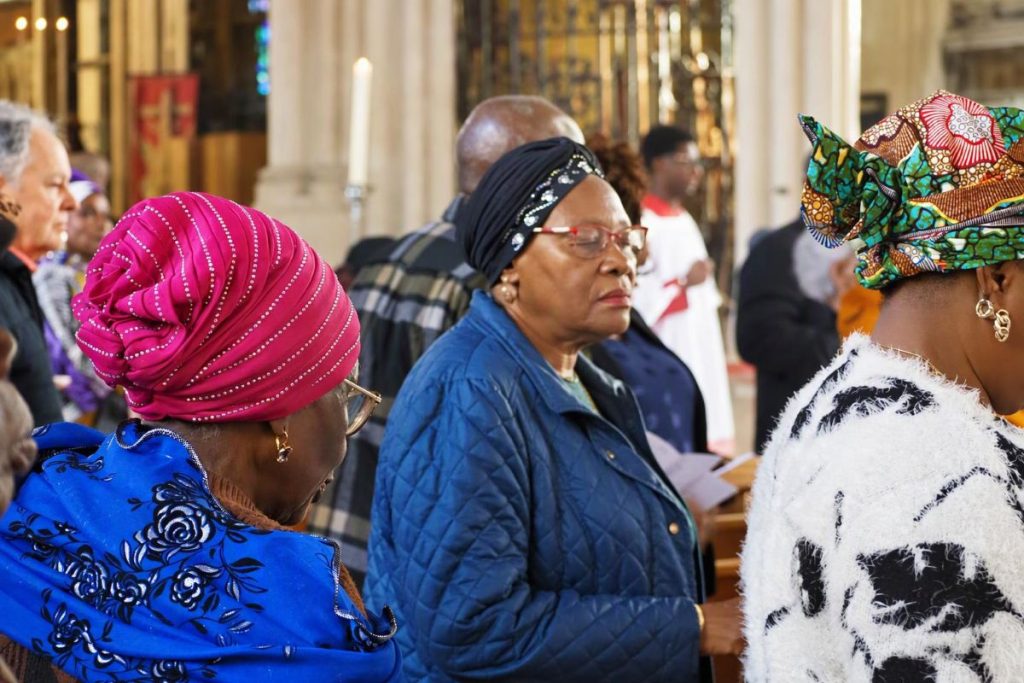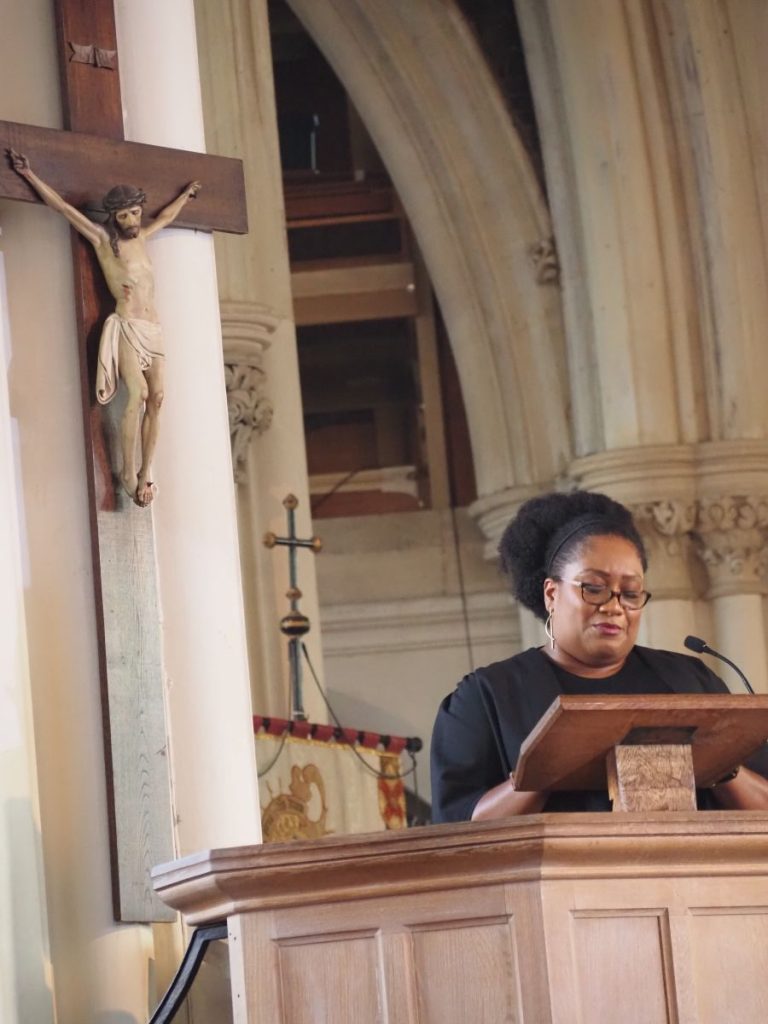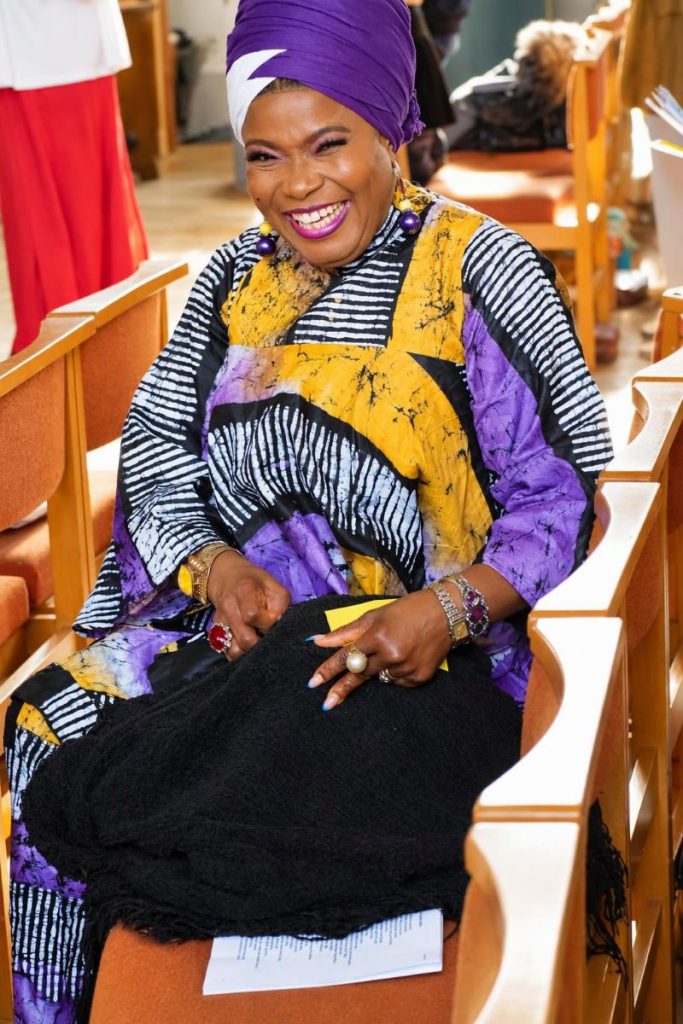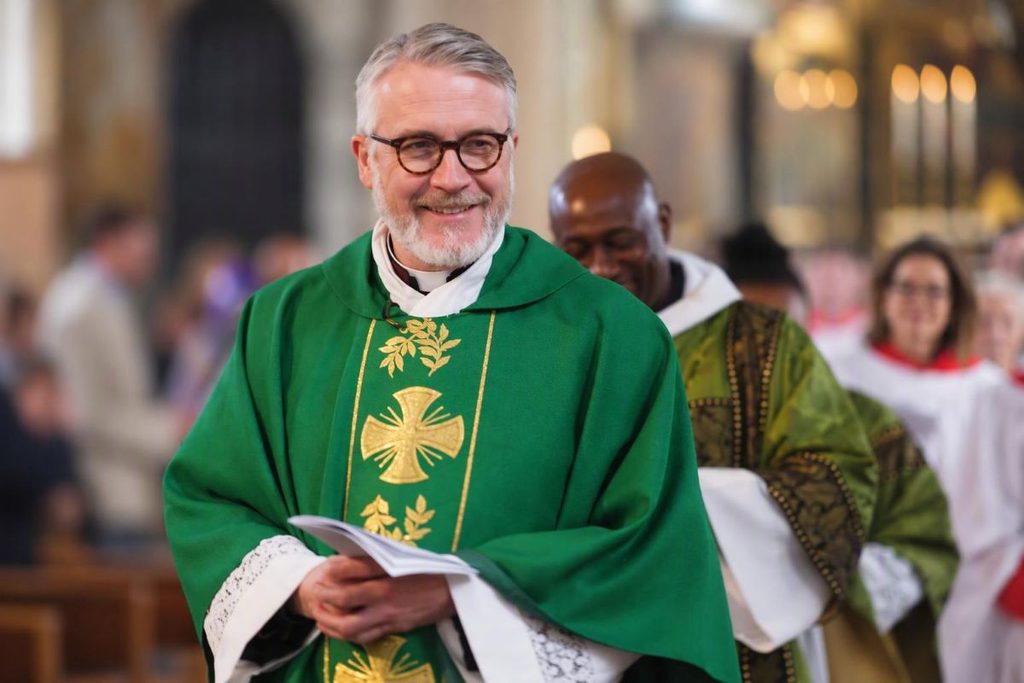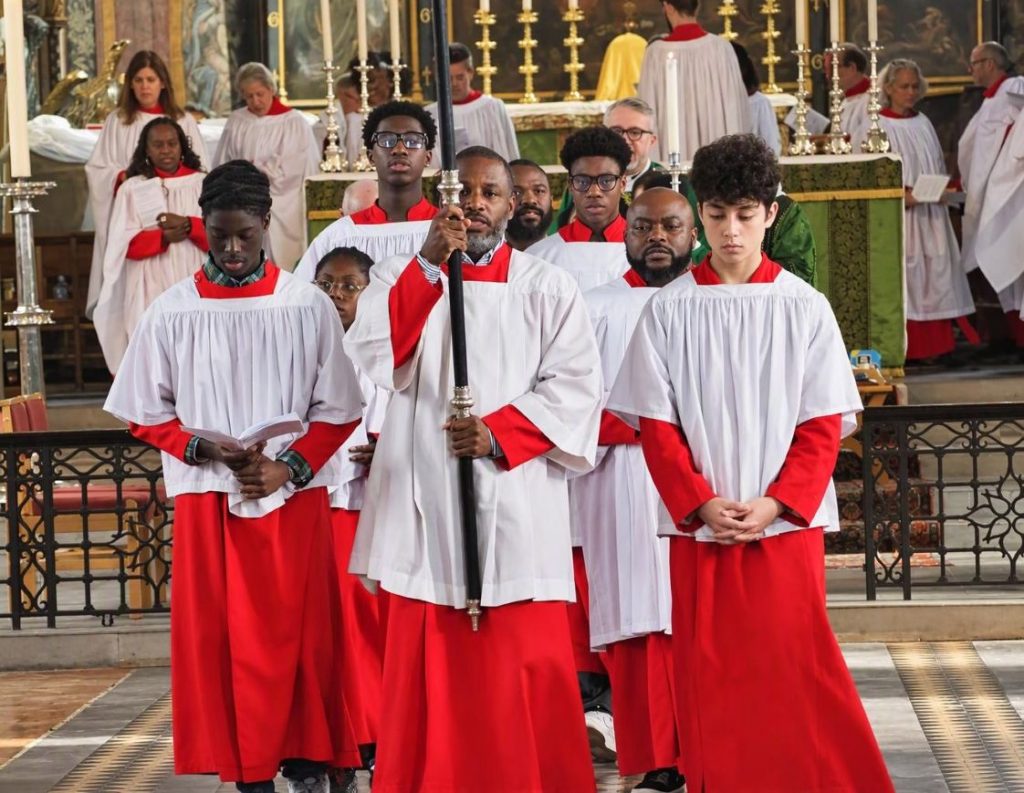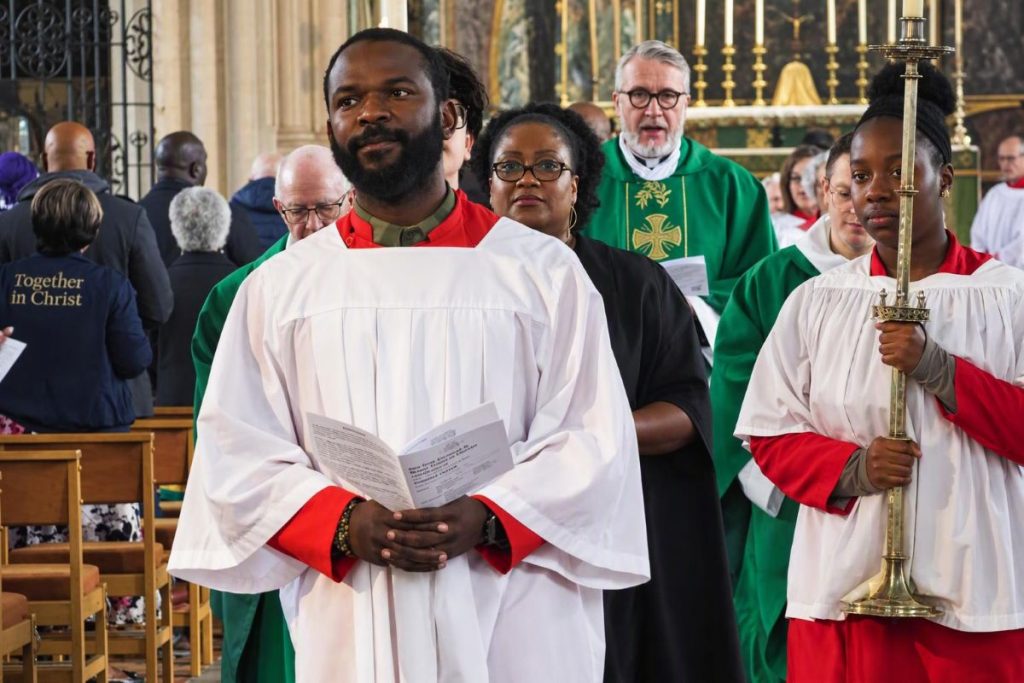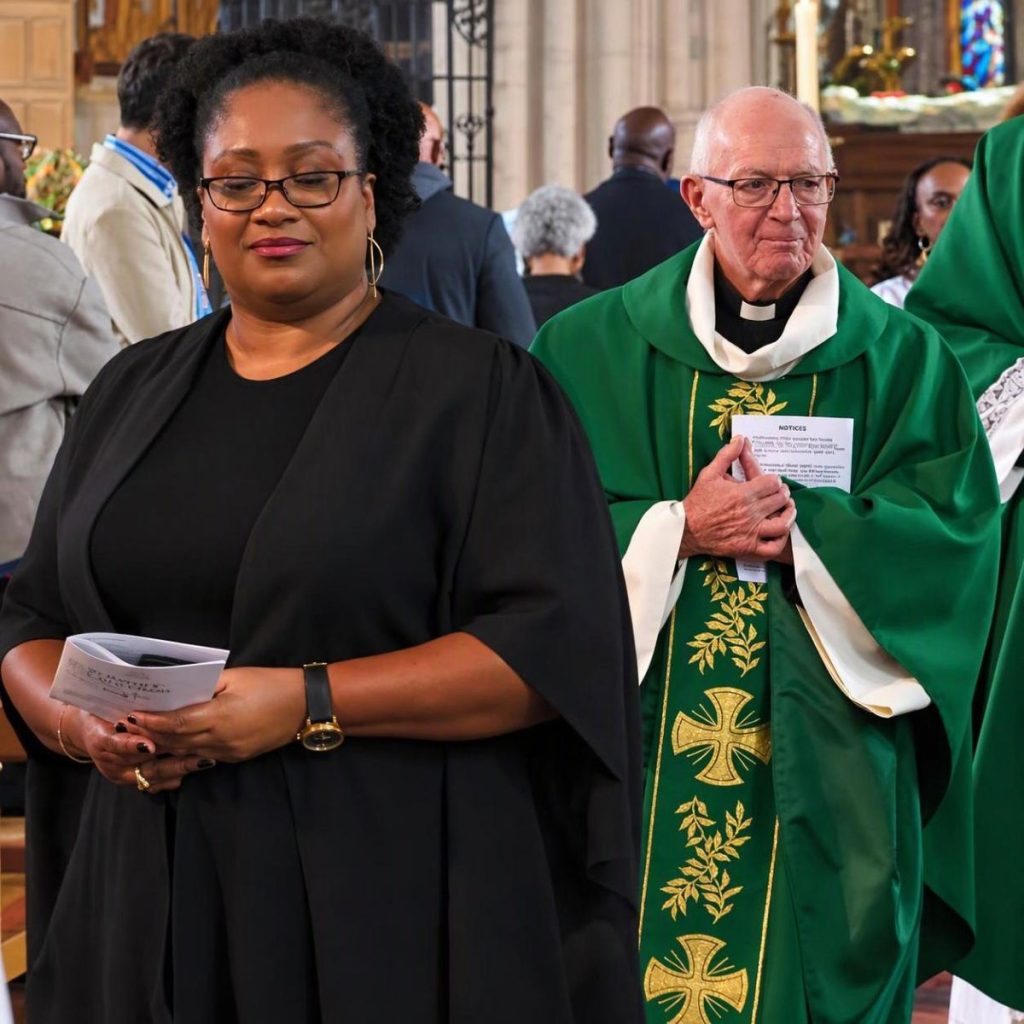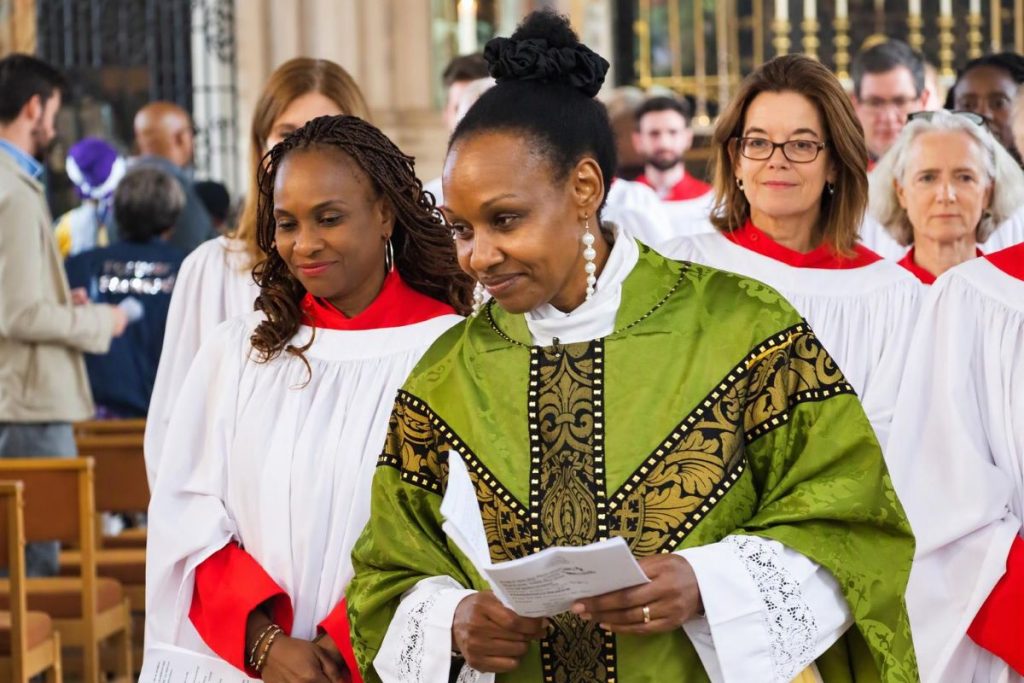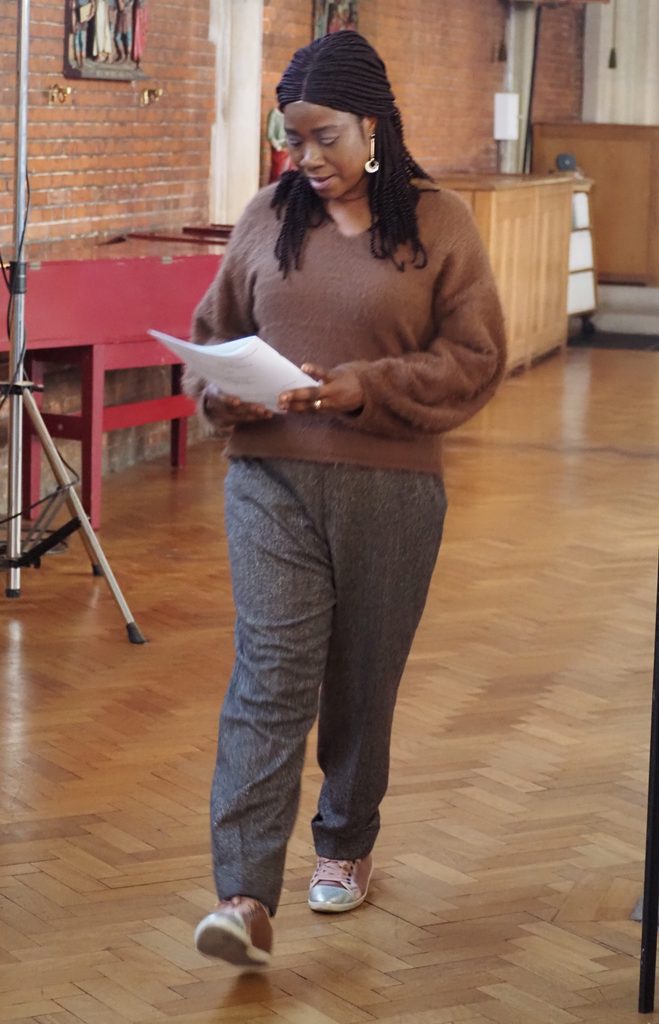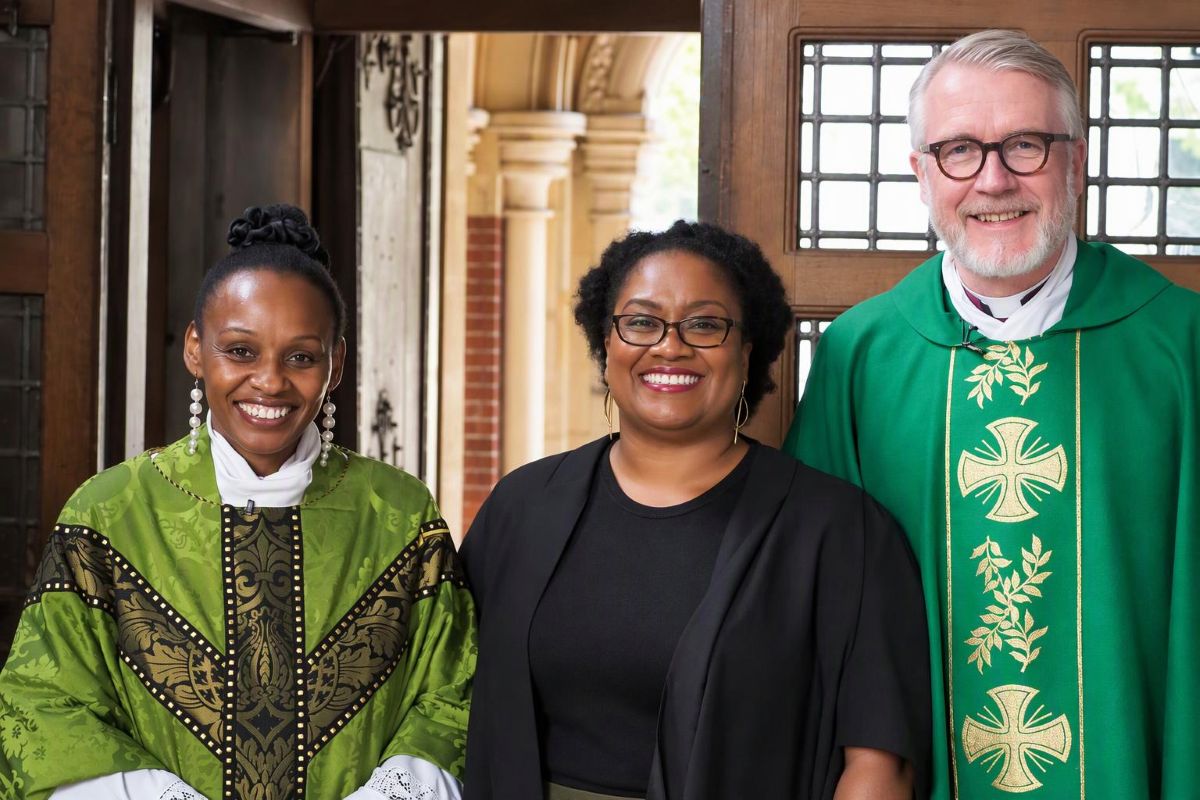
Familiar hymns, the aroma of Caribbean food, and the unmistakable rhythm of steel pan music created a warm, friendly atmosphere at St John the Divine. Yet the Harvest Celebration and Black History Month service pointed to something deeper: a thoughtful reflection on identity, justice, and belonging in modern Britain. Through worship, culture, and fellowship, the church reminded worshippers that Black history is not simply something to be remembered in October, but a living story that continues to shape the faith, character, and experience of communities today.
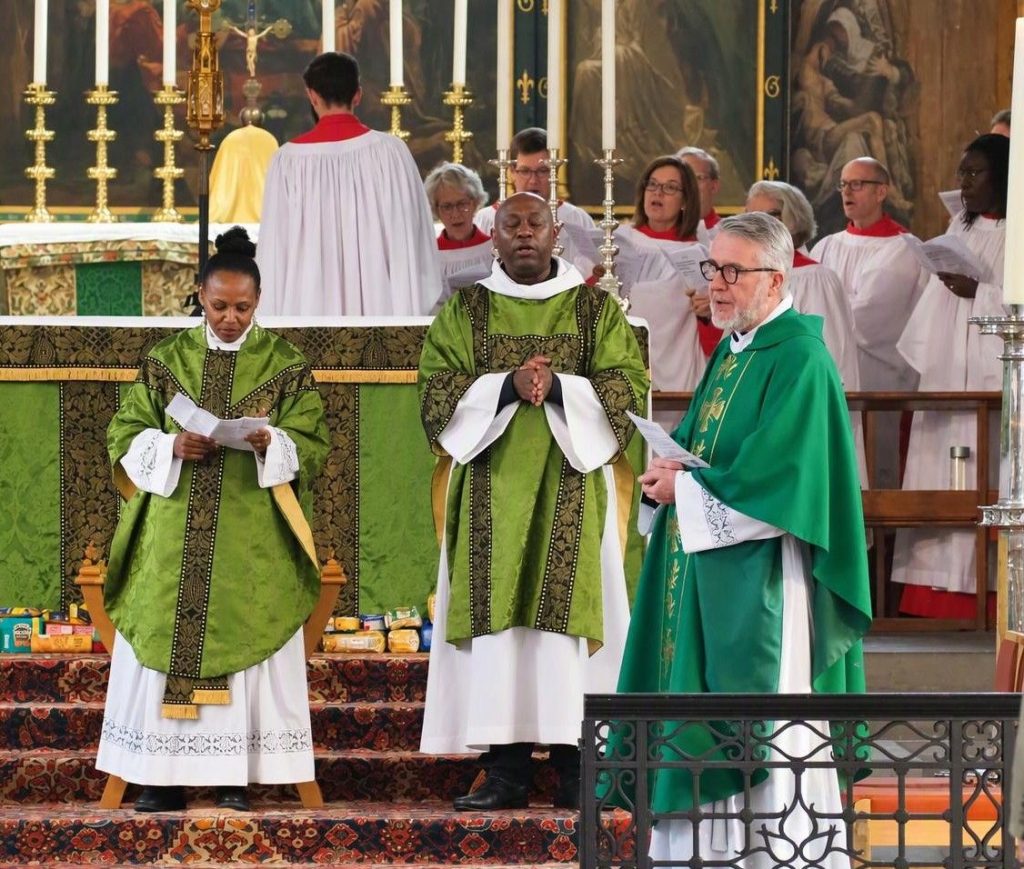
Black History Month is often associated with lectures, exhibitions, and community events. At St John the Divine in Kennington, however, it took a far more powerful form: worship. Harvest Festival Mass became an occasion not only to give thanks for God’s provision but also to reflect on the experiences, contributions, and continuing challenges Britain’s Black communities have faced. In doing so, the church showed how faith and social consciousness can sit side by side.
The guest preacher was Bell Ribeiro-Addy MP, Member of Parliament for Clapham and Brixton Hill, whose sermon drew upon the Gospel reading from Matthew 22:15-22. In the passage, Jesus responds to a political challenge with the now-famous words: “Give to Caesar what is Caesar’s, and to God what is God’s.”
Far from being confined to first-century Judea, the message connected with contemporary issues. Referencing the Windrush legacy, reparatory justice, and racial inequality, Ribeiro-Addy invited the congregation to consider citizenship, responsibility, and human dignity. It reinforced that Black History Month is not only about looking back, but also about the steady journey toward equality and recognition.
Yet the day was not defined by politics alone. Instead, like Black History Month itself, the celebration embraced culture, memory, and community. Music played a central role. The offertory hymn, I Serve a Risen Saviour, stirred memories for many worshippers of Caribbean churches and family gatherings, particularly among those with roots in Barbados and across the wider Caribbean. Later, the congregation joined in When the Roll Is Called Up Yonder, a much-loved hymn that continues to connect generations of worshippers across continents.
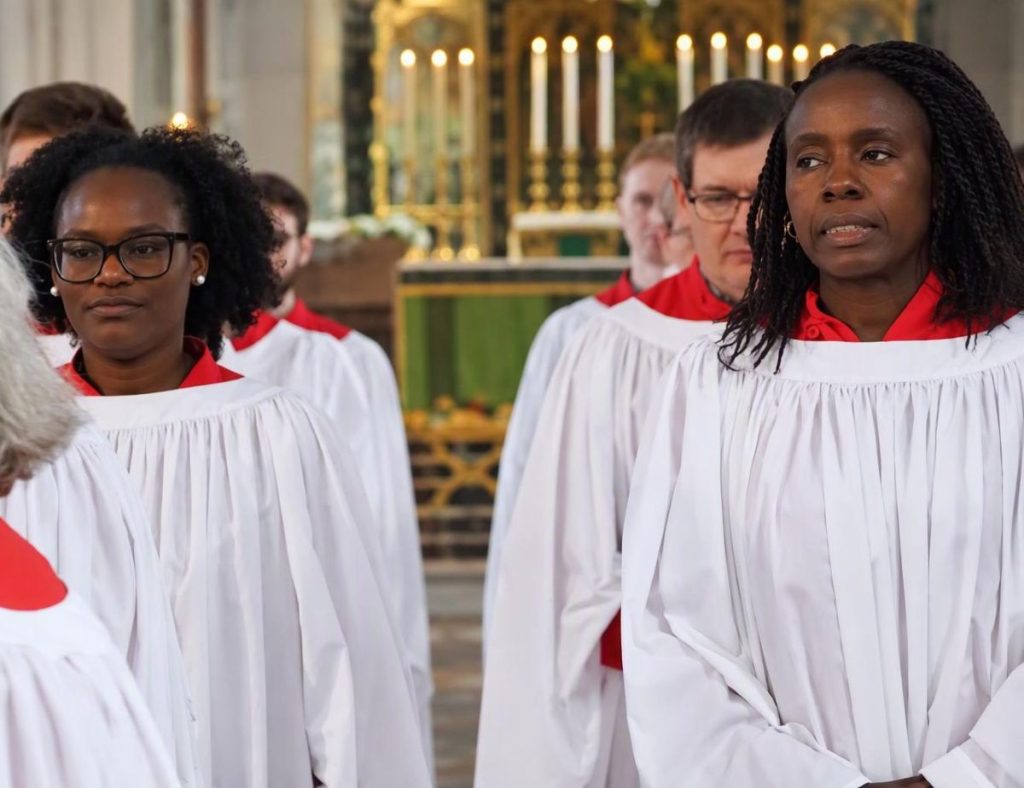
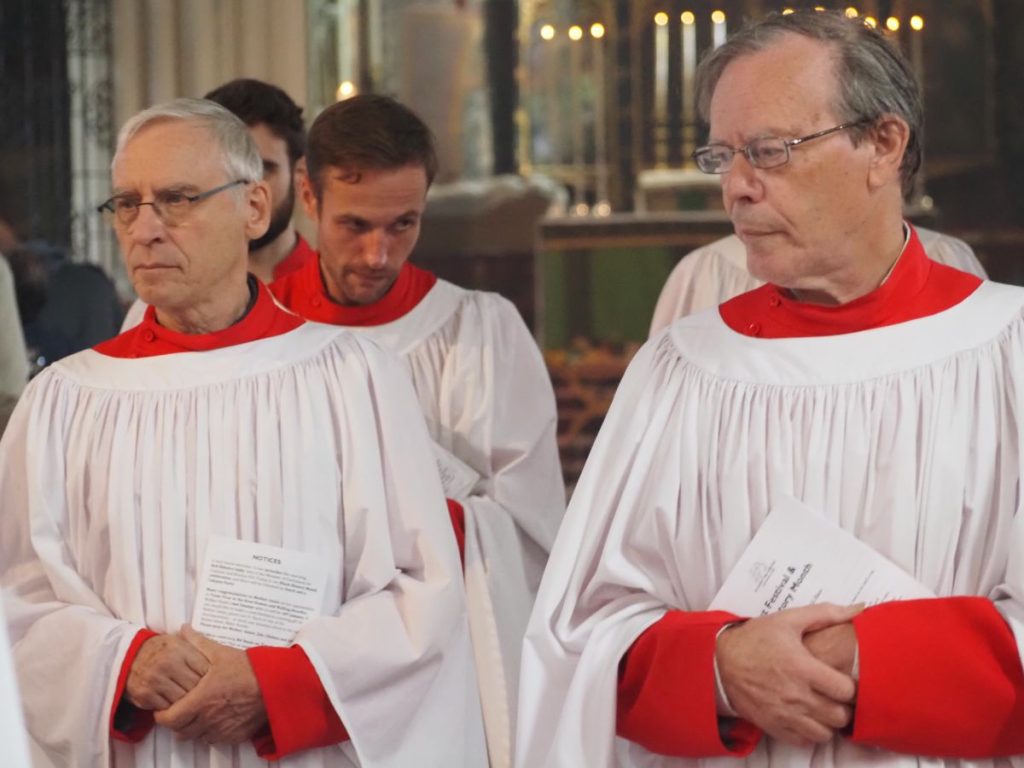
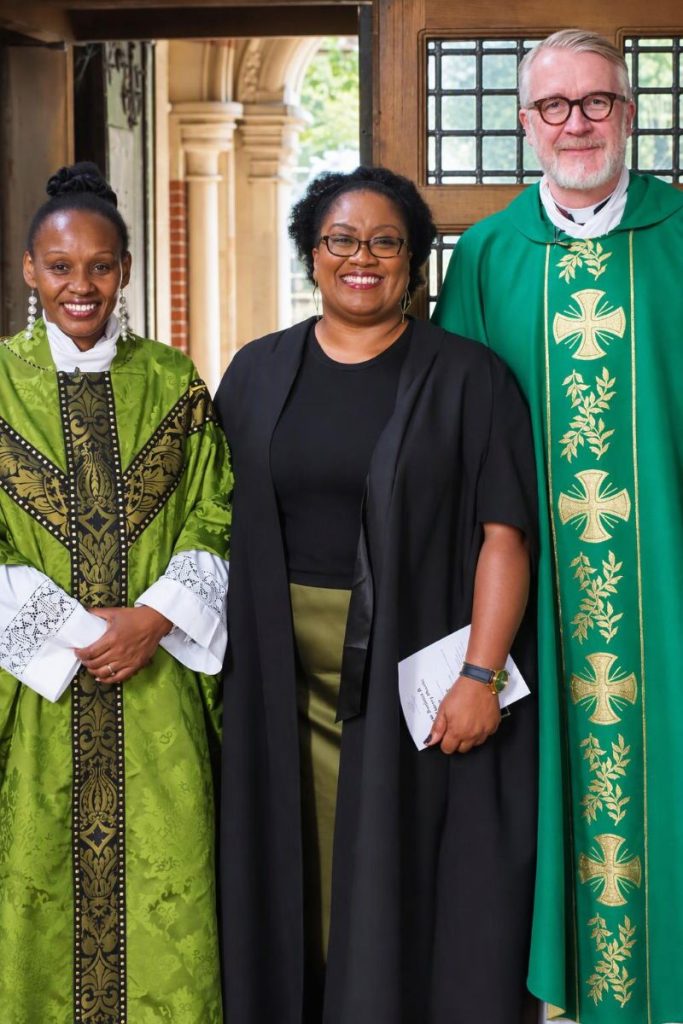
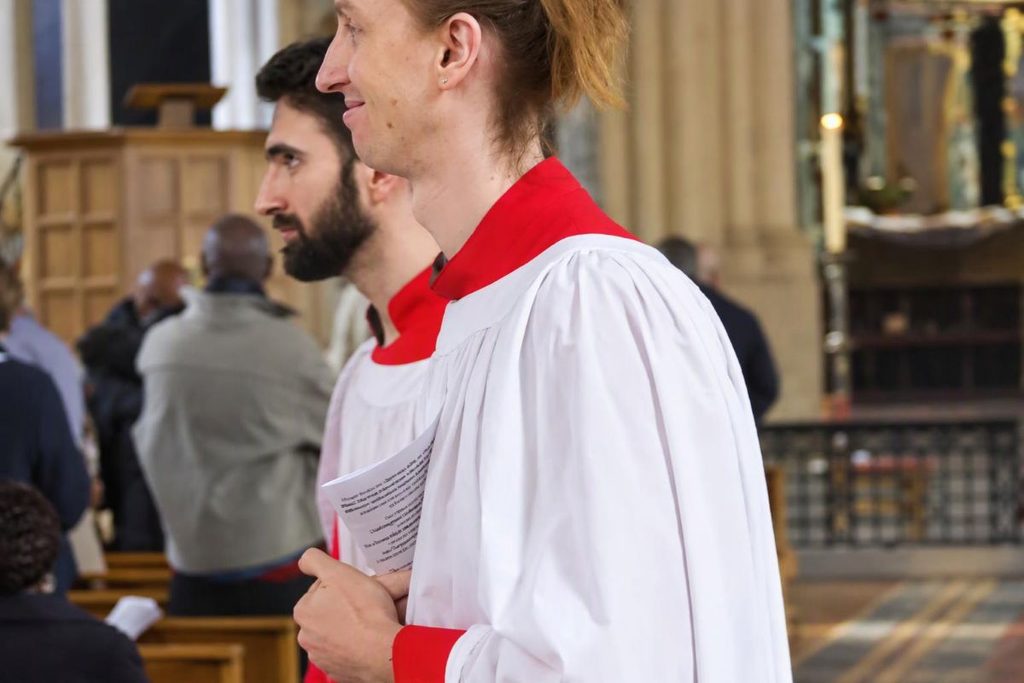
As ever, the choir provided a rich, uplifting soundtrack to the liturgy. Young Black servers and altar ministers reflected the parish’s future, while Mother Annie led the service with warmth and dignity. Father Mark Williams continued his quiet but essential role in nurturing a congregation that mirrors modern London’s diversity while remaining rooted in traditional Anglican worship.
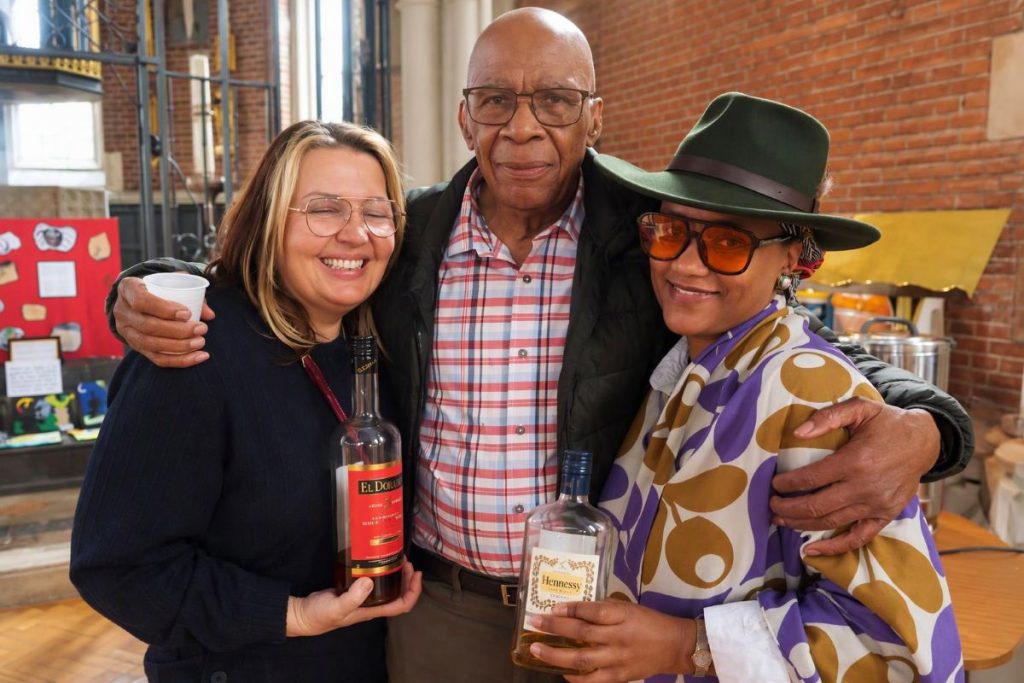
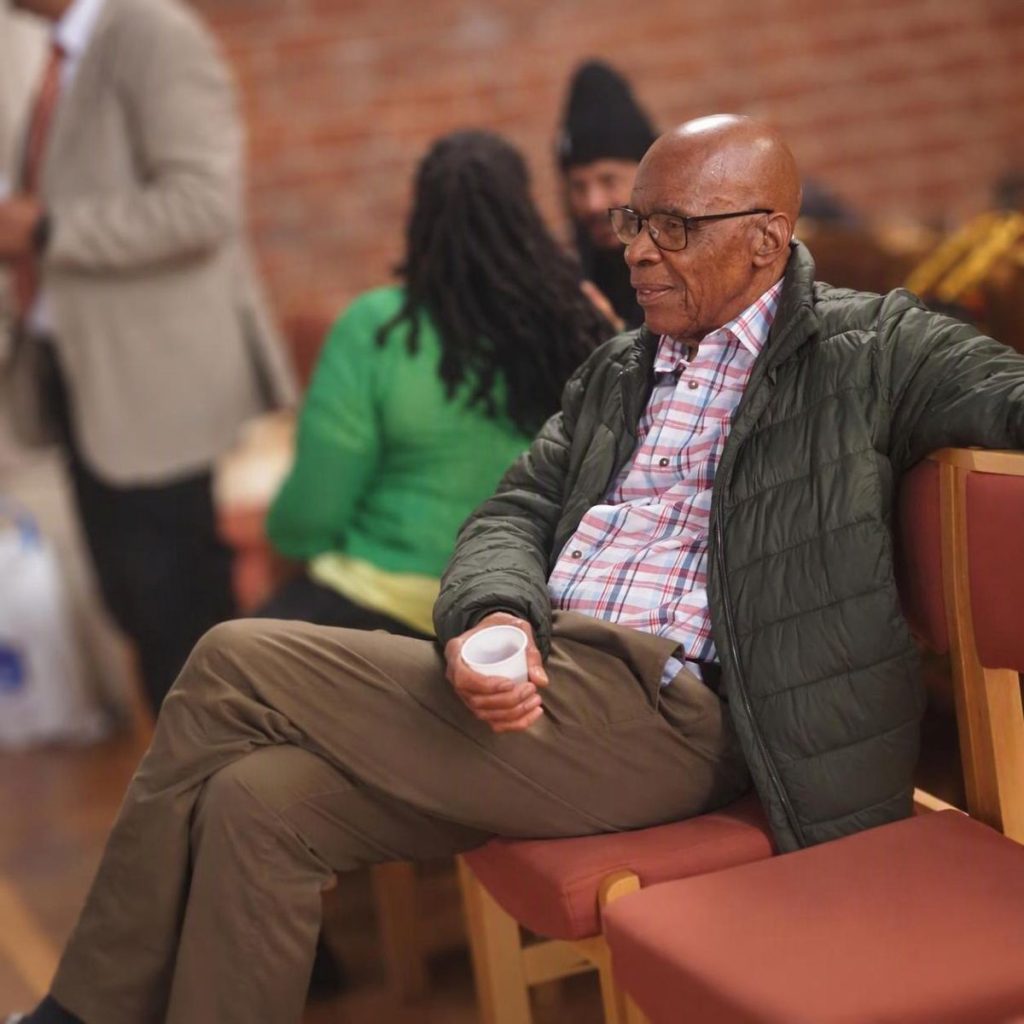
No account of St John the Divine would be complete without John Denny, a longstanding and respected member of the congregation who continues to play an integral role in parish life, just as he did in public service during his time as Mayor of Lambeth. Alongside his partner Peggy, Lynda Phillips, and a committed church family, he represents the continuity, service, and leadership that have long characterised both the church and the wider community.
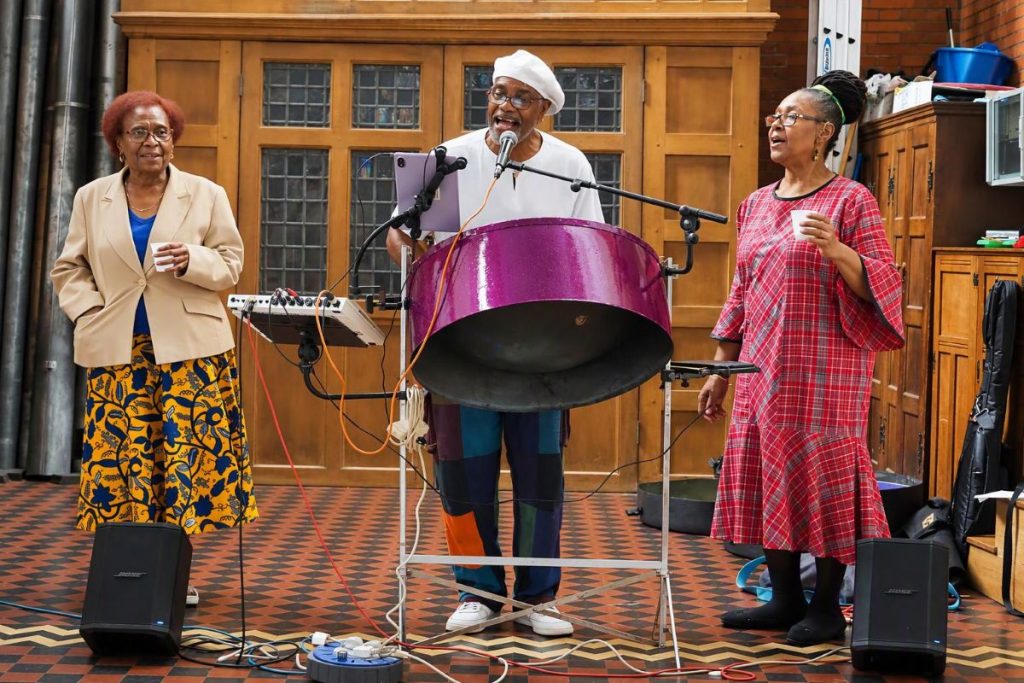
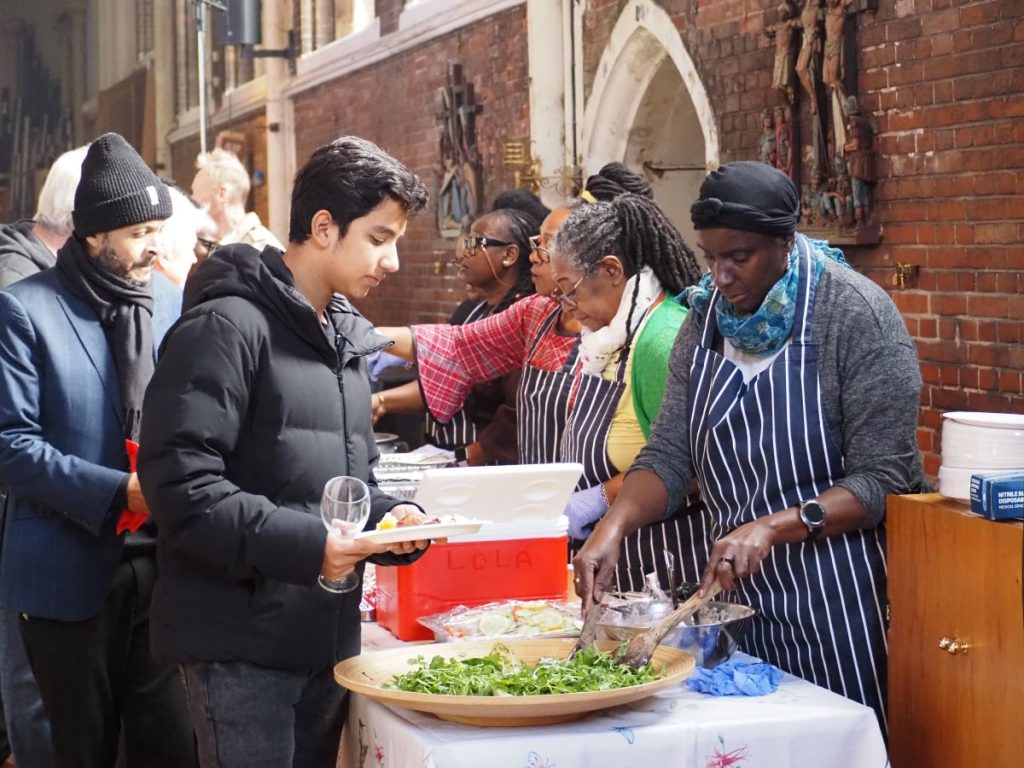
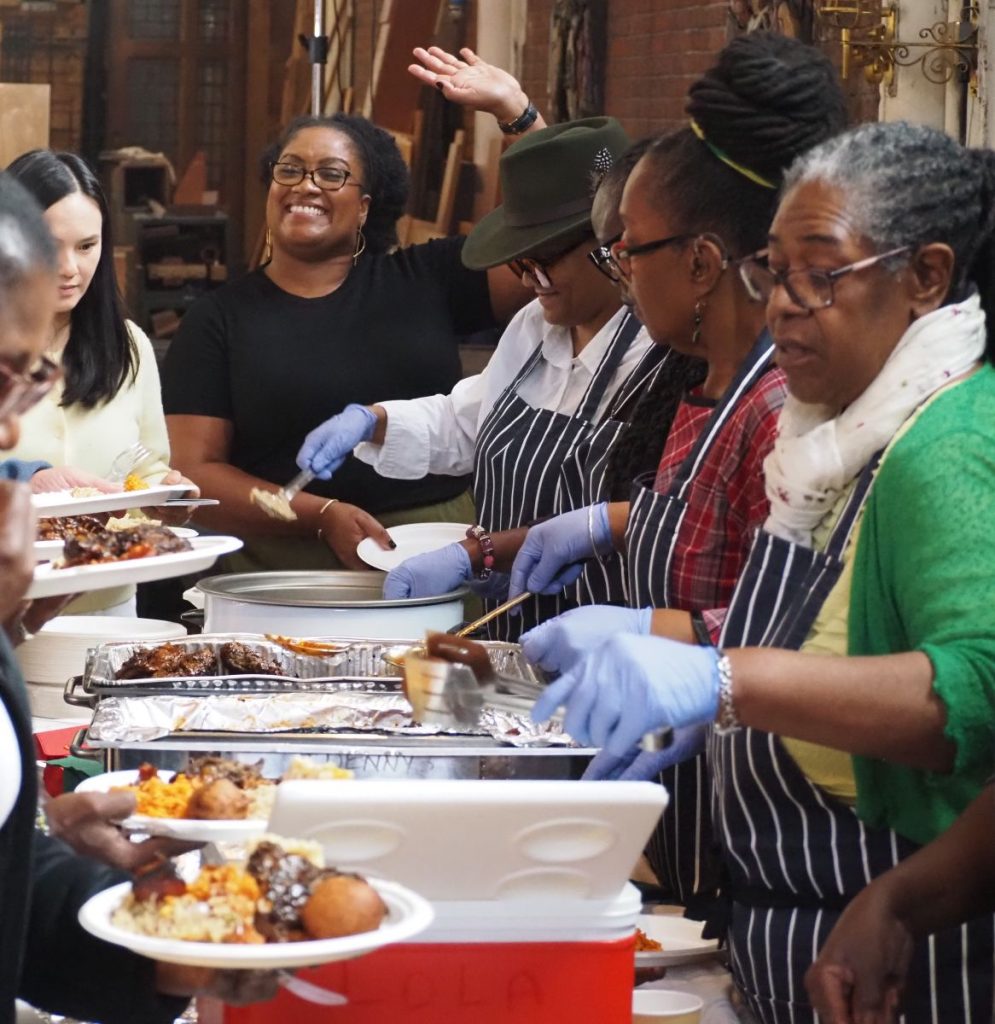
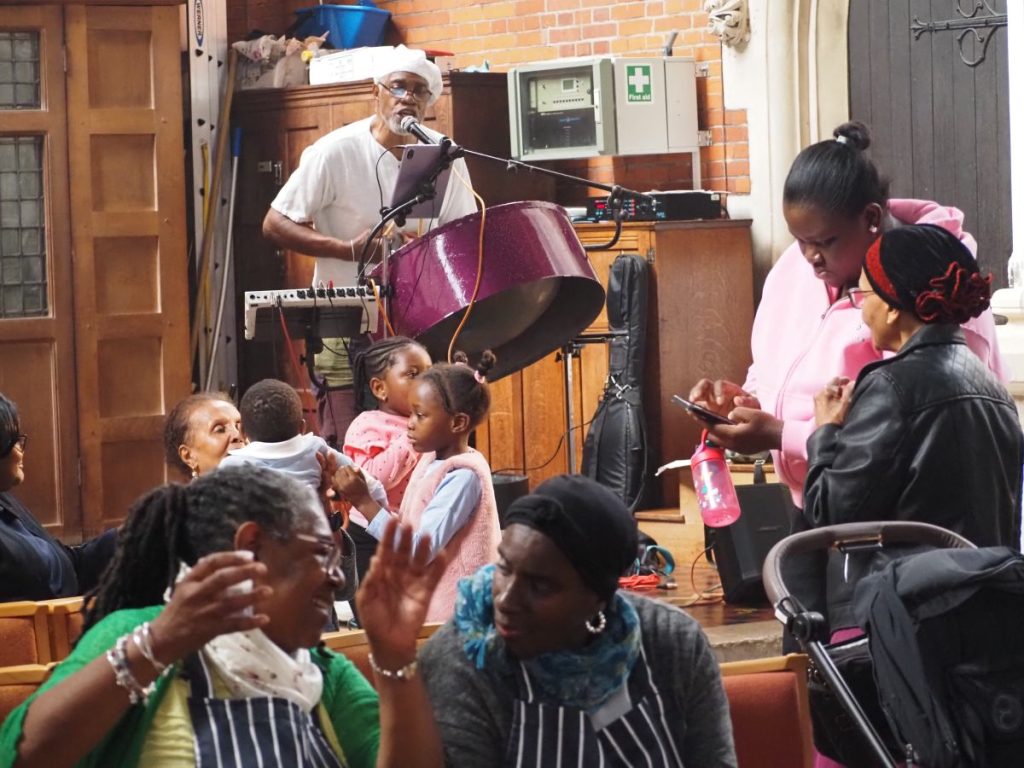
Following Mass, the celebrations moved beyond the sanctuary. Parishioners gathered for Caribbean food, fellowship, and music from a steel pan player whose tribute to the Mighty Sparrow brought smiles throughout the hall. The atmosphere conveyed a shared heritage and a sense of belonging, with old friends reconnecting, young people gathering in their own corner, and visitors made to feel at home.
One of the afternoon’s most memorable moments came when the band launched into Sparrow classics. Laughter rippled through the audience as the Welsh vicar enthusiastically joined in singing Congo Man, proving that cultural appreciation and shared spirit know no boundaries.
Importantly, the harvest collection likewise reflected the Christian call to service. Donations gathered during the festival will support the Brixton Foodbank. Supporting the wider community goes beyond the yearly harvest appeal. More broadly, fundraising remains essential to parish life, helping sustain both local ministry and international outreach. St John the Divine actively supports three parish charities: Codrington College in Barbados, which has played an important role in Anglican theological education throughout the Caribbean; the Green Belt Movement in Kenya, famous for its environmental and community development work; and Corporación Rafael Pombo in Colombia, which supports educational and social programmes for children and families.
Presently, the parish is also raising funds for a much-needed new organ, a project that will help preserve the church’s deep musical tradition for future generations. Thanks to parishioners’ and supporters’ generosity, the organ fund currently stands at £980,000, but more is required.
In an age when Black History Month can sometimes become little more than a calendar event, St John the Divine offered a different vision. Through worship, music, service, and fellowship, it showed that Black history is not simply a story of the past. It is an active narrative of faith, resilience, contribution, and community that continues to shape Britain today.
For one Sunday at least, Harvest Festival and Black History Month came together seamlessly, celebrating both God’s blessings and the rich heritage of the people gathered to give thanks for them.