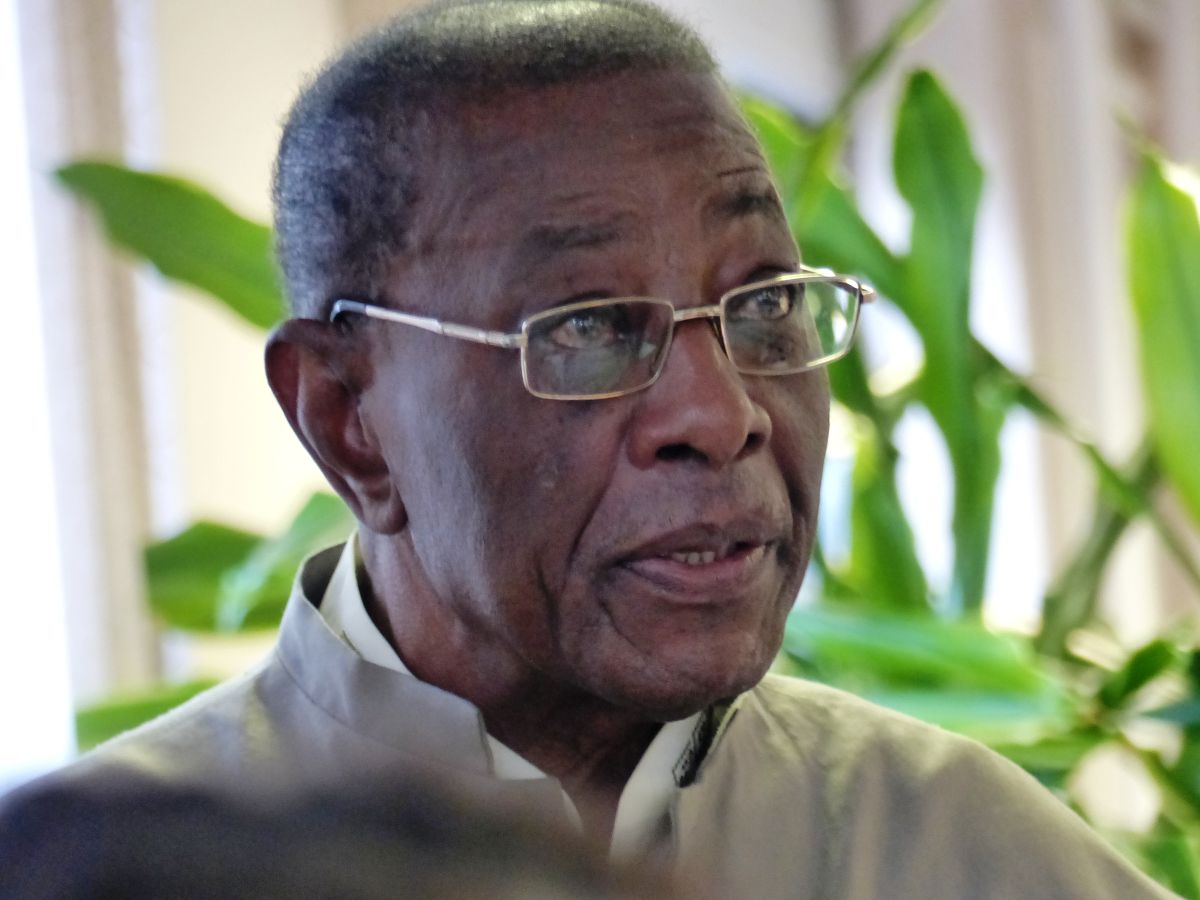
The London Caribbean community has lost a pioneer in Barbadian-born Winston Pinder, whose lifelong commitment to civil rights helped shape the struggle against racial inequality in post-war Britain. Through leadership, political activism, and dedicated work with young people, he left a legacy that strengthened solidarity across Britain’s Black communities and inspired generations to follow.
Born in Hill Road, Bank Hall, Barbados, Winston Pinder left school at an early age and began a career in telecommunications with the help of a Charles Howard bursary. His family home was later used as the political office of his nephew, Steven Blackett, a former DLP MP. Pinder later moved to British Guiana to work on the Demerara telephone exchange project, where his interest in anti-colonial politics and trade unionism deepened. In 1954, during the Windrush era, he arrived in the United Kingdom.
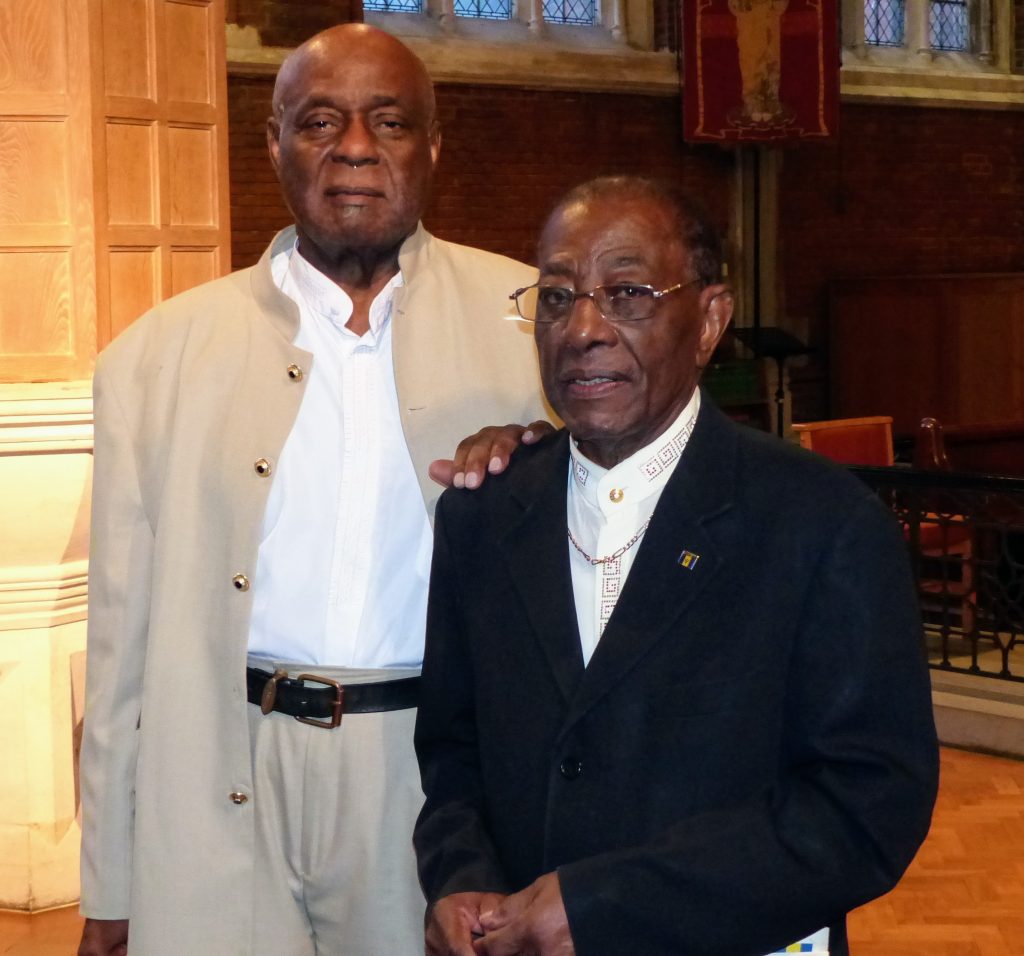
During the 1958 Notting Hill riots, Pinder narrowly escaped racist Teddy Boys armed with chains on Kentish Town Road. Years later, he survived a serious knife attack at the Tally Ho pub on Fortess Road, which left him without a spleen.
Winston Pinder’s life was marked by courage, service, and a deep commitment to justice. In 1955, after helping to welcome Trinidadian communist Claudia Jones to Britain, he drew inspiration from her example and continued his own activism. Despite experiencing racist violence, he remained devoted to supporting Black youth in London. Through organisations such as the Camden Afro-Caribbean Organisation and the Kentish Town Youth Club, he helped create opportunities, confidence, and a stronger sense of community.
In this tribute, I focus especially on Winston Pinder’s work within the Barbadian community, as I came to appreciate the full breadth of his wider history only over time. As one of the early arrivals in London, he was among those who welcomed many newcomers from the boat trains through the joint Barbados and Guyana offices.
With Winston Pinder’s passing, he joins other influential community figures such as Johnny Ward, Henderson Dalrymple, Sam Springer, and Ken Braithwaite. Their courage and conviction shaped my thinking as a young community activist. Apart from Springer, they received little official recognition, yet they were held in deep respect by those who understood the value of their work.
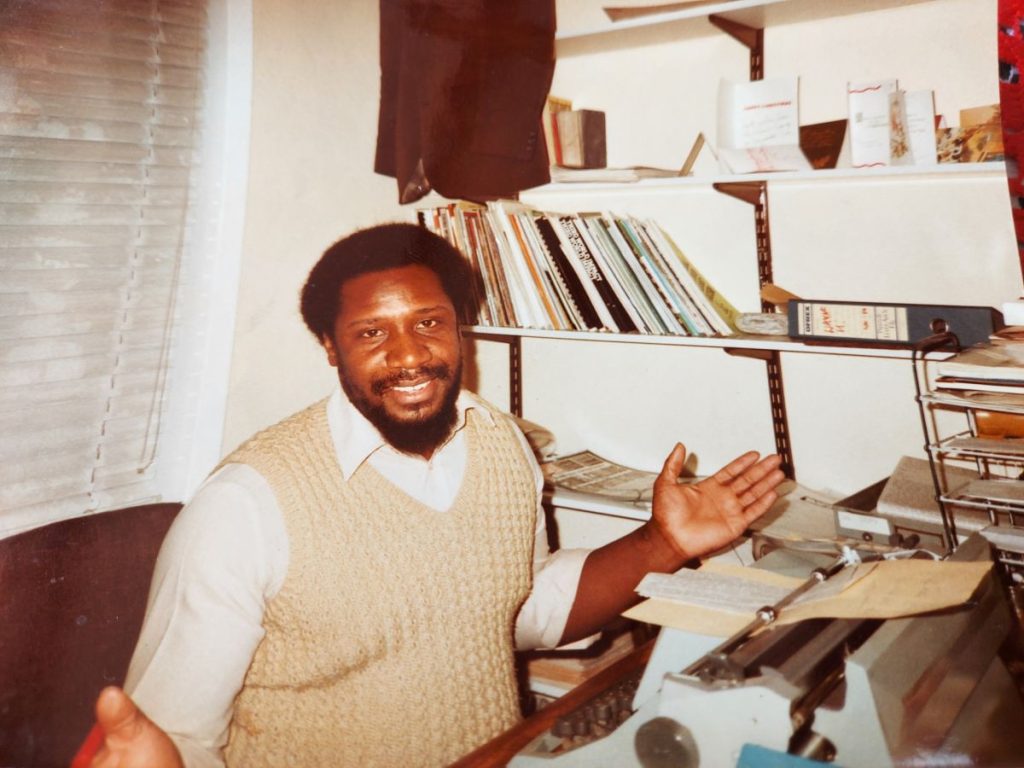
I first met Winston Pinder around twenty-five years ago, and he soon became both a mentor and a friend, though at the time I knew little of the full extent of his background. I had recently joined BOCFA (Barbados Overseas Community and Friends Association), where many members were also active in the NCBA (National Council of Barbadian Associations).
At this year’s annual end-of-May event, A Lil Bit A Bim, former Executive Officer Mack Clarke of Manchester paid tribute to Mr Pinder and invited those present to observe a minute’s silence in his honour.
Pinder, Braithwaite, and Springer each served in NCBA executive roles at different times and were regular attendees in its early years. Winston and Sam were always punctual, while Ken was famously late. Each brought a distinct presence to the discussions, which often continued long after the meetings had ended.
They were part of the Hackney Bursary group, which included Sam Springer, Ken Braithwaite, and Winston. Whenever any of them spoke, people listened. Sam Springer, Hackney’s first Black mayor, had a commanding presence and a powerful voice, and he and Winston had been close friends since childhood. Ken, a former BT engineer, brought political sharpness and often played a supporting role. Winston listened carefully, viewed the establishment with a sceptical eye, summarised discussions with clarity, and then offered his own considered view. Together, they were affectionately known as “The Three Musketeers.”
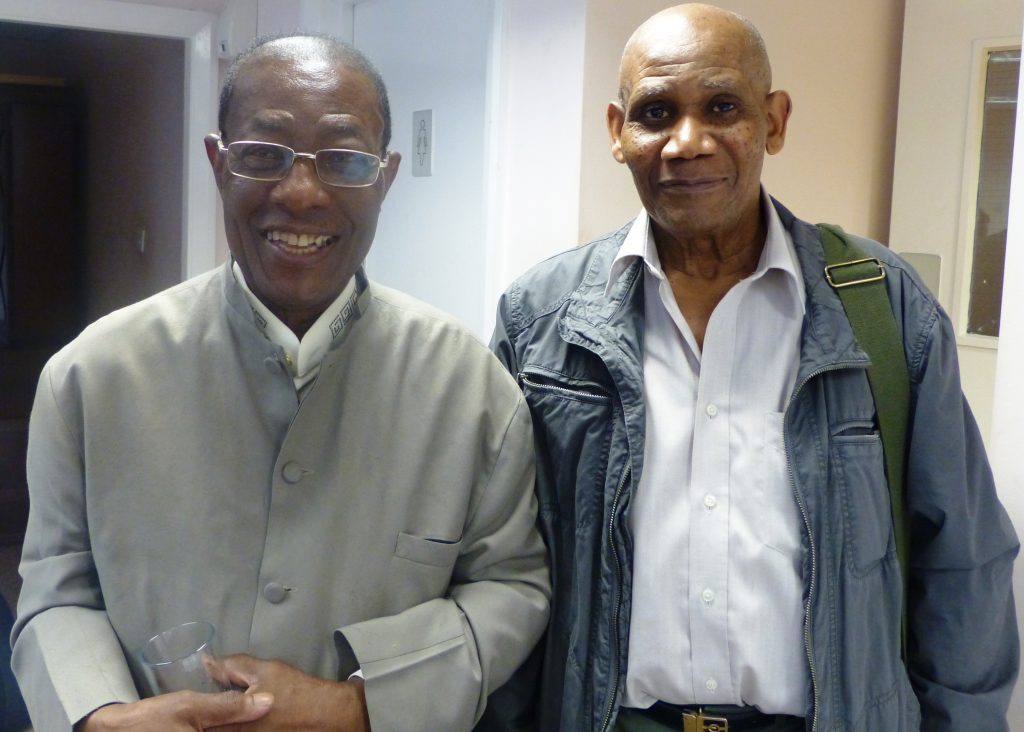
I remember asking Winston about his politics while we were travelling by train to Leeds. To explain my own position, I spoke of my support for protests against the Iraq War and apartheid, my advocacy for Nelson Mandela, and my signing of a letter to The Guardian opposing the invasion of Grenada, so that he would not mistake me for someone without political conviction. Winston replied calmly that he had attended such rallies many times with his colleagues and had joined the Communist Party as a young man.
As one of the younger members of the group, I had also known their close friend Henderson Dalrymple since my early twenties. What united them was their membership of the Barbados Democratic Labour Party UK Branch and their political conviction. Frustrated by the branch’s direction, the four of them, together with Carl Carter and Suzette Alleyne, formed a group called “Friends” while remaining within the party. Winston played a leading role in that effort, much to the irritation of the then-DLP leader, David Thompson.
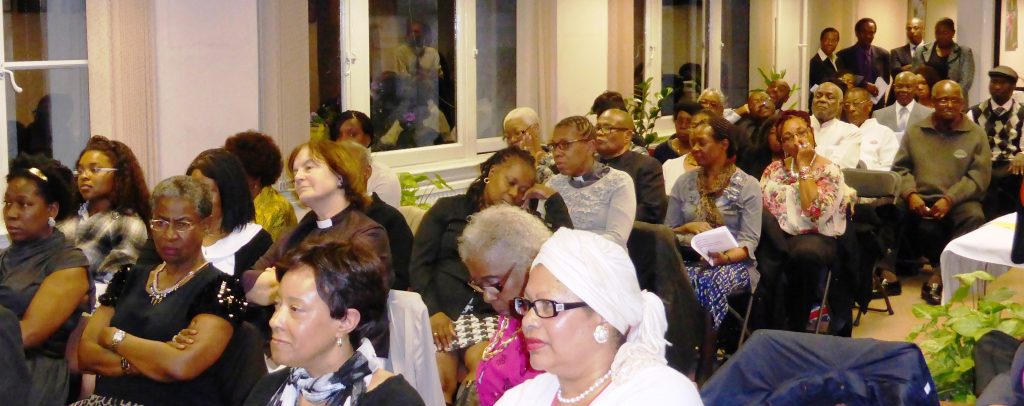
One of the many events I helped to develop was the Independence Panel Discussions, held in partnership with the Barbados High Commission during the tenure of High Commissioner Tony Arthur. The first took place at St John Divine Church Hall in Brixton and featured Hal Austin of the Daily Mail, banker Alan Smith, and Professor Richard Drayton, all former schoolmates at Harrison College. Funding came from supporters who wanted the discussions to reach beyond the Mission offices and would have to censor their remarks. Others contributed refreshments, including conkies supplied by Ken’s wife, Maria.
Winston stood out in these discussions, often offering Professor Richard Drayton an important historical perspective on the issues under discussion.
On hearing of his death, Professor Richard Drayton said, “Winston Pinder was a unique witness to the trade union struggles of 1950s Barbados and the experiences of Caribbean migrants in Britain. Every conversation with him was an education.”
After the second year in Brixton, High Commissioner Arthur remarked that an event of this quality deserved to be held at the High Commission.
In our community work, we travelled across the UK to support Barbadian communities. At one point, when I became frustrated and considered stepping down, Pinder told me, “Don’t let those people make you give up. You were elected, and only the electorate should decide.” I took that advice to heart, adopted the phrase “elected, not selected,” and carried on.
Another project that engaged him, alongside Ken Braithwaite and Hendy Dalrymple, was the Dutch Pot elderly luncheon club, for which they secured much-needed council funding.
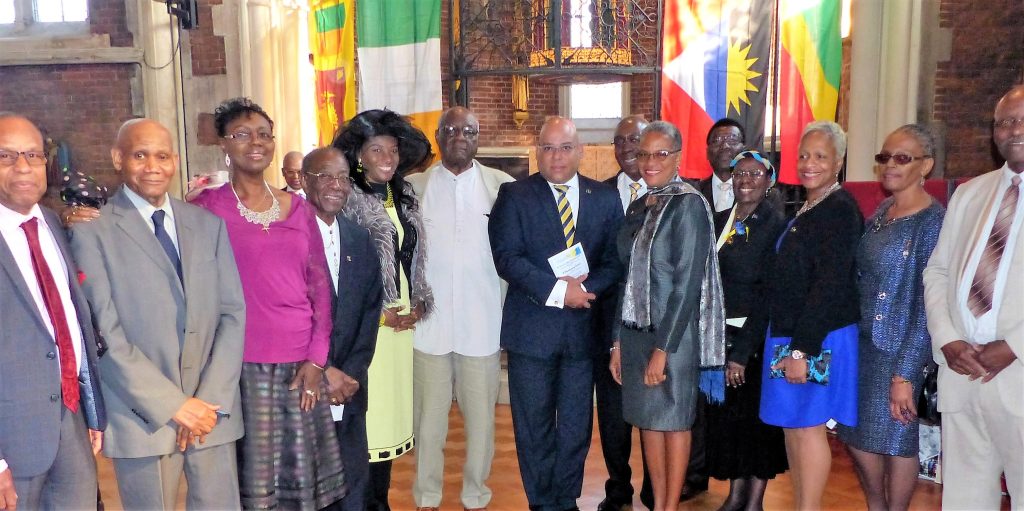
As he grew older, Winston continued to attend meetings and sought a higher office within the Barbadian community, though that ambition was never realised. The creation of the “Friends” group remained one of his personal achievements. In recent years, declining health and reduced mobility affected him, and he passed away on 15th May 2026. Yet Winston Pinder belongs to that generation whose service was often quiet, steadfast, and insufficiently celebrated, even as its influence continues to be felt in the communities they helped to build. He will be remembered not only for his political convictions and public service, but also for his generosity of spirit, his guidance to others, and his enduring belief in collective progress. May he rest in peace, and may his example continue to inspire those who follow.