


Britain’s agreement to structured dialogue on the historical harms of slavery marks a significant shift in the reparations debate. Driven by years of Caribbean advocacy and the collective weight of Commonwealth governments.
Over many decades, calls for reparations for slavery could be dismissed in Britain as an argument about the past. Caribbean governments, scholars, and campaigners kept insisting otherwise. Now, following the 2026 Commonwealth Heads of Government Meeting in Antigua and Barbuda, the debate has entered a potentially important new phase.
Britain’s Government has agreed to a structured, time-bound dialogue. It will be inclusive and good-faith, with affected parties on the transatlantic trafficking of enslaved Africans and its harms. This is not an agreement to pay reparations, but it marks an important move towards formal engagement.
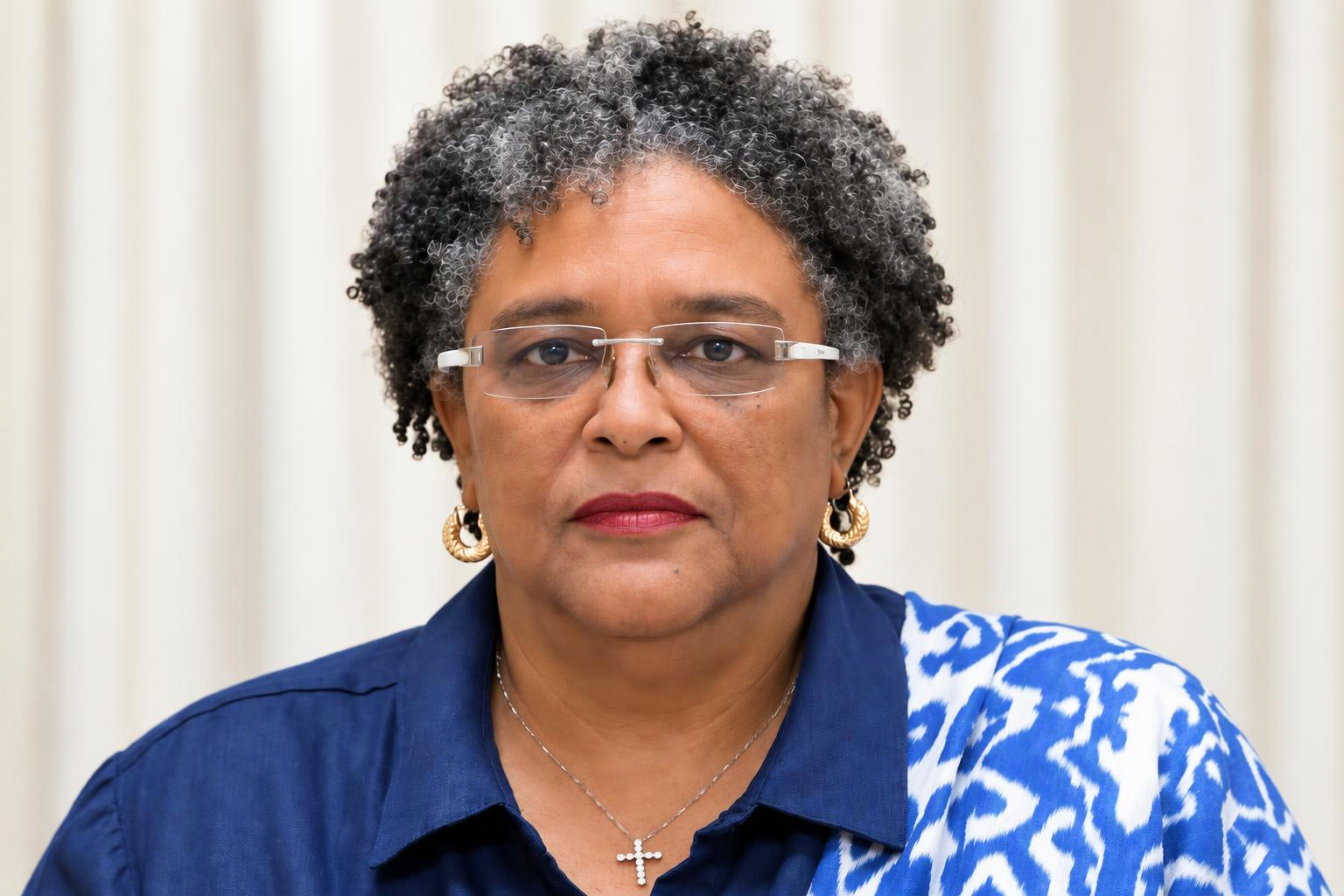
Barbados has been a leading voice in advancing the argument. Prime Minister Mia Mottley and Sir Hilary Beckles, chairman of the CARICOM Reparations Commission, have become influential voices for Barbados. They contribute to the international movement for reparatory justice.
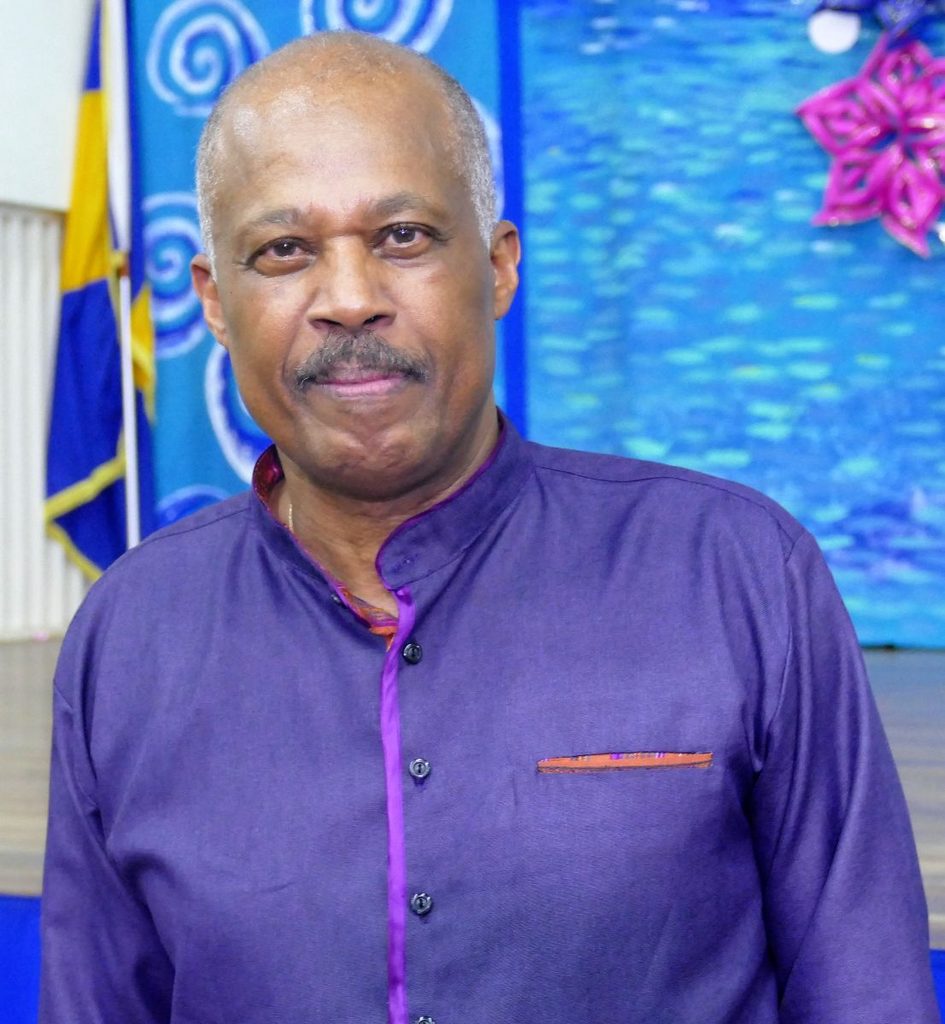
Sir Hilary Beckles has spent years pressing Britain and other European governments to engage seriously with the Caribbean. Ahead of the summit, he welcomed Britain’s offer of structured conversation, saying Caribbean governments remained committed to a “discourse of decency” over the legacies of chattel slavery. He also appealed directly to King Charles III to support reparations talks and urged the Commonwealth to become a moral institution committed to human justice.
PM Mia Mottley brings the authority of government to that campaign. At the summit, British Prime Minister Andy Burnham met her to discuss Britain’s proposed structured dialogue and next steps, while the collective power of Commonwealth governments added wider pressure.
For smaller Caribbean nations, Commonwealth summits provide access, international attention, and an opportunity to turn individual national concerns into collective diplomatic pressure.
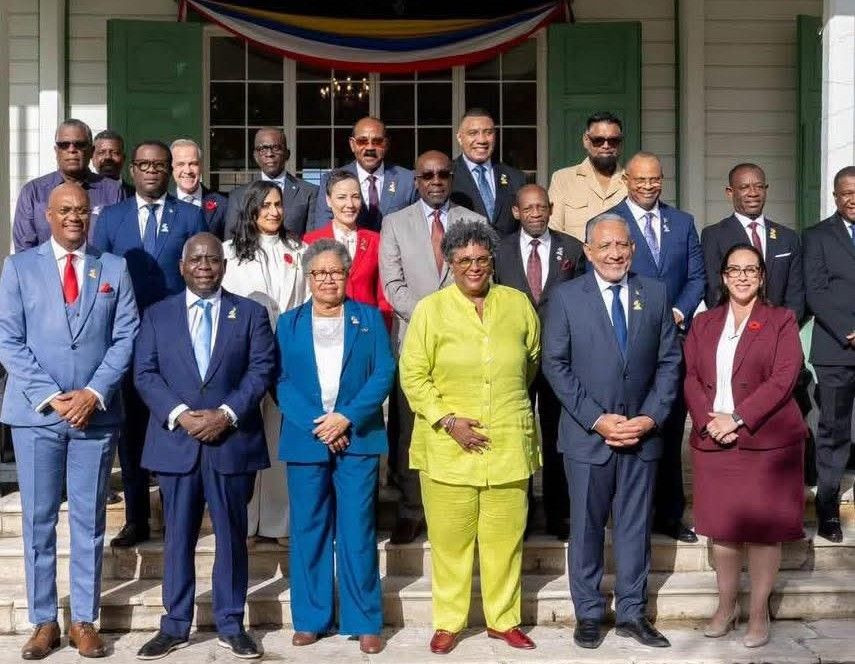
History shows the value of that platform. Analysis of the 2018 Commonwealth Heads of Government Meeting, which was overshadowed by the Windrush scandal, noted that Commonwealth summits have repeatedly given leaders opportunities to hold Britain to account over the legacies of empire. During that summit, then Prime Minister Theresa May announced compensation for Windrush victims.
Caribbean pressure was also evident in the long campaign over Britain’s Air Passenger Duty. When the UK reformed its banding system in 2014, Caribbean tourism representatives welcomed the decision and acknowledged the years of lobbying and campaigning that had contributed to the change.
Climate change provides another example. Commonwealth leaders have formally recognised the existential threat facing Small Island Developing States, while Commonwealth meetings have continued to press for resilience, investment, and stronger support for vulnerable countries.
The lesson is that Commonwealth summits alone do not solve these problems. Their strength lies in allowing smaller nations to combine their voices and make difficult issues harder for larger governments to ignore. Reparations may now be following that pattern.
These Commonwealth discussions also came against a changing international backdrop. On 25 March 2026, the United Nations General Assembly adopted Resolution A/RES/80/250, declaring the trafficking of enslaved Africans and racialised chattel enslavement of Africans “the gravest crime against humanity.” It also affirmed the importance of addressing historical wrongs and said claims for reparations represent a concrete step toward remedying them.
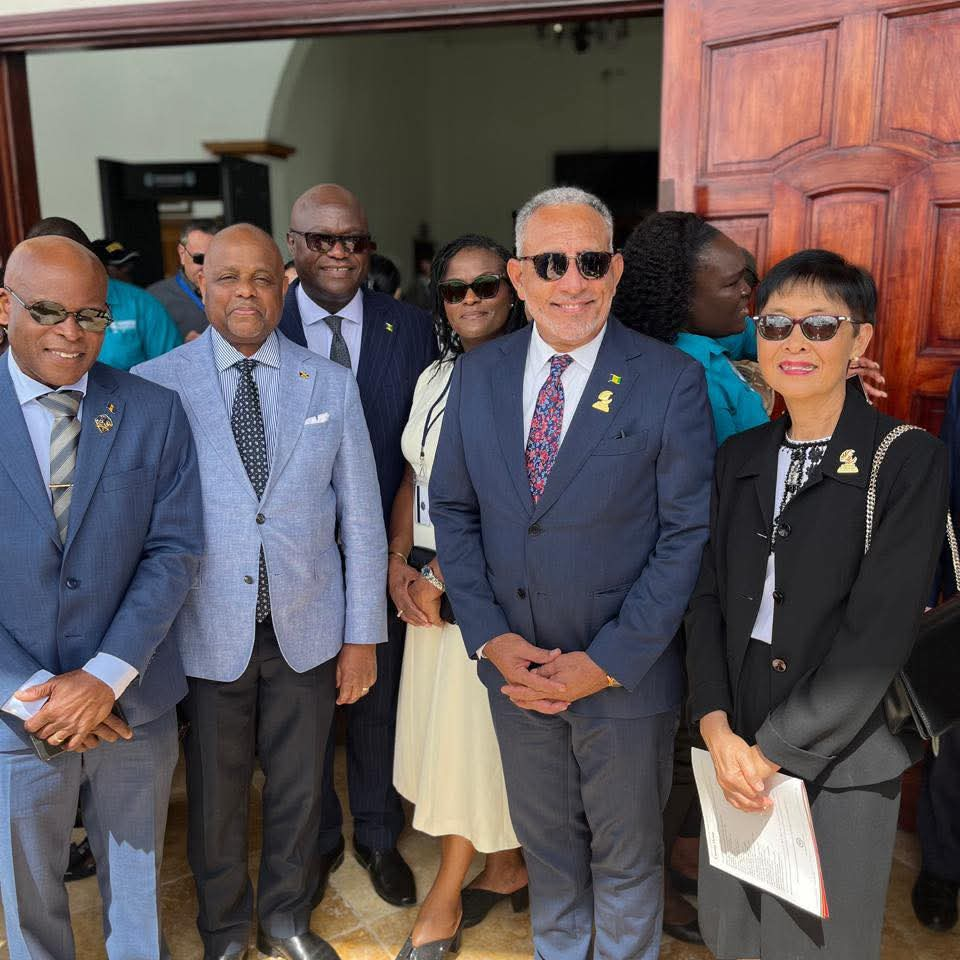
King Charles III added to the changing tone at the Commonwealth summit, describing the transatlantic slave trade as a “monstrous injustice” and a “shameful chapter of history” that filled him with profound personal sorrow. He stopped short of a formal apology but acknowledged that slavery continues to cast a shadow over Commonwealth countries.
Britain, however, continues to distinguish dialogue from financial reparations. Andy Burnham has said that listening to calls for a formal apology will form an important part of the process, while maintaining that financial reparations are not the answer.
A distinction that matters. Structured dialogue guarantees neither an apology nor financial settlement. What has changed is Britain’s willingness to formally engage with affected parties over slavery and its historical harms. Especially for those who have spent years trying to bring Britain to that table, this is significant.
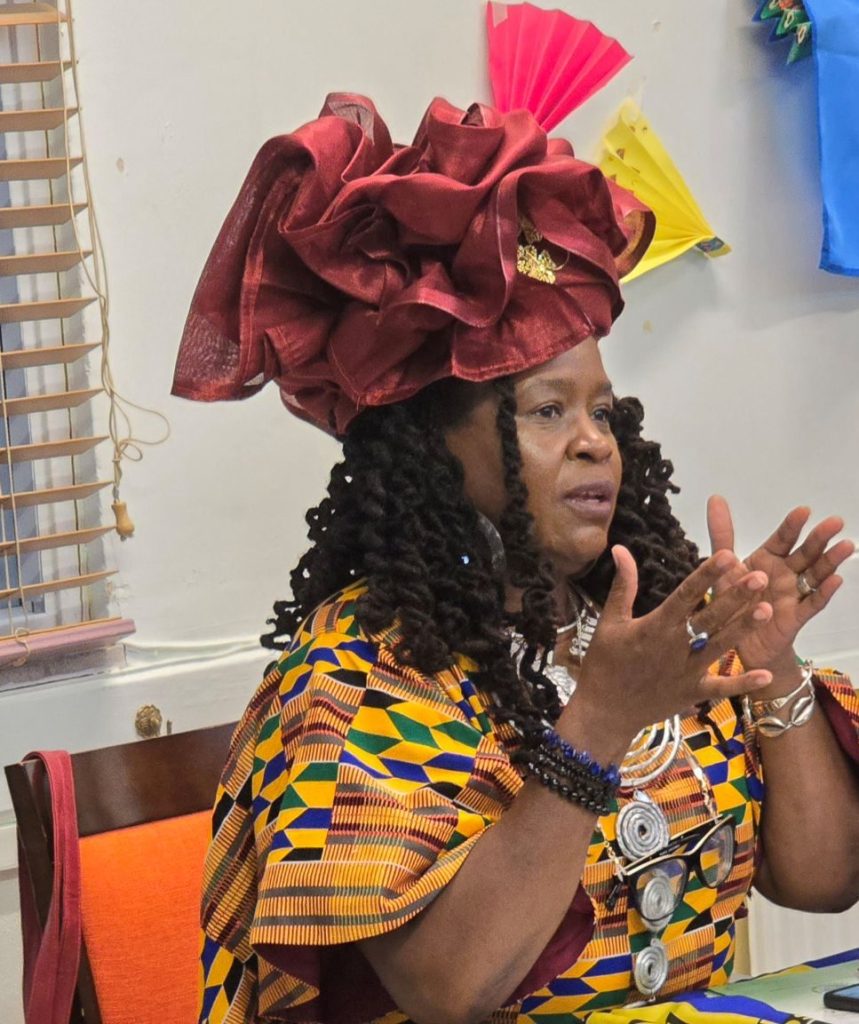
Barbados has supplied influential political and intellectual leadership. Mia Mottley brings political authority; Sir Hilary Beckles brings scholarship and sustained advocacy, while campaigners such as Esther Xosei form part of the activist tradition that has kept reparatory justice in the public arena.
The significance of this moment lies not in what Britain has conceded, but in what the Caribbean has achieved. Barbados helped provide the leadership, Commonwealth governments amplified the pressure, and Britain agreed to formal dialogue. Reparations remain unresolved, but the terms of the debate have changed. What was once easier to postpone is now firmly on the diplomatic agenda.
For the architects of the Caribbean movement, this moment’s true significance lies not in what Britain has conceded, but in what the region has achieved. A structured dialogue guarantees neither an immediate apology nor a financial settlement. What it does guarantee is that the legacy of empire can no longer be postponed or ignored. Through Barbados’s leadership and the Commonwealth’s collective power, reparations are now permanently on the global diplomatic agenda.
