


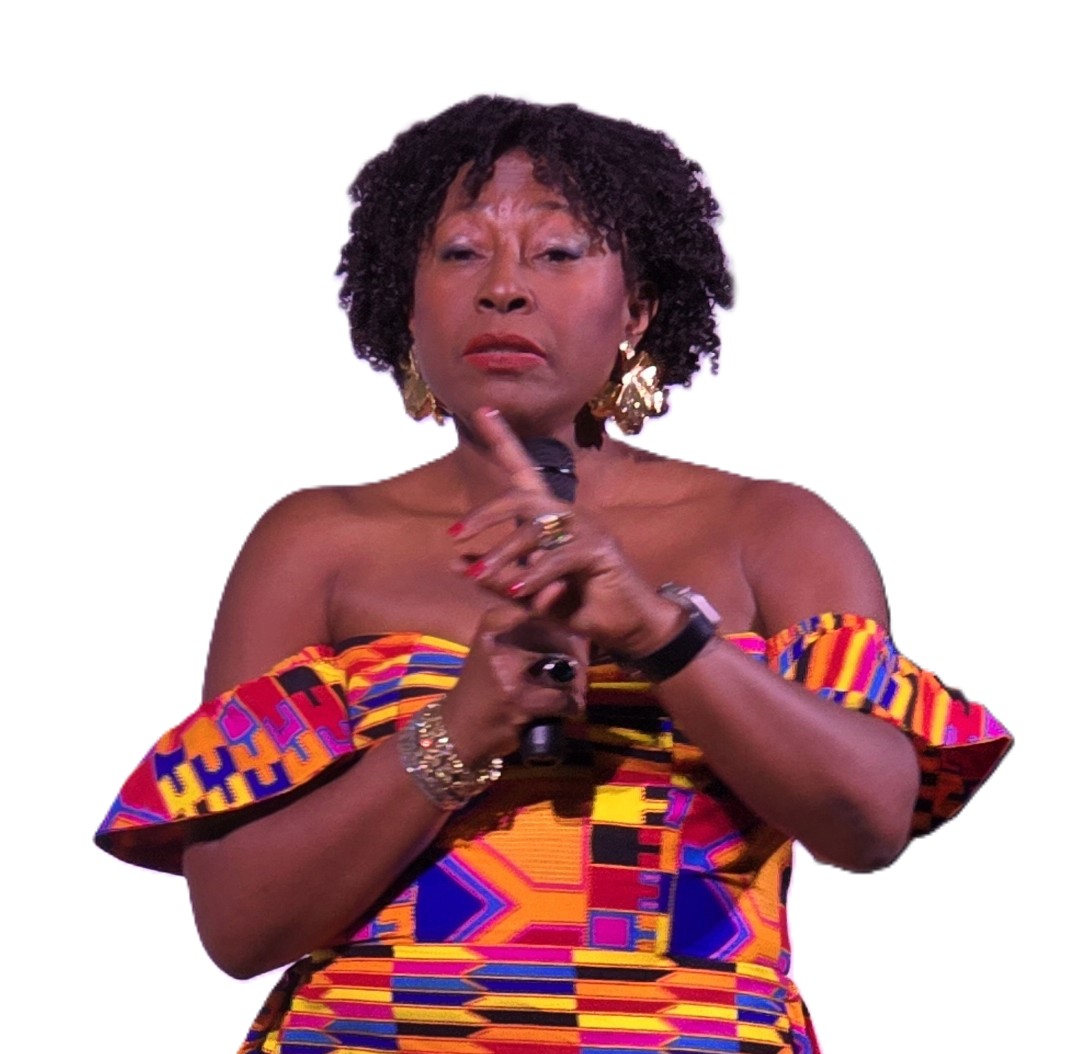
Alison Buchanan is the Artistic Director at Pegasus Opera Company and is recognised as the only Black woman to lead an opera company in both the United Kingdom and Europe. Additionally, she is a distinguished soprano with an accomplished career in the industry.
Prominent Black opera singers in the UK, including Alison Buchanan and Sir Willard White, have helped shape the classical music scene while navigating substantial underrepresentation in the industry. Historically, figures such as Paul Robeson helped open doors for others, yet contemporary artists still contend with issues like systemic diversity, limited opportunities, and the need to establish their own platforms, such as the Pegasus Opera Company.
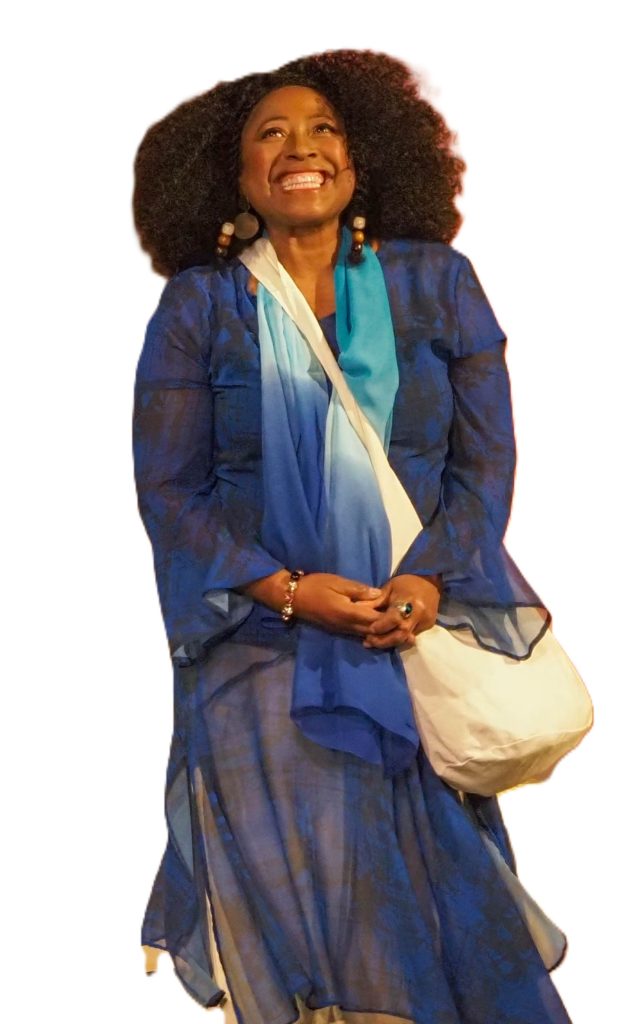
Pegasus was created to offer opportunities to artists from Global Majority backgrounds, encourage opera appreciation among young people in underserved communities, broaden their cultural experiences, and support opera in culturally diverse communities of all age groups.
Born in Bedford to a Barbadian father, Keith Harding, and her Jamaican mother, Lena, Alison began singing at a young age, captivated by her father’s extensive record collection. She recalls hearing Christa Ludwig’s Brahms Alto Rhapsody and feeling a spark: “It must have ignited something in me.”
Alison began her singing experience with her local church choir. At the age of eleven, while attending Westfield Middle School, her musical ability was recognised by her teacher. She subsequently enrolled at Bedford High School for Girls, a private institution, where a staff member further identified her exceptional talent and arranged for her to attend a performance by the King’s College, Cambridge choir. Alison continued her musical education at the Guildhall School of Music & Drama, where she received several accolades, including the Maggie Teyte Competition award
In 1986, Alison Buchanan became the youngest singer to perform in Trevor Nunn’s acclaimed Porgy and Bess at Glyndebourne. There she met Lloyd Newton, founder of Pegasus. Although the cast included Black singers from the UK and the US, opportunities were limited after the production ended. This shortage led Lloyd Newton to create an opera company dedicated to diversity and inclusion for Black, Asian, Brown, dual-heritage, and Indigenous artists—minorities in Western contexts. the global majority.
Founded in 1992 in South London, Pegasus grew from strong roots in Brixton. As Newton’s friend, Alison became involved with Pegasus in various capacities from the beginning: on the board, as assistant artistic director, and as a singer in several productions. Even after moving to Philadelphia to study at the Curtis Institute, Lloyd kept her engaged by calling to brainstorm ideas or inviting her to participate, ensuring she remained connected to Pegasus.
At the Royal Opera House in 1994, Alison Buchanan organised a recital series for the Covent Garden Festival. She had a list of around thirty-five names selected from the all-black casts of the Royal Opera House and Glyndebourne productions of Porgy and Bess. Since then, many have either left the profession altogether or, like Buchanan, moved to America, where her career took off.
“The opportunities are wider in the States. In England, I feel I have to be not exactly beyond criticism, but that I have to do a really good job, or somebody might say, ‘Oh well, we hired that black singer, and she didn’t do very well, so we won’t hire them. They’re not really as good.’ I feel that I have to carry the mantle of ‘the black singer’ in England. In the States, I’m just a singer who happens to be black.”
In 2016, Alison’s world was shattered when Lloyd Newton received a cancer diagnosis. After his passing in 2017, she learned he had designated her as Creative Director in his will, thus beginning her leadership journey at Pegasus.
Despite her initial reluctance, Buchanan took the role at Pegasus and tackled the challenge with determination. With strong support from executive director Sonia Hyams, Pegasus grew its reach and reputation. Their teamwork helped the company through tough times, earning awards and National Portfolio Organisation (NPO) status from the Arts Council in 2023—a major achievement amid funding cuts to other groups. Their projects excited people, made an impact, and brought new audiences to venues across the UK.
The arrival of the Windrush ship is seen as a key moment in Britain’s migration history, and arguably one of the subjects that has had an impact on Caribbean people in the UK. In 2024, Pegasus Opera Company presented its National Tour of Windrush: The Journey, paying tribute to the Windrush generation, showcasing a rich tapestry of music and storytelling, and celebrating Black classical composers: past, present, and future. Through the outstanding music of Chevalier de Saint-Georges, Richard Thompson and Des Oliver – three composers who represent different eras of Black history – Pegasus honoured the legacy of the Windrush generation with an exciting fusion of classical music, steel pan, jazz and blues.
Alison believes that diverse representation is crucial, especially for those experiencing opera for the first time. She feels a deep responsibility, knowing firsthand how transformative it is to see yourself reflected on stage.
Alison cited: “When Black children witnessed Barack Obama become president, many felt empowered to dream beyond what they thought possible. During my outreach work with the San Francisco Opera, I saw Black children look at me with astonishment and hope, moved by seeing someone like me perform. Their reactions were deeply touching and lasting.”
She says classic shows will always have their place, but new stories are powerful. ‘Blue at the English National Opera talked about police violence against Black people – and the audience was very mixed,’ she says.
She remembers Birmingham Opera Company’s 2006 show of Ariadne at the Q Club, once a church, now a nightclub. The place was odd, with bird droppings and used needles, and it was tough for a soprano. Alison liked how old places were used to get new people into opera. The chorus was made up of gang members, who were told to ‘leave it at the door, which showed how unique the setting was. That’s not likely at the Royal Opera House, she jokes.
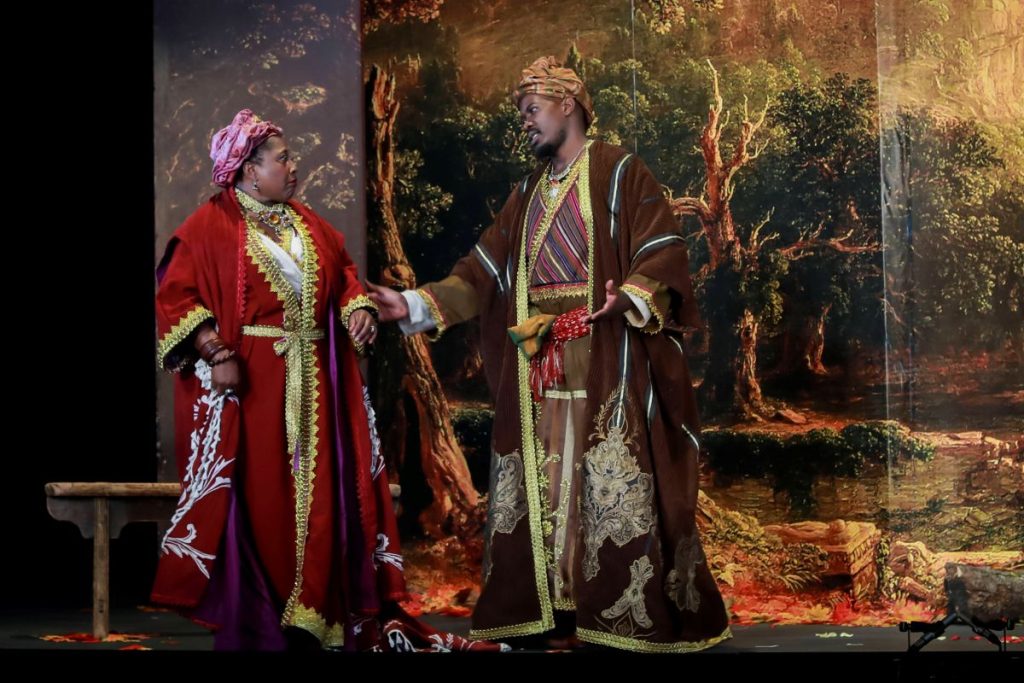
She believes opera should reflect its community. ‘In London, that means diversity, as the city is a melting pot. At Glyndebourne or Neville Holt, each context is different. Wherever you are, consider who you could reach.’
George Floyd’s death prompted global change, with companies and artists shifting perspectives. Social media now highlights Black-owned productions and theatre festivals in the UK and the US, as well as new initiatives to boost Black attendance.
For Alison, her career has brought many highlights. Working with Sir Colin Davis with the London Symphony Orchestra on Britten’s ‘Peter Grimes’ was a privilege. Singing on the banks of the Sea of Galilee, her debut as Mimi at San Francisco Opera, and later performing as Micaela for the same company stand out as pivotal moments. Her contributions to Glyndebourne’s Porgy and Bess, performing Strauss’ Four Last Songs with symphonies, her experiences at the arts festival in Harare, and being chosen as the muse of the chief Buddhist monk of Korea have been central to her journey. These experiences have taken her across the world, brought her to remarkable places, and allowed her to meet extraordinary people she sometimes has to remind herself were real. She was recently featured in Netflix’s “Queen Charlotte: A Bridgerton Story.”
Alison says, “Pegasus has helped make opera reachable for people who might not usually go, connecting with communities other opera groups often miss.”
Pegasus’s mission is to make opera stages as diverse as the streets they are performing on. ‘Opera is just storytelling. The stories found within it—love, betrayal, family dynamics—are universal,’ she says. ‘When the stories and people on stage reflect the diversity of our audiences, it creates a powerful sense of belonging. If you build it, they will come. When people come to our shows, they see themselves. That’s powerful,’ she says, her face brightening with pride.
Pegasus has inspired many to love opera as it celebrates the music of the “Global majority.”
