Cricket has long unified West Indian people in Britain. Since the 1960s, when thousands arrived during mass immigration to help rebuild post-war Britain, it has been both a refuge and a rallying point. With few social clubs open to them and limited venues welcoming Caribbean communities, many turned to the one arena where they already excelled: the cricket field.
Internationally, the West Indies soared. Victories on the world stage became victories for every Caribbean household in Britain. In those golden years, the team drew heavily from Barbados and Guyana. Barbados produced a remarkable cluster of Test stars: Frank Worrell, Garfield Sobers, Wes Hall, Charlie Griffith, Conrad Hunte, Seymour Nurse, forming the backbone of the side. Guyana contributed fewer players numerically, but their impact was immense: Rohan Kanhai, Basil Butcher, Joe Solomon, Lance Gibbs, and later Clive Lloyd. Together, these two nations, along with Jamaica and Trinidad, shaped the identity of West Indies cricket in the 1960s, giving diaspora communities in Britain heroes to rally behind.
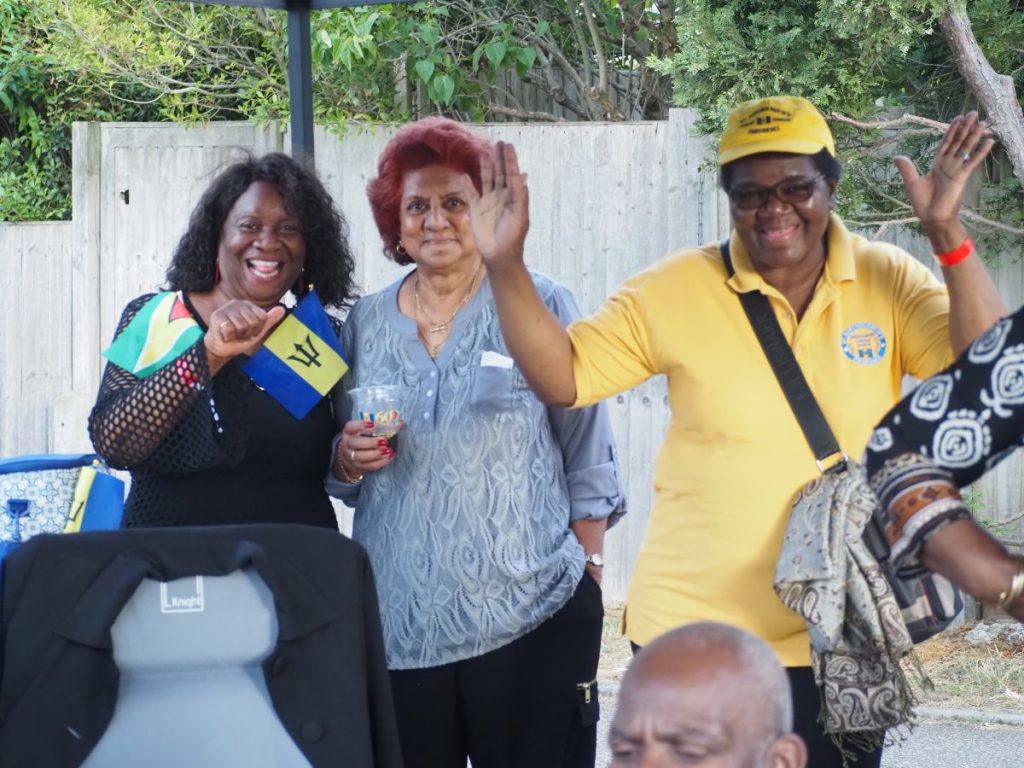
It was fitting, then, that on Sunday 6 September, as Barbados and Guyana each celebrate 60 years of independence, cricket once again took centre stage. A commemorative T20 match between the two nations unfolded at Hornsey Cricket Club in North London, bringing together heritage, nostalgia, and the unmistakable energy of the diaspora. According to reliable sources, Diaspora Attaché Betty Lewis’s initiative for the diamond jubilee brought about the Heroes Day lecture featuring Sir Clive Lloyd on the late Sir Garfield Sobers, which sparked renewed excitement. That was the inspiration. After all, Sir Clive’s mother was Barbadian, from near Jenkins in Black Rock, although he was born in Guyana. The connections run deep.
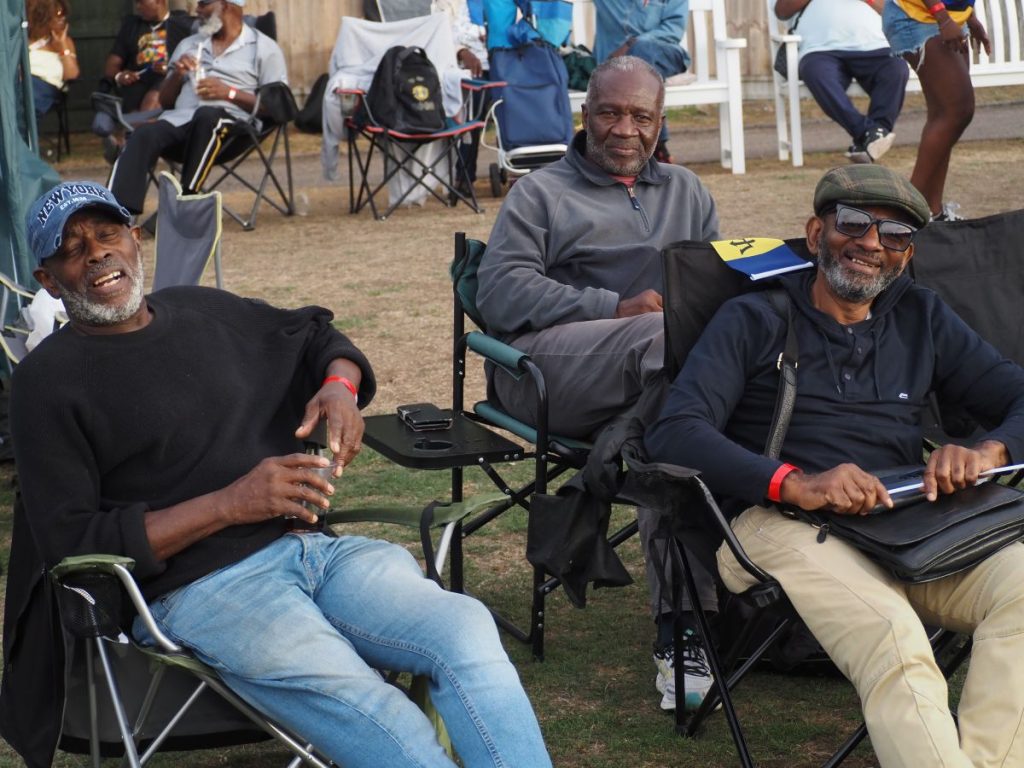
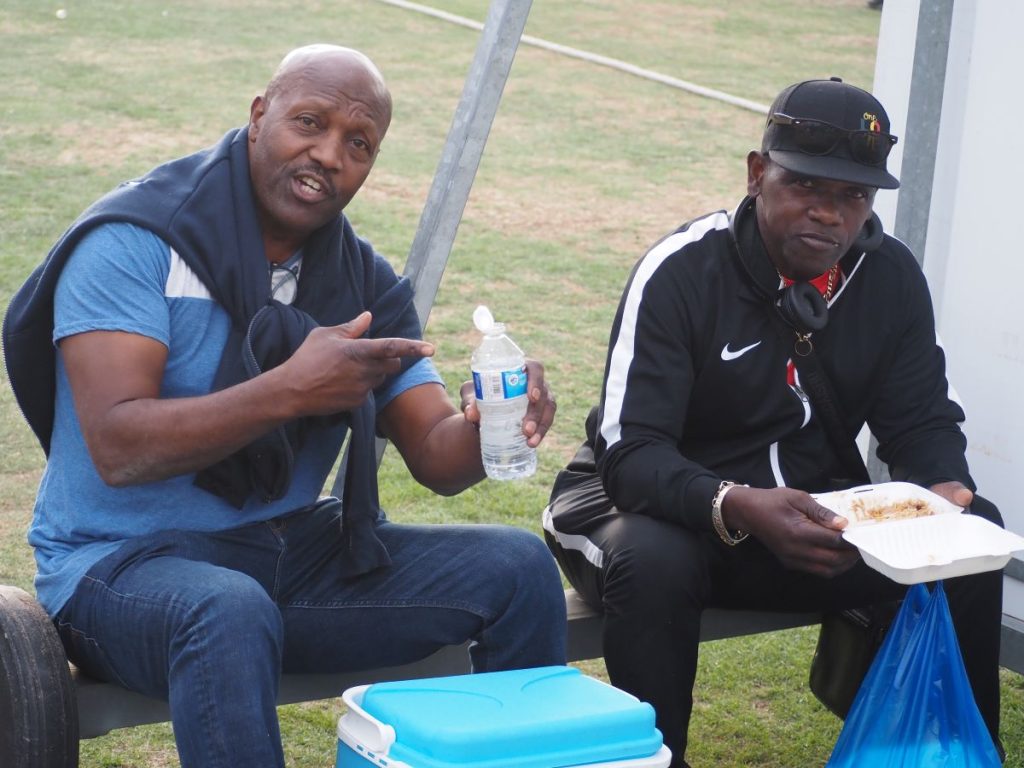
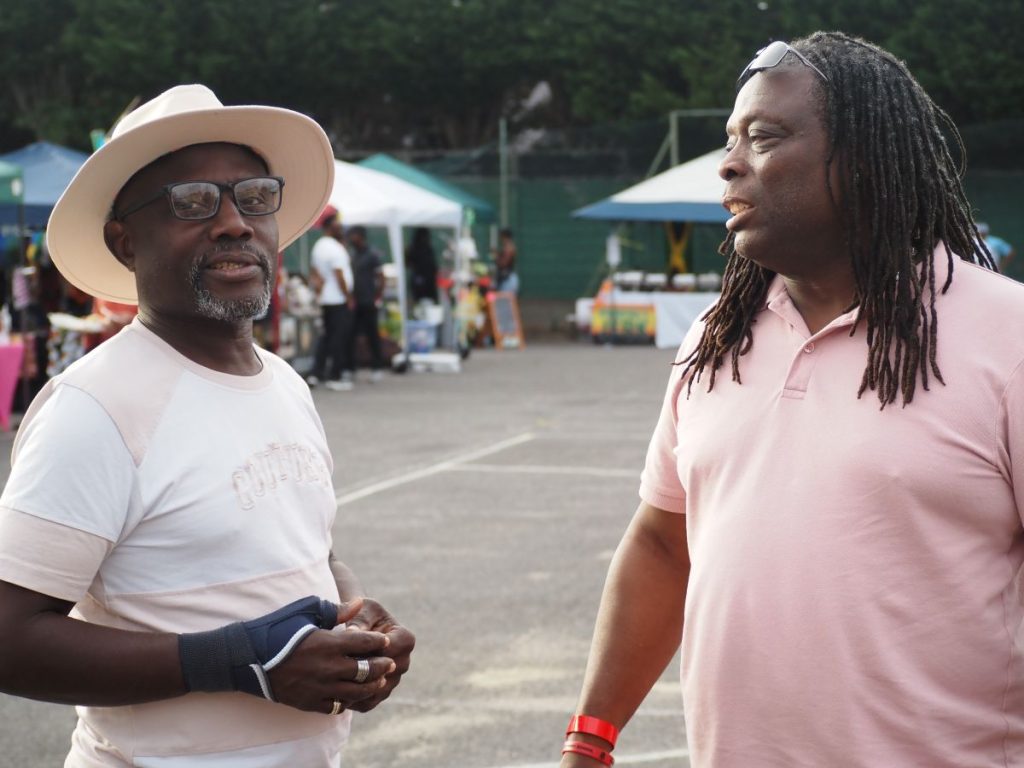
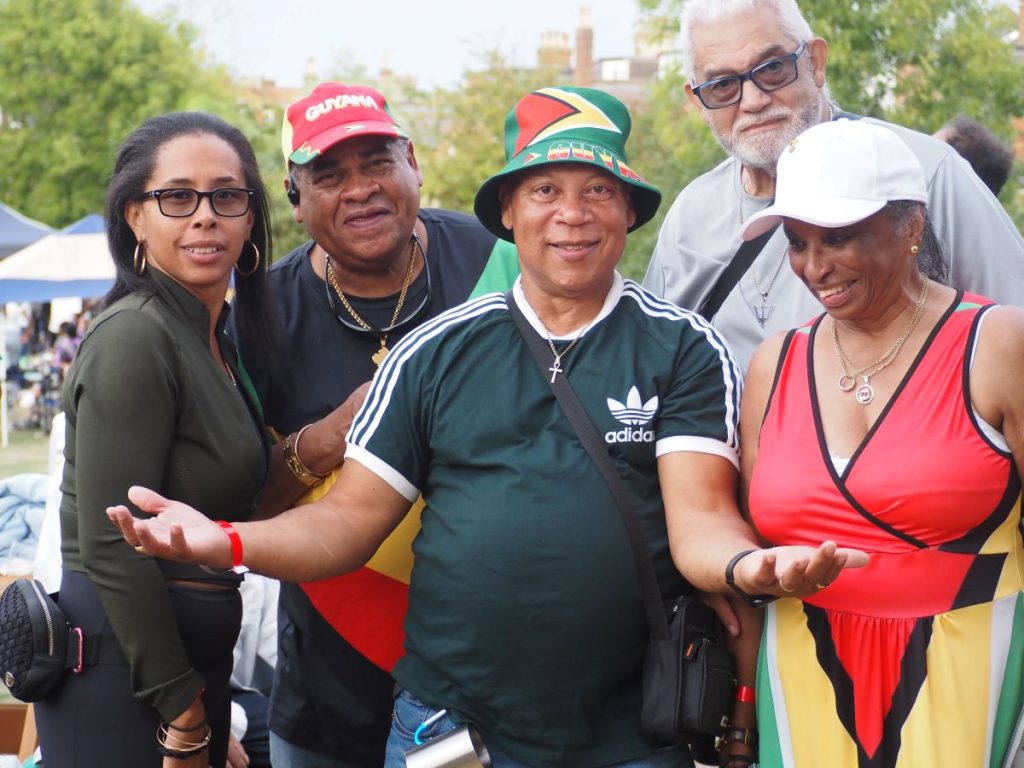
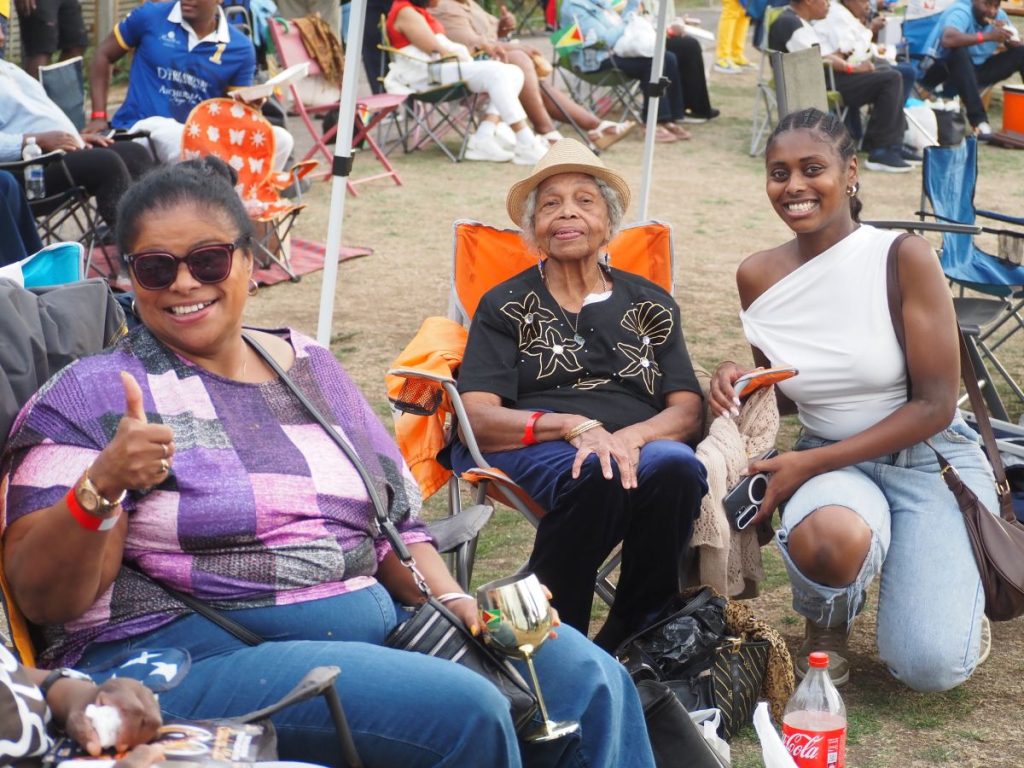
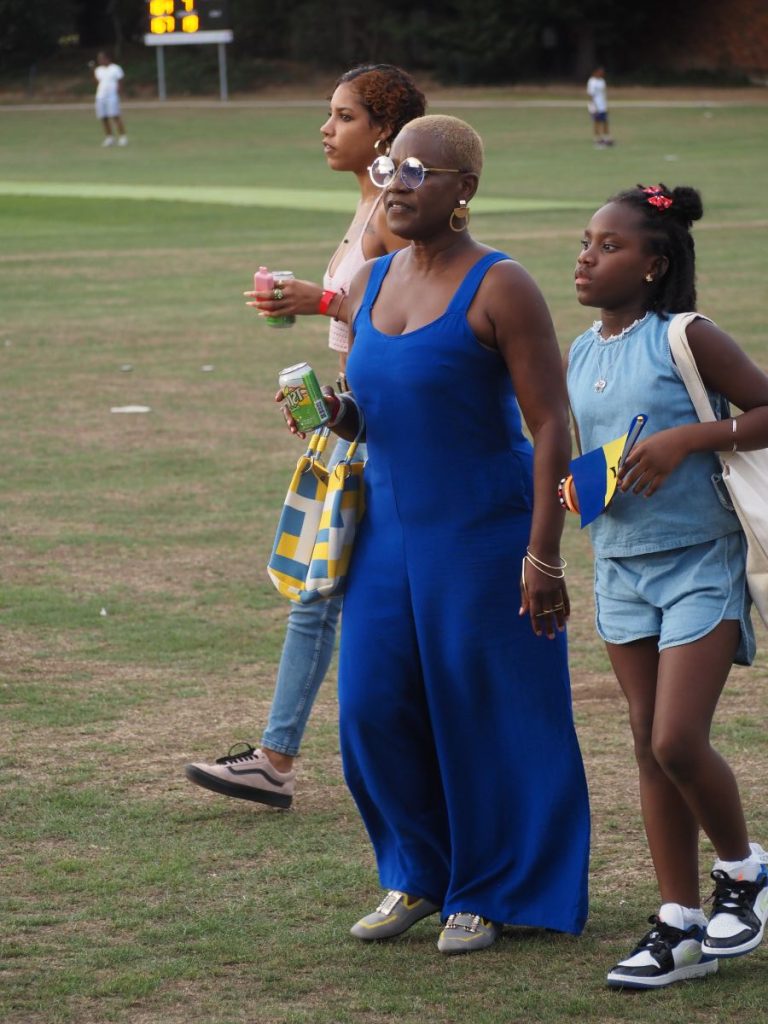
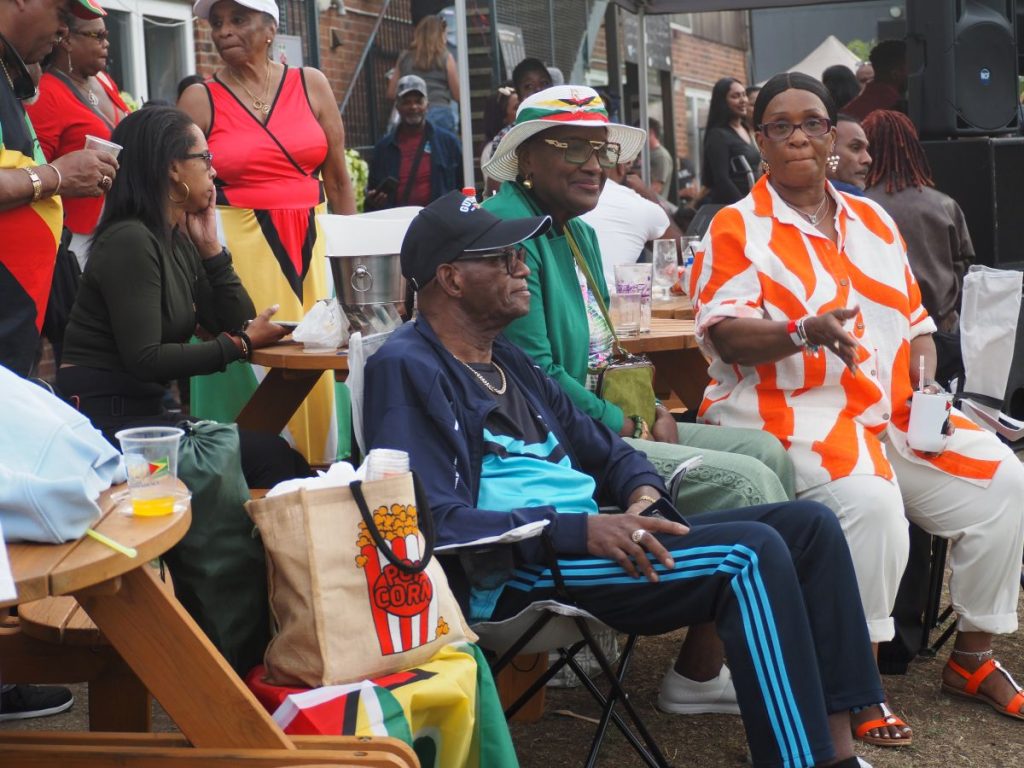
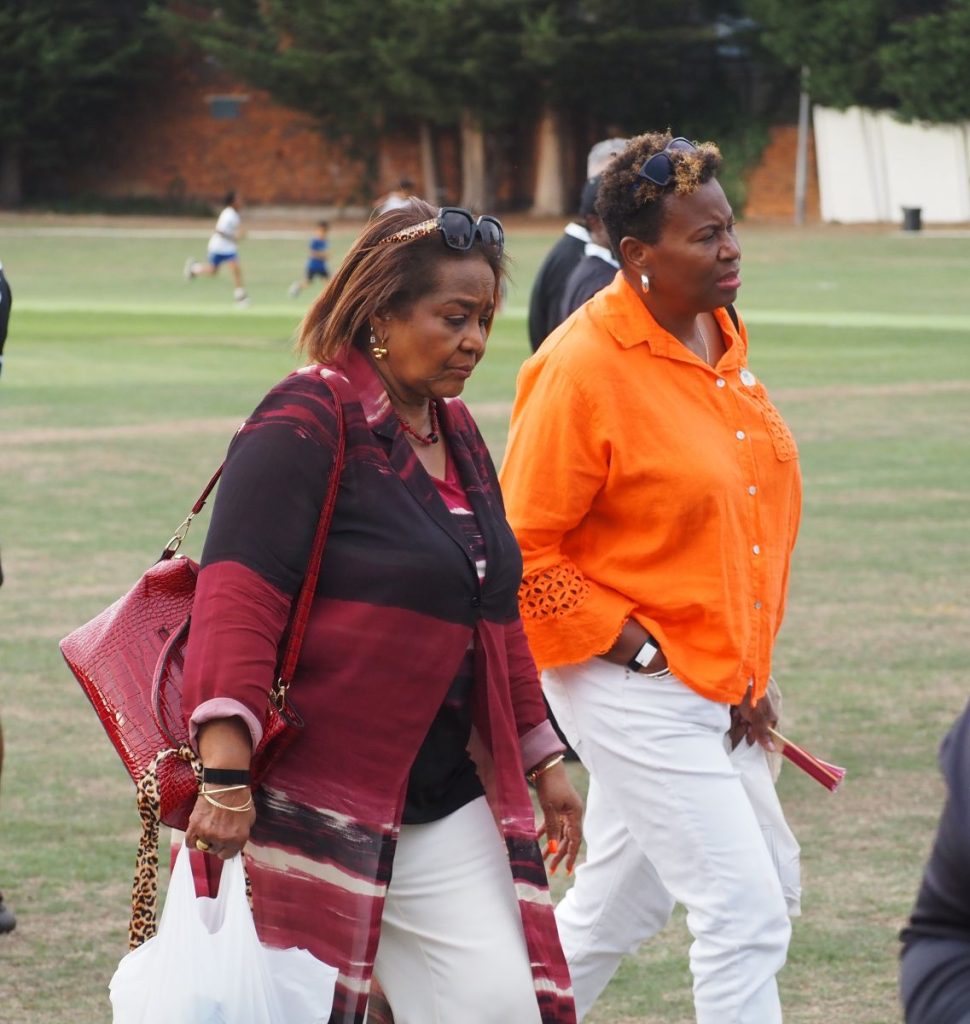
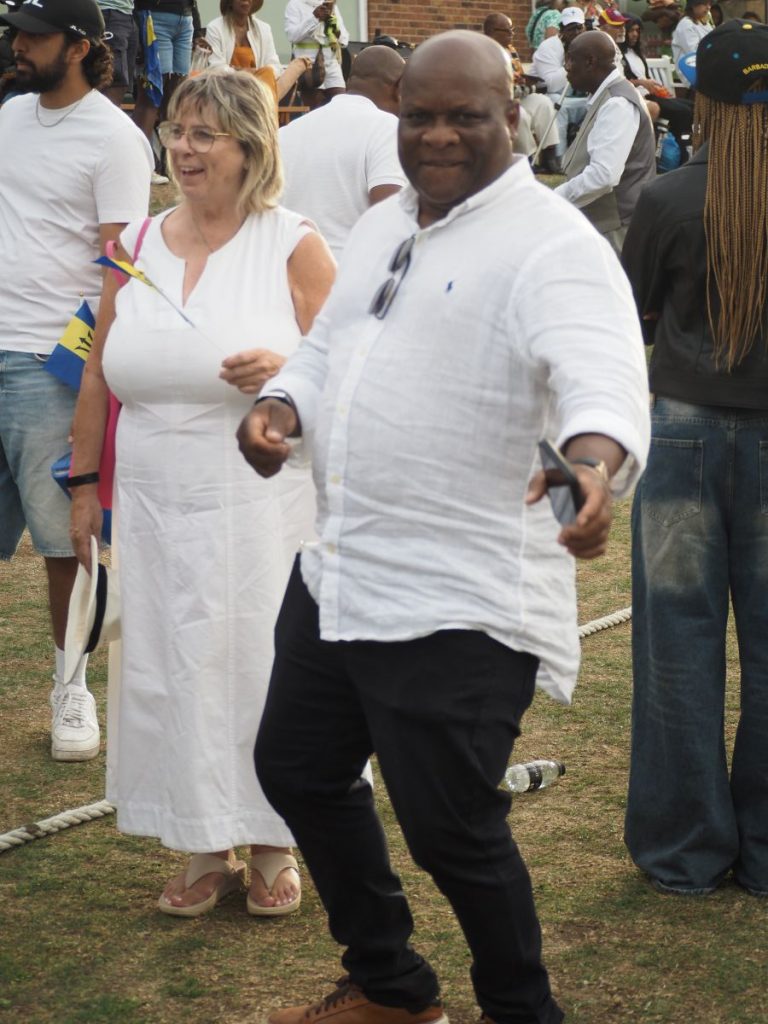
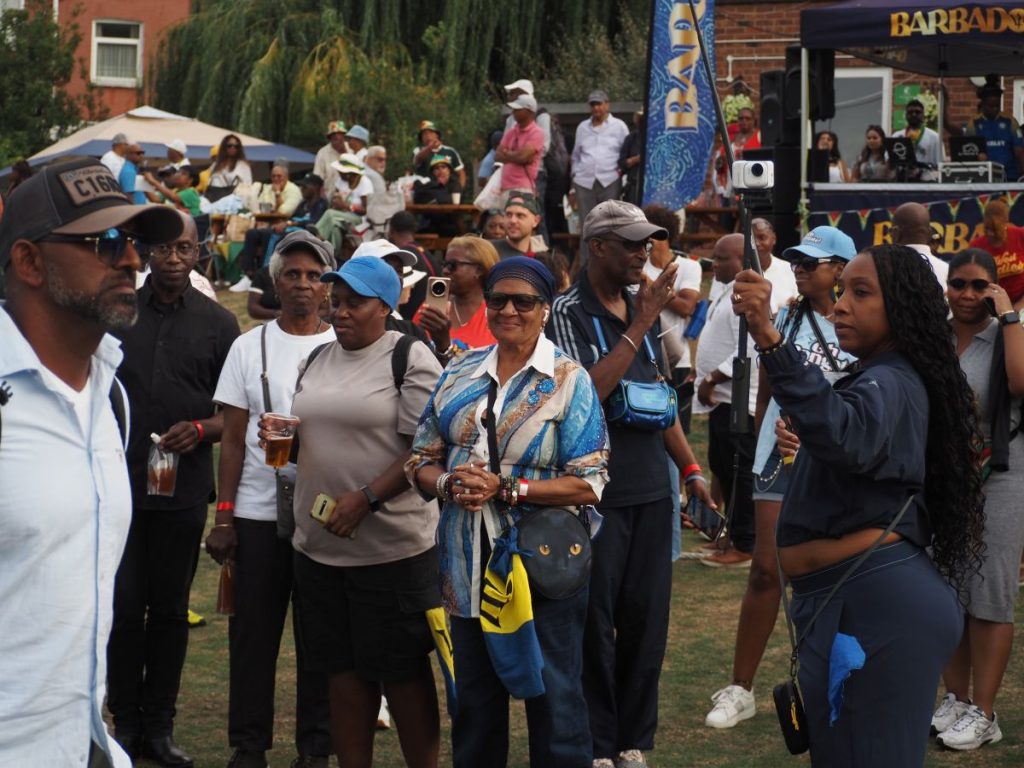
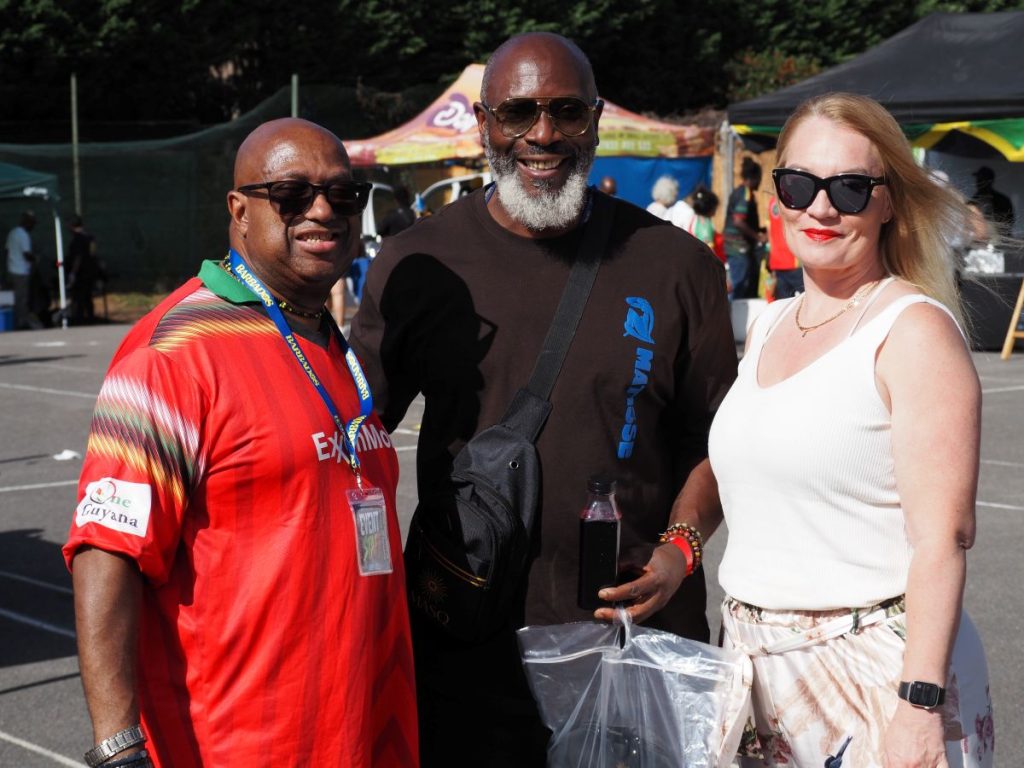
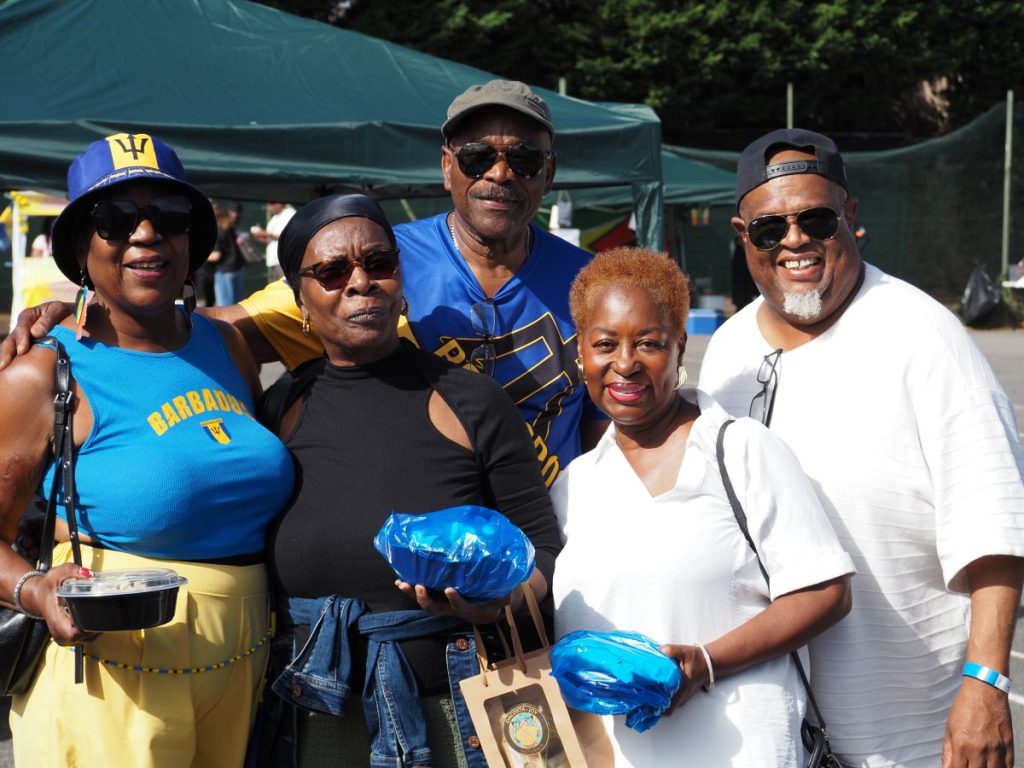
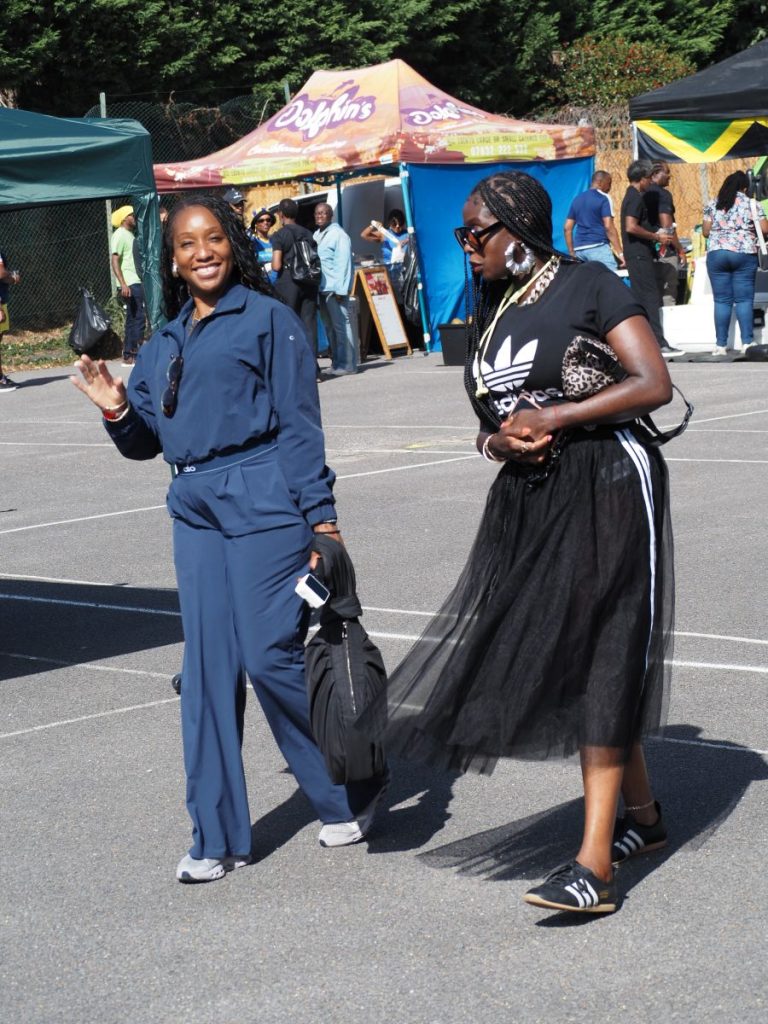
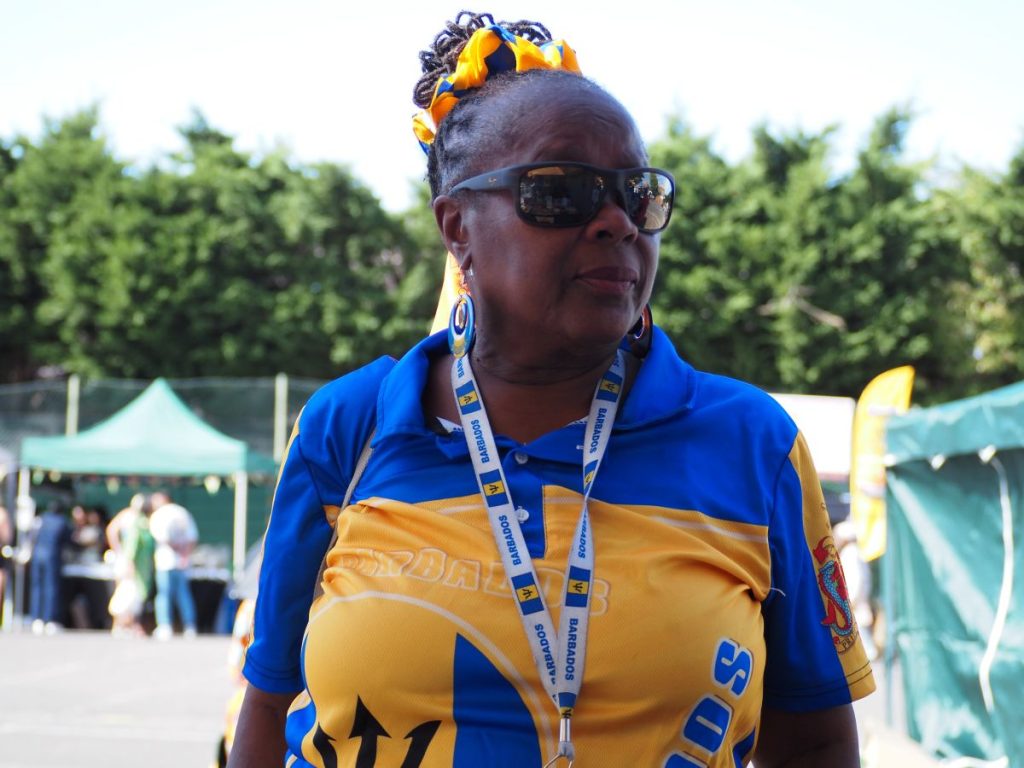
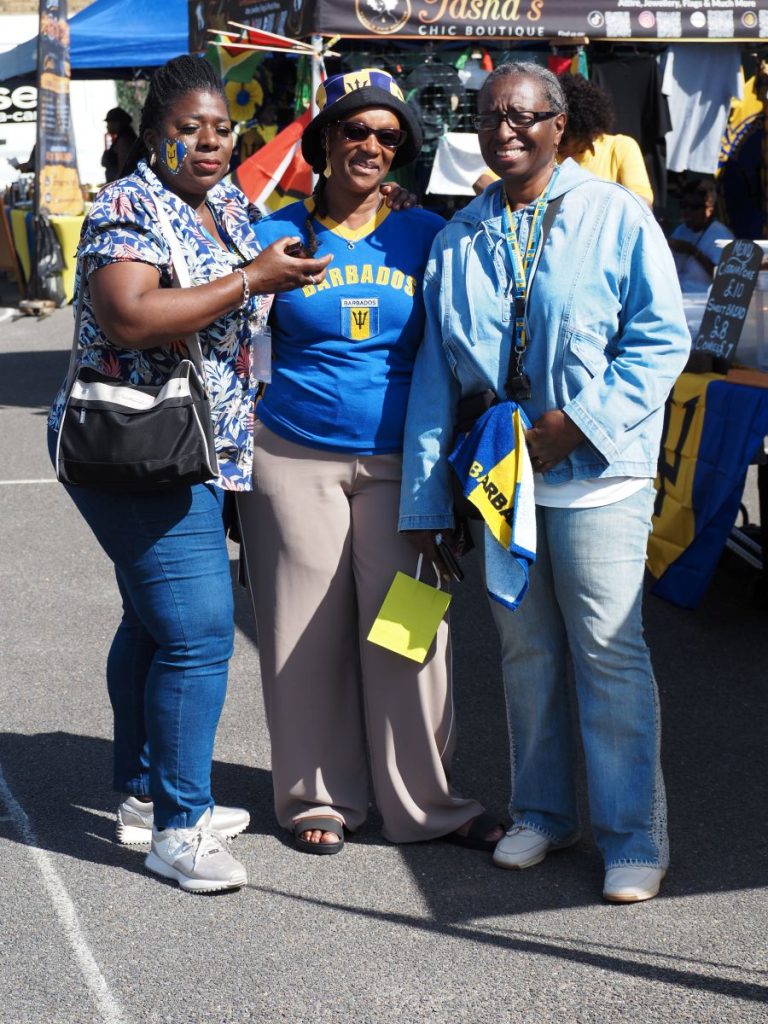
Over the past two decades, Barbados teams in the UK have played countless fixtures against a variety of opponents. But more than sport, cricket has evolved into one of the largest social and networking gatherings for Caribbean people. Many attendees barely watch the match; they come for the atmosphere, the food, the music, the friendship. Gazebos have become part of the modern scene, with colourful tents lining the boundary like miniature villages. In some ways, cricket has replaced the traditional seaside excursion: families pack coolers, chairs, flags and spend the entire day outdoors, catching up with friends old and new.
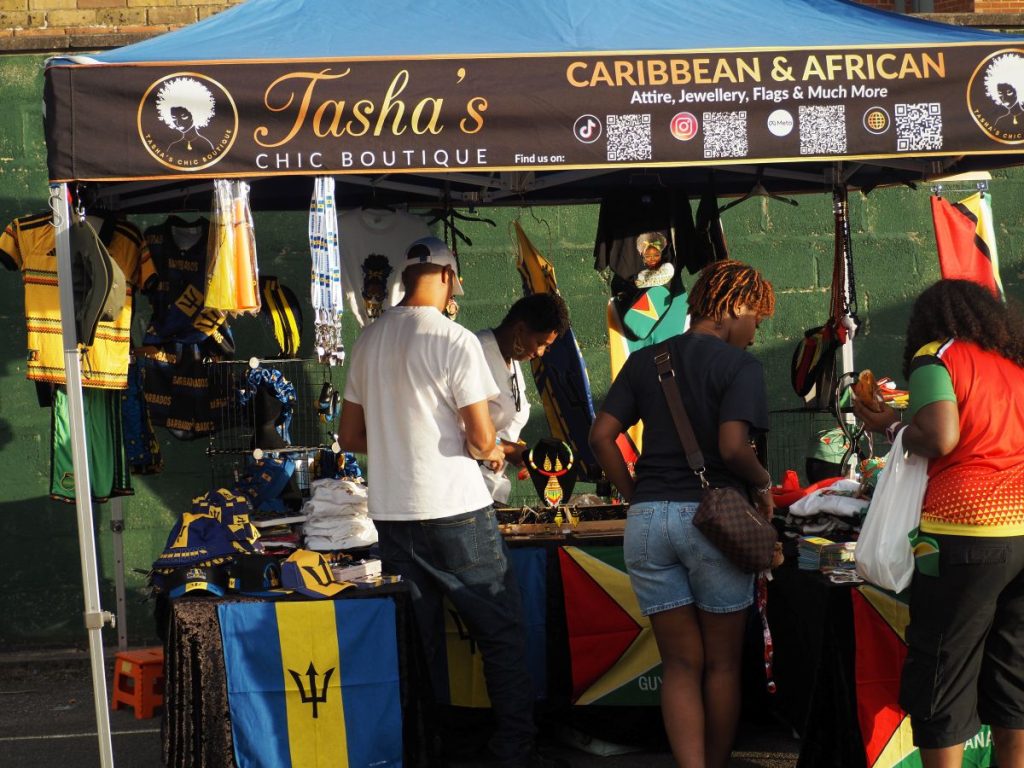
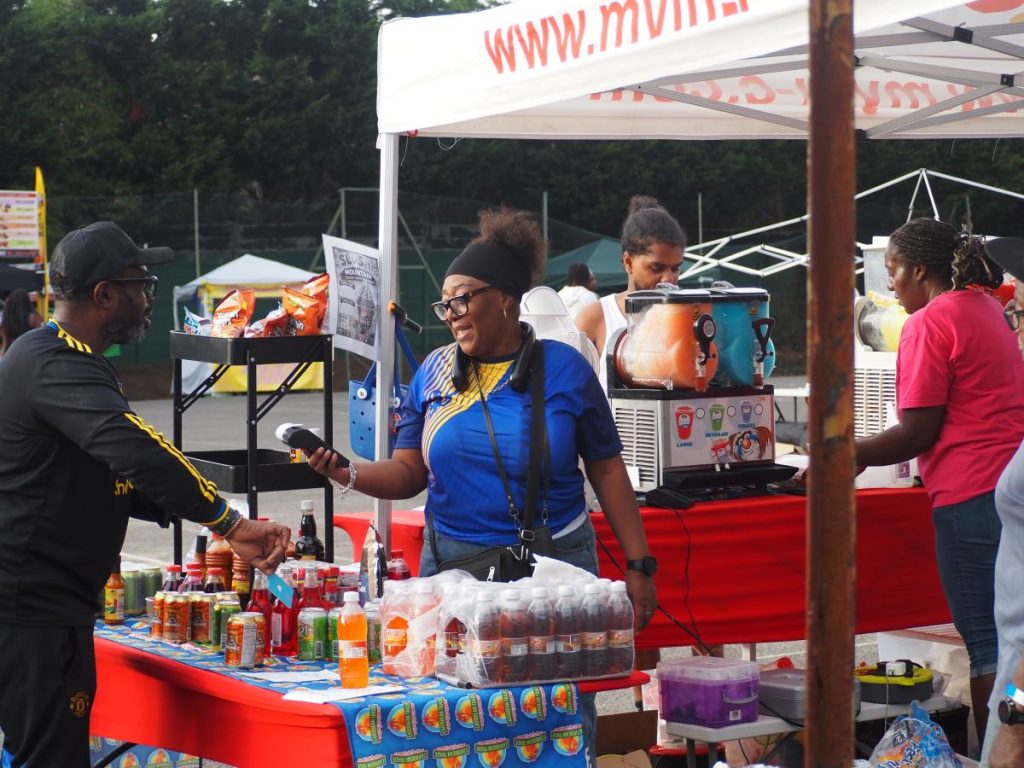
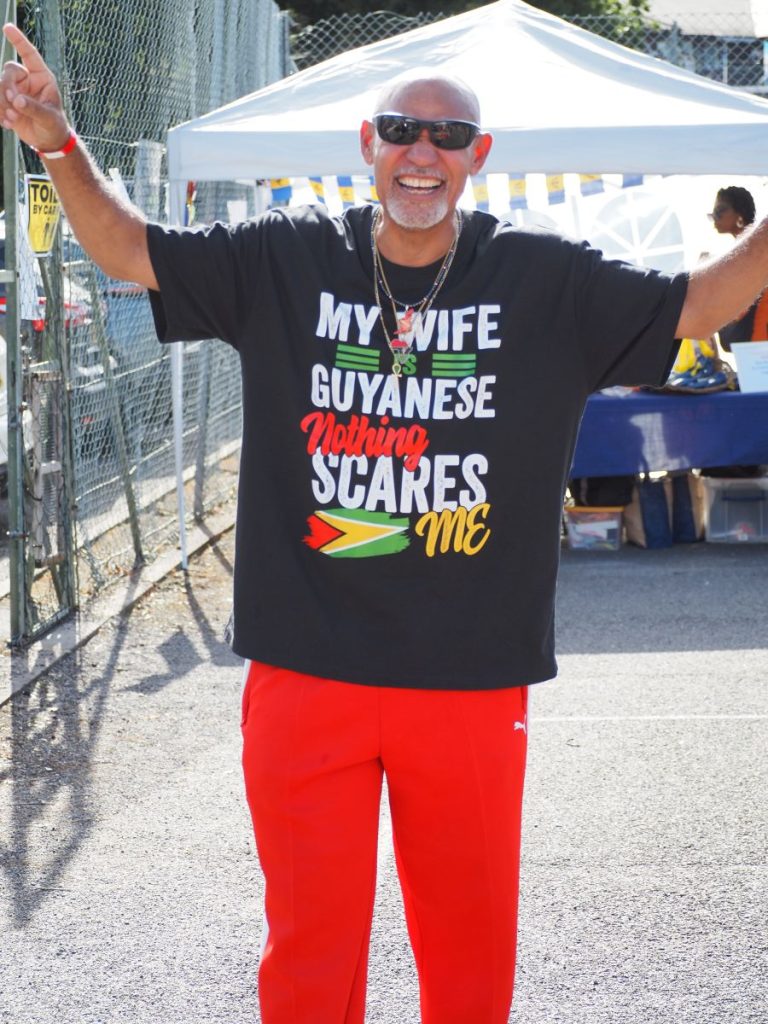
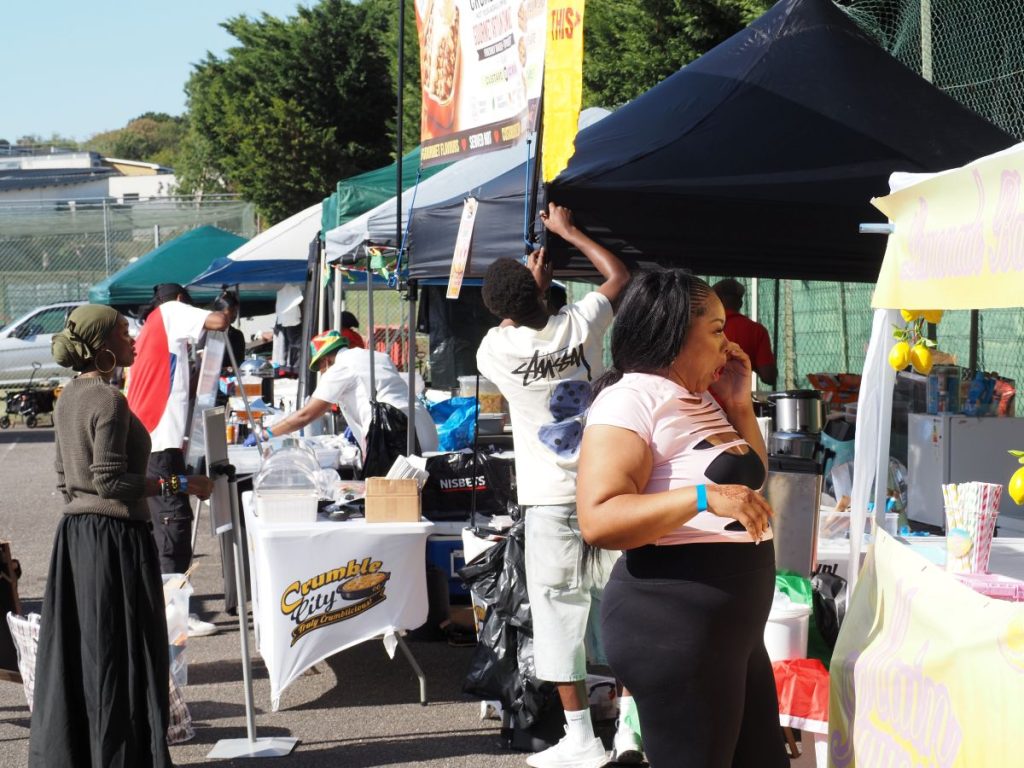
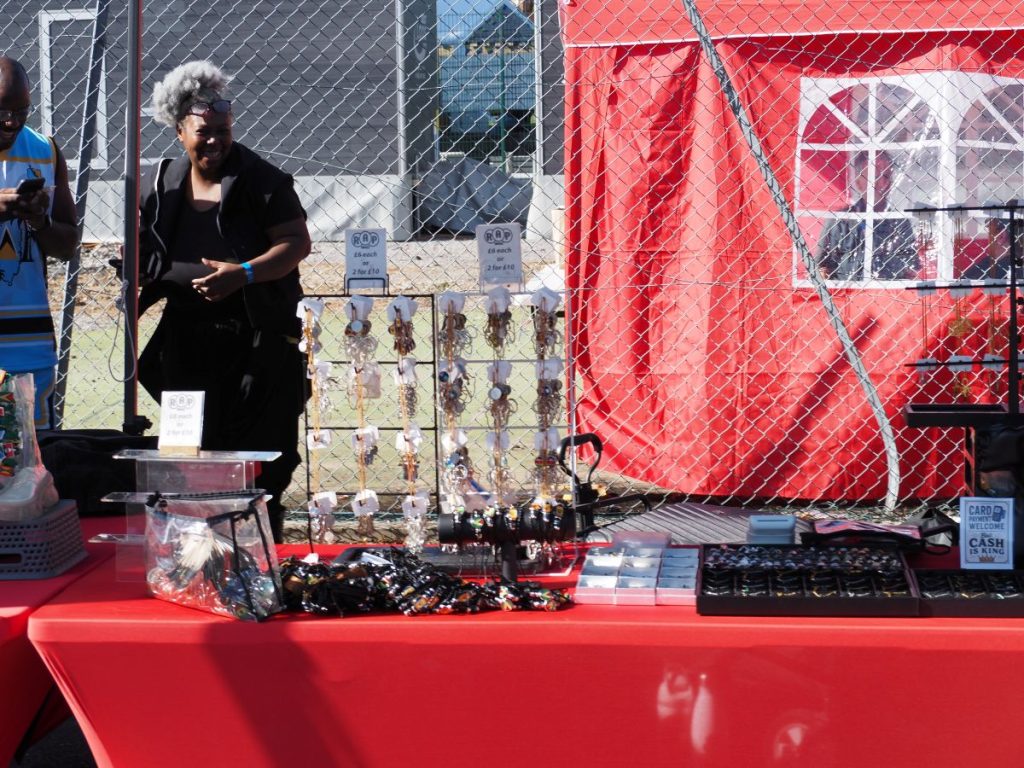
Food stalls from both Barbados and Guyana added to the celebratory atmosphere, serving favourites that evoked memories of home. Arts and craft vendors displayed handmade jewellery, textiles, books, cultural merchandise, and national colours, turning the boundary edge into a lively marketplace of Caribbean creativity. Music permeated the air. Soca and reggae from both countries and across the Caribbean pulsed through the ground between overs, DJs trading rhythms and teasing the crowd into movement.
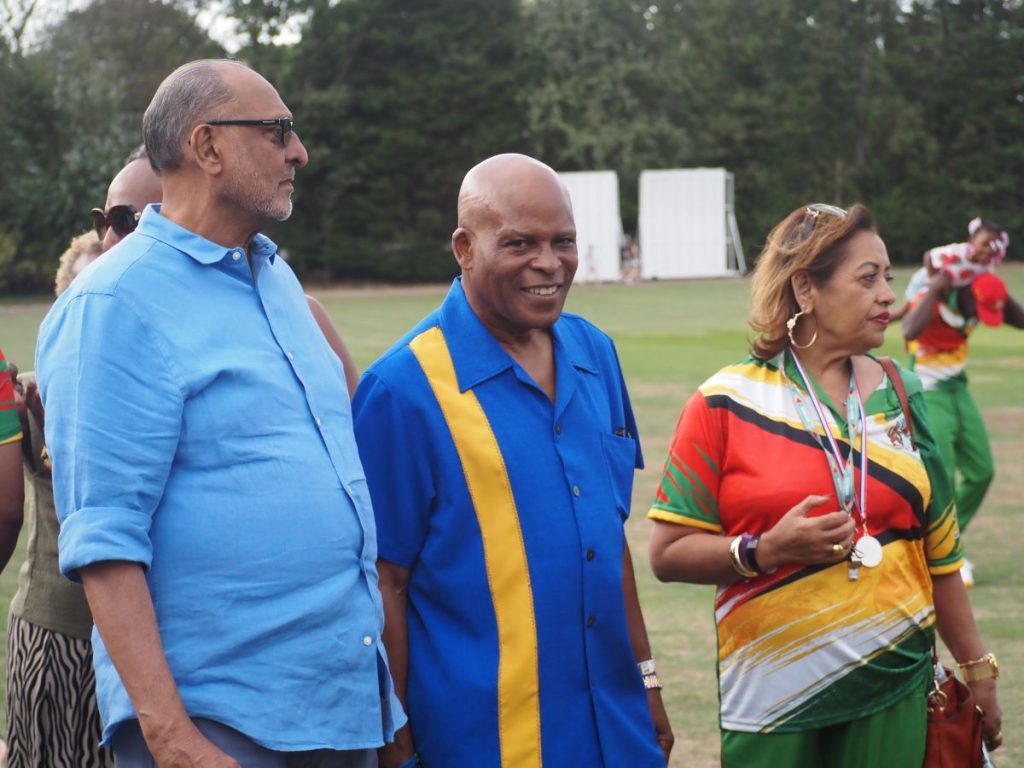
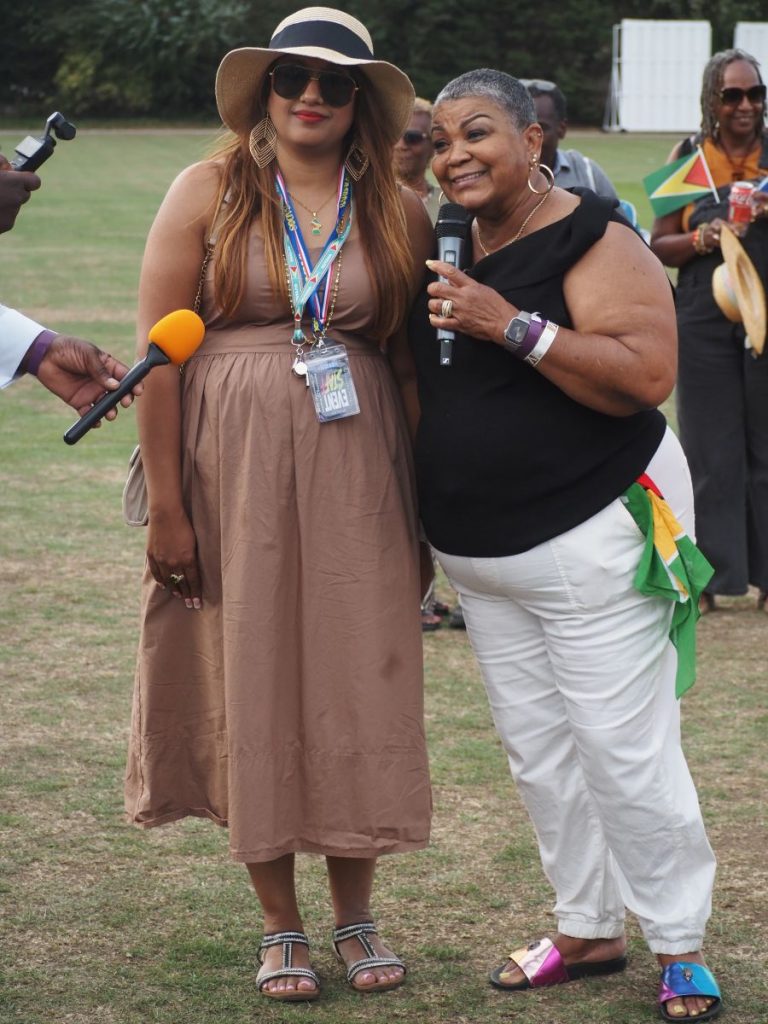
Commentator Jeff Hinds reflected the spirit of the day: “The Republic of Barbados and Guyana celebrated their respective 60th Anniversaries of Independence at the Hornsey Cricket Club in North London with a special commemorative T20 Cricket Match under the distinct patronage of Their Excellencies His Excellency Dr Rajendra Singh, High Commissioner of the Co‑operative Republic of Guyana to the United Kingdom, and His Excellency Edmund Hinkson, S.C., High Commissioner of Barbados to the United Kingdom.”
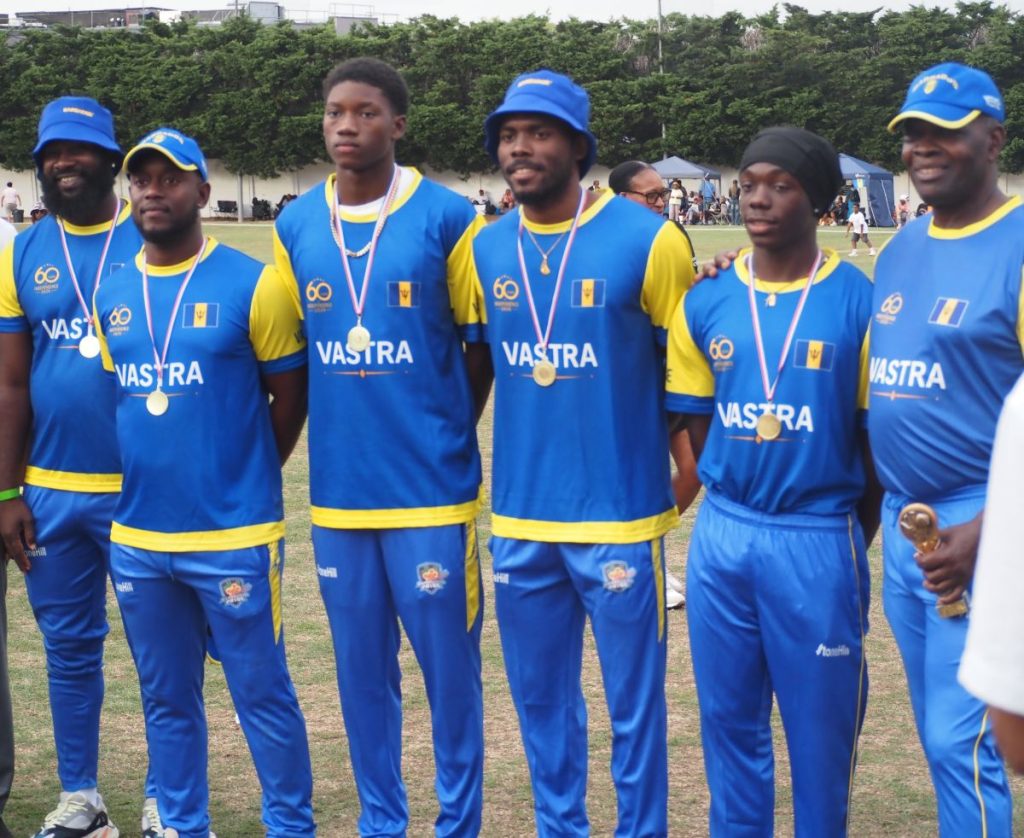
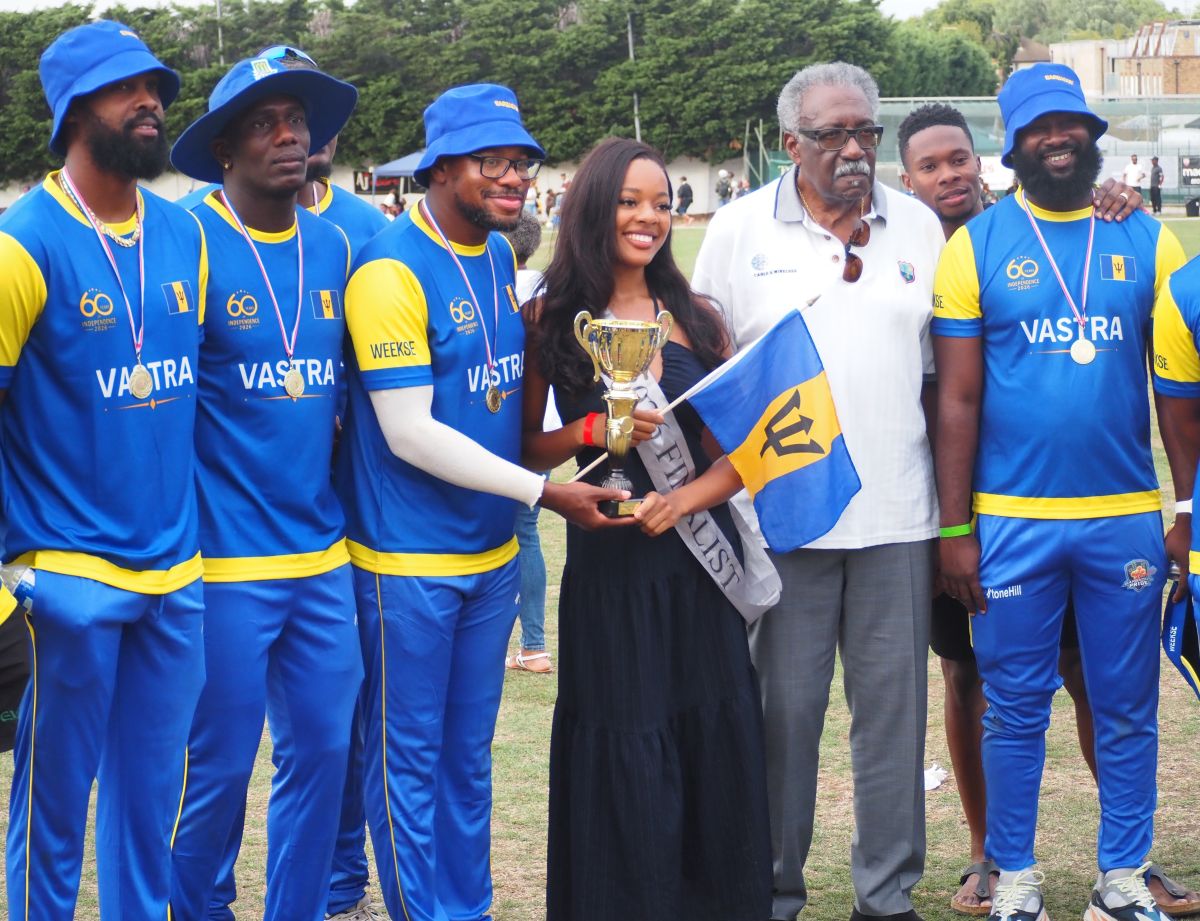
The weather cooperated beautifully, supplying a warm, bright backdrop for what became a compelling contest. Guyana won the toss and elected to bat, posting a competitive 167 from their twenty overs. Barbados began their chase with confidence, at one point appearing to cruise toward a comfortable victory. But cricket, as ever, thrives on drama. A burst of sharp Guyanese bowling and an unnecessary run‑out tightened the screws, leaving Barbados needing four runs from the final two balls. The penultimate delivery produced a thick outside edge that flew past a deep third slip and wide third man, racing to the boundary. Barbados claimed an extraordinary, hard‑earned win that will be remembered for years. The presentation ceremony saw His Excellency Dr Singh and His Excellency Mr Hinkson present the awards to the Barbados XI and Guyana XI, with West Indies great Sir Clive Lloyd and former international Collis King, who coached Barbados XI, also taking part.
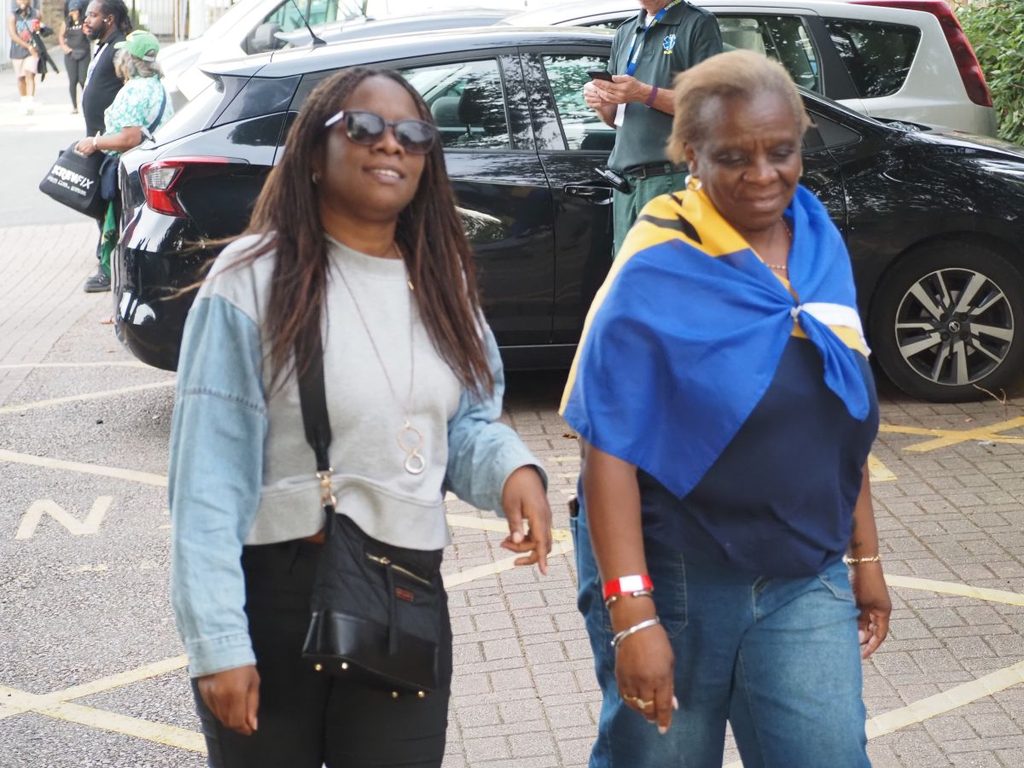
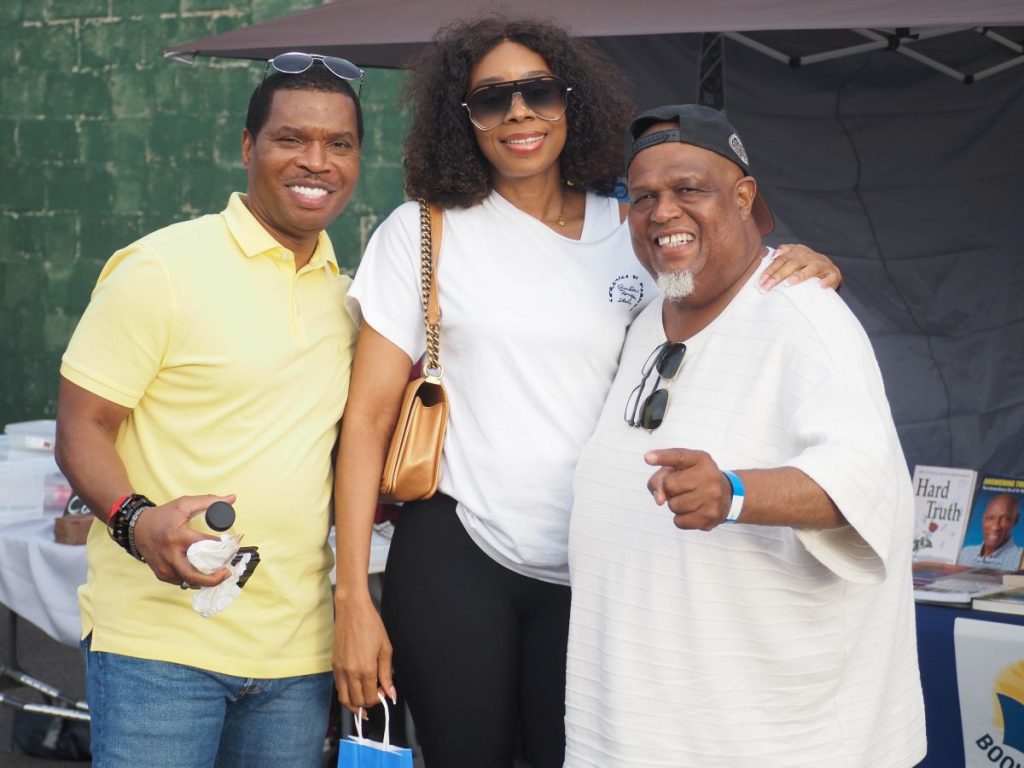
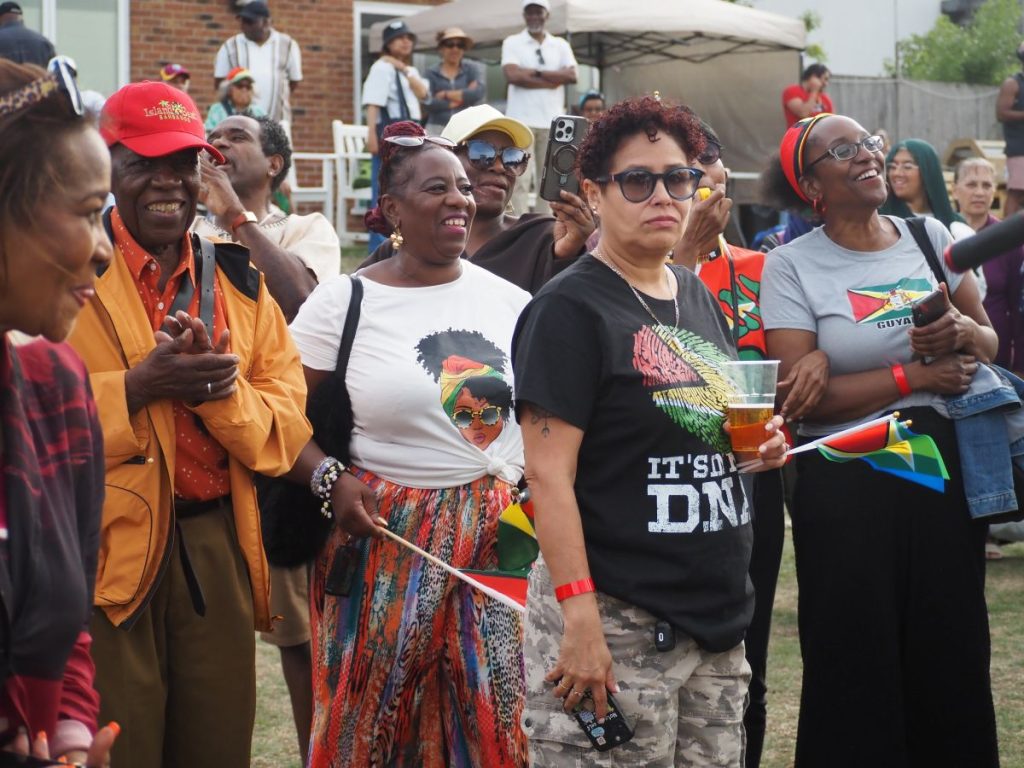
As afternoon turned to evening, cricket became the heartbeat of a larger celebration. The crowd, shaped by decades of migration, resilience, and cultural pride, stood as living proof of communities that built new lives in Britain while keeping their heritage close. Soca, laughter, friendly rivalry, and the aroma of Caribbean food drifting across the boundary made the scene feel both familiar and fresh. It was the kind of day that ended too soon, leaving people wanting one more song and one more shared moment.
This was more than a game. It showed how cricket has connected generations of West Indians in the UK, proving how sport can become culture, and culture can become legacy. Sixty years on, Barbados and Guyana continue to shape their own futures. Yet on this London field, among gazebos, music, craft stalls, and the rhythms of Caribbean life, past and present came together in perfect harmony, united by the sport that has always bound them.
After the presentations, the DJ kept rapping rather than playing the continuous music that was expected. Spectators took it in stride, and the moment became part of the day’s charm: another expression of the living culture around Caribbean cricket in Britain.