


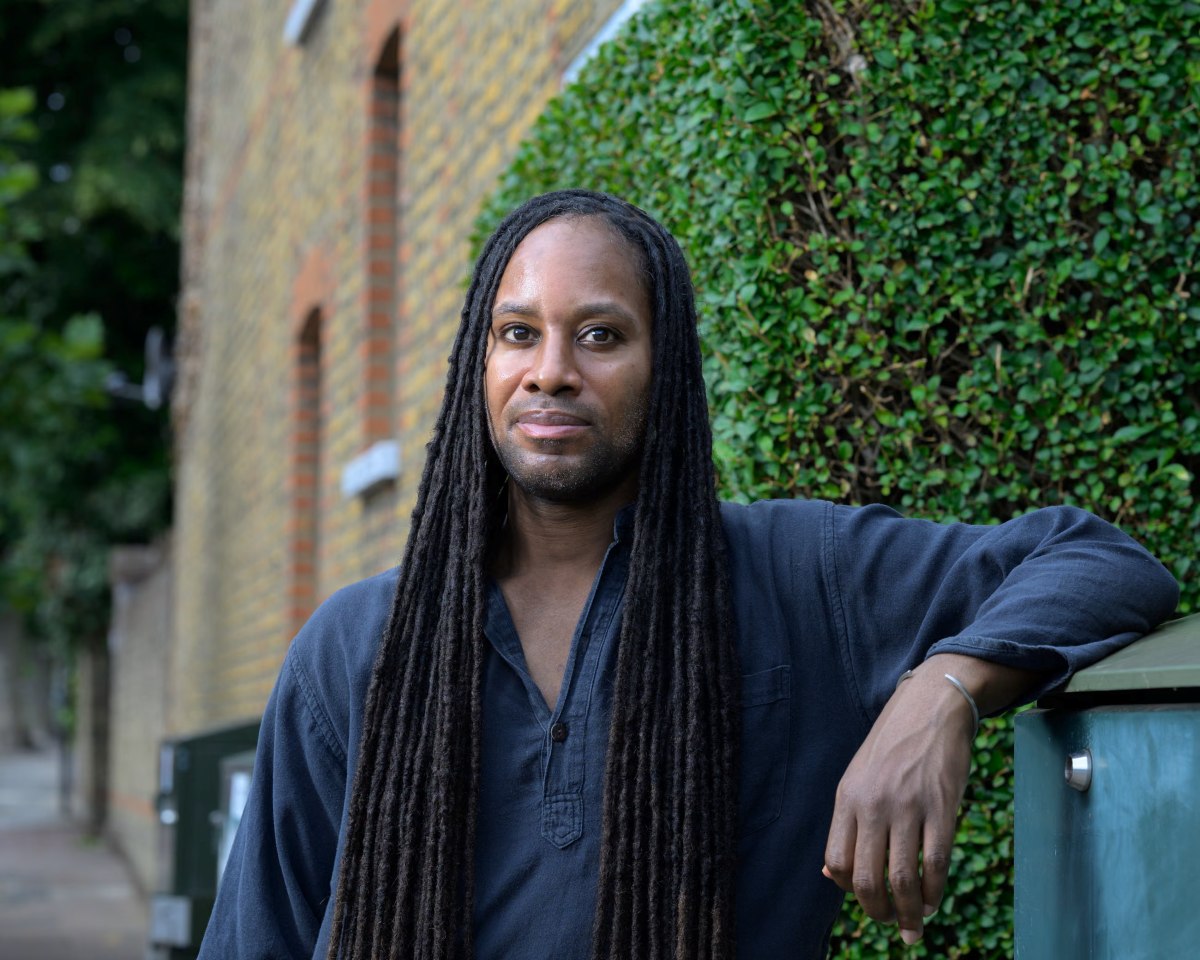
Jason Arday, the former University of Cambridge professor who resigned amid allegations of plagiarism and questions over parts of his biography, has been found dead at the age of forty-one.
Arday was found unresponsive at an address in Battersea, south London, on Friday afternoon and was pronounced dead at the scene. The Metropolitan Police said his death is being treated as unexpected but is not believed to be suspicious. The police will prepare a file for the coroner.
His death came after weeks of intense public scrutiny. Arday had resigned earlier this month as professor of sociology of education at Cambridge after allegations that parts of his academic-related work had been plagiarised. He joined the university in 2023 and was widely reported to be its youngest Black professor.
He had also faced claims that elements of his personal story and achievements, including aspects of his charity work and sporting record, had been exaggerated or misrepresented.
In a statement issued through his publisher, Simon & Schuster UK, Arday’s family said he had been subjected to “a campaign of sustained abuse” since accepting the Cambridge post. They described him as “a gentle man” and said the “campaign of misinformation” had become too much for him.
“We are in shock to have lost this amazing father, partner, brother, uncle and son,” the family said, asking the press to leave them alone and to stop what they described as harassment of Arday and his relatives.
The Metropolitan Police said the London Ambulance Service called officers at 3.12 pm following a report that a man had been found unresponsive inside a property in SW8. His next of kin have been informed, and officers are supporting them.
A spokesperson for the London Ambulance Service said it had been called shortly after 3 pm to reports of an incident and that a person was pronounced dead at the scene.
In his first interview after the plagiarism allegations emerged, Arday told The Times that the portrayal of him as “a liar and fantasist” was “totally unacceptable.” In an open resignation letter, he said the years since his appointment had been characterised by “unrelenting” public scrutiny alongside personal attack.
He wrote that criticism was part of academic life, but said the accusations, speculation and public commentary had gone far beyond scholarly disagreement and had taken “a severe toll” on him and those close to him.
Arday had said he was non-verbal until the age of eleven and unable to read or write until the age of eighteen. He later completed a PhD at Liverpool John Moores University and held academic posts at Durham University and the University of Glasgow before moving to Cambridge.
Many of the contested claims appeared in his memoir, Great and Unfortunate Things, published in the United States this week and due to release in the UK this month.
After Arday’s resignation, attention turned to Cambridge and the institutions that awarded him qualifications. Cambridge initially described criticism of him as a “vile campaign,” a response understood to have been influenced by racist abuse directed at him. The university later announced investigations into his appointment and a broader review of senior academic recruitment procedures.
Professor Deborah Prentice, Cambridge’s vice-chancellor, said she was “desperately saddened” by Arday’s death and offered sympathy to his family and friends. Lucy Powell, the education secretary, also expressed condolences and urged people to respect the family’s privacy.
Some Cambridge academics have argued that the university must be responsible for any mistakes in how it managed the case. Priyamvada Gopal, professor of postcolonial studies at Cambridge’s English faculty, said the matter was “an institutional story” and called for any investigation to be independent, transparent, and accountable to the Cambridge community.
The controversy has also affected other Black academics and public figures associated with Cambridge. As questions widened from Arday’s conduct to the university’s appointment processes, criticism also began to focus on those who supported him or worked alongside him.
That wider focus has raised concerns about a backlash in which Black academics at Cambridge are drawn into public controversy by association. The debate has therefore become not only about one individual case, but also about how institutions protect standards while avoiding disproportionate scrutiny of minority scholars.
Among those affected by the wider fallout are figures such as Sonita Alleyne, the Master of Jesus College, and Lord Simon Woolley, the Principal of Homerton College, both of whom have Barbadian heritage. Both are prominent Black leaders within Cambridge’s college system, and the controversy has renewed attention on representation, institutional judgment and the pressures faced by senior minority figures in public life.
For Alleyne and Woolley, the impact lies less in any direct allegation against them than in how the dispute has widened into a debate about Cambridge’s culture, governance, and treatment of Black academics. Their visibility within the university means they may be drawn into questions about how the institution responds to criticism, defends due process, and maintains assurance among staff, students and the wider public.
Bell Ribeiro-Addy, the Labour MP for Clapham and Brixton Hill, told Sky News that Arday had been the victim of a media “witch hunt” and said Cambridge had questions to answer about its handling of the allegations. She argued that the university had appointed and celebrated him before subjecting him to further investigation once the controversy intensified.
Jo Maugham, executive director of the Good Law Project, said Arday’s death was “a tragedy for him and those who loved him.” He said people around Arday had warned media organisations about the risks of sustained pressure and questioned the public interest in continuing to pursue him after he had resigned.
Speaking to Sky News, Maugham said he was “pretty devastated” and had been in regular contact with Arday in the weeks before his death. Arday, meanwhile, continued to deny deliberately misleading anyone. “I am accountable for the mistakes I’ve made,” he told The Times. “What I am not is a liar.”
Durham University, where Arday worked between 2019 and 2022, said it was “shocked and terribly sad” to learn of his death. The university remembered him as “a kind and warm person” who sought to promote opportunities for PhD students.
The University of Glasgow, where he also taught, said it was deeply shocked and saddened by the death of its former colleague and offered sympathy to his friends and family.
Arday’s death leaves unanswered issues about academic standards, institutional accountability, racism, disability, media obligations, and the pressures placed on high-profile academics. It also leaves Cambridge facing renewed scrutiny over how it appoints senior scholars, responds when concerns surface and safeguards individuals against abuse while upholding rigorous standards.
The wider impact on figures such as Sonita Alleyne and Simon Woolley shows how quickly an individual controversy can broaden into a debate about representation and institutional trust. For Cambridge, the challenge now is to ensure that any review is credible, independent, and fair, while recognising the human consequences of public scrutiny surrounding the case
