


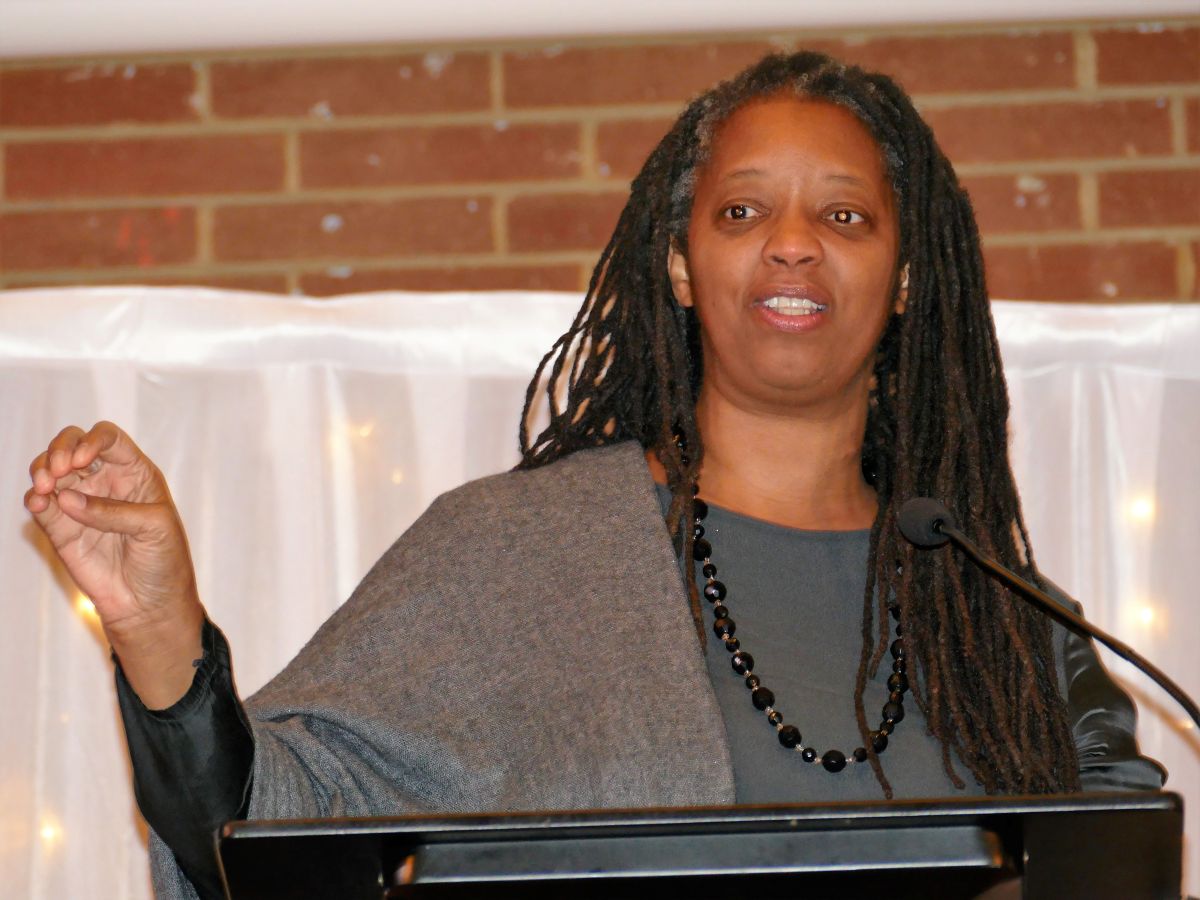
The resignation of Professor Jason Arday from the University of Cambridge has prompted renewed scrutiny of the institution’s appointment processes. Among those caught up in the debate is Sonita Alleyne, OBE, Master of Jesus College. Alleyne, who was born in Barbados and became the first woman to lead the college in its more than 500-year history, experienced criticism and online abuse during the controversy. Posts circulating her contact details appeared online amid claims about her alleged involvement in the processes surrounding Arday’s recruitment to Cambridge.
The extent of Alleyne’s role in those processes has been disputed. Nevertheless, her experience illustrates how attention shifted from allegations concerning one academic to scrutiny of other senior university figures. To observers of the dispute, this shift has prompted questions about the boundaries between legitimate examination of institutional decision-making and personalised criticism of individuals.
Lord Simon Woolley, principal of Homerton College, was also drawn into the controversy. Woolley, whose mother is from Barbados, became associated with the debate after signing an open letter defending Arday against allegations relating to plagiarism and claims about aspects of his professional record.
As scrutiny of the case intensified, reports showed that Woolley removed his institutional title from the letter while keeping his signature. Alleyne subsequently withdrew her name from the document altogether.
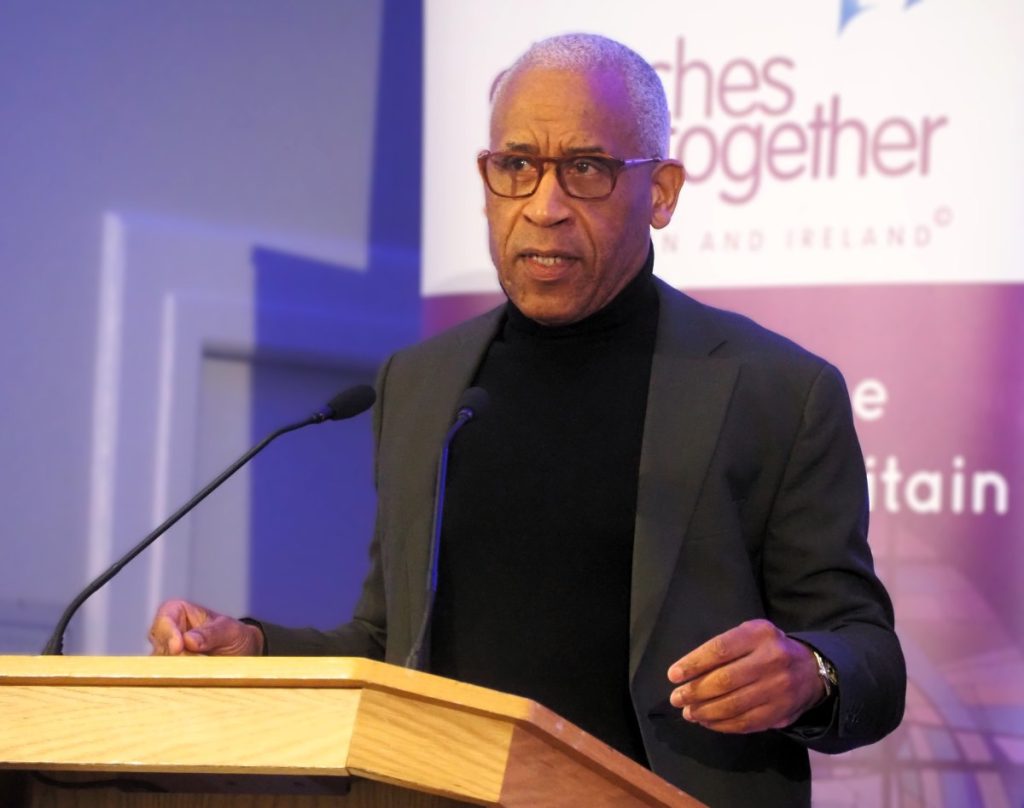
Neither Alleyne nor Woolley is the subject of the allegations being investigated by Cambridge. However, their involvement shows how controversies centred on prominent individuals can extend to colleagues, supporters, and institutional leaders in the wider discussion.
As allegations concerning his academic-related work and aspects of his public biography attracted greater attention, discussion widened beyond Arday to include individuals associated with his appointment and those who publicly expressed support for him.
This set of implications has been noted by several academics. Richard Drayton, Professor of Imperial and Global History at King’s College London, argued that the reputational consequences of the affair could go beyond those directly involved. He expressed concern that the controversy may affect perceptions of other academics of African and Caribbean heritage who have achieved senior positions through their own scholarship and professional accomplishments.
Others have warned against drawing wider conclusions about diversity and inclusion initiatives from a single case. Alan Lester, Professor of Historical Geography at the University of Sussex, has warned that the controversy could be used to challenge broader equality programmes. Kehinde Andrews, formerly Professor of Black Studies at Birmingham City University, has similarly argued that suggestions that Black academics routinely benefit from unfair advantage are both inaccurate and harmful.
At the same time, many commentators have stressed that concern about the wider implications of the case should not prevent careful examination of the allegations themselves. Universities are expected to uphold strong standards of recruitment, research integrity and professional accountability regardless of an individual’s background.
Cambridge’s difficulty is that both issues now sit alongside one another. The university faces queries about its appointment and vetting procedures, and it is doing so in a highly polarised public environment in which discussions of race, merit and representation can quickly become politicised.
The controversy has also reached beyond academia. Metropolitan Police Commissioner Sir Mark Rowley acknowledged shortcomings in the force’s handling of a harassment complaint connected to reporting on the case, indicating the extent to which the dispute has intersected with questions of media conduct and public accountability.
CONCLUSION
Cambridge’s ongoing investigation may provide greater clarity about the circumstances of Arday’s appointment and the allegations that followed. However, the controversy has already shown how institutional disputes can have wider consequences for individuals who are not themselves the focus of the investigation.
.
