Cheshire is a county in Northwest England. According to the 2021 Census, between 94.4% and 95.3% of people living there identify as White. A county that is mostly rural, with dairy farms, woodlands, and many small lakes.
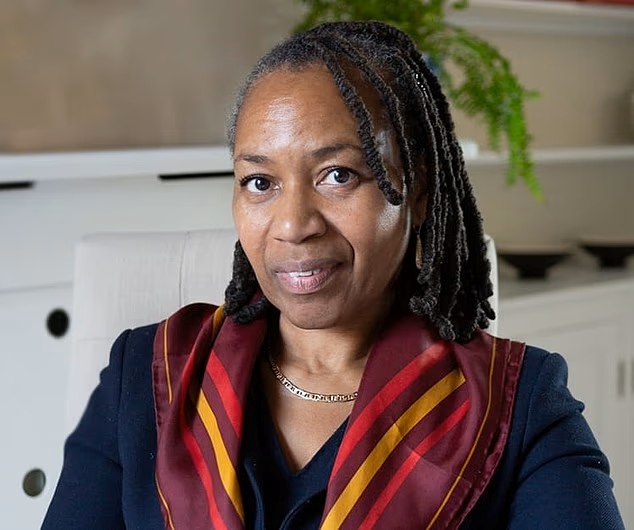
Jacqueline Devonish comes from a more diverse background. Born in South London to Barbadian parents, she is a mother of four sons. In 2022, she became the UK’s first Black female HM Senior Coroner for Cheshire, following previous roles as Suffolk’s Area Coroner and as a judge on the Solicitors Disciplinary Tribunal.
“Starting this role is a homecoming of sorts, as I previously studied at the College of Law in Chester. I have fond memories of the local area, and I want to bring energy and efficiency to the role to ensure that we provide the best possible service to the people of Cheshire.” She said after her appointment.
Presently, she leads a team of around 40 staff at the Coroner’s Court in Warrington and is praised for revitalising the service in Cheshire, particularly by reducing long waits for cases to be heard within the year’s deadline. The High Sheriff of Cheshire awarded her coronial team for the outstanding service standards
The role of coroner began in 1194 to help with tax collection, but the duties have changed a lot since then. They are investigative judges who conduct inquests into deaths that are sudden, unexplained, suspicious, violent, or happen in state detention. Their work is important but often less visible in the justice system. An inquest focuses on finding out what happened rather than assigning blame. The coroner talks to witnesses and reviews evidence to help explain the situation to the family and to prevent similar incidents in the future. If necessary, they can write Prevention of Future Deaths reports. Training also helps shape policy and offers advice to groups like authorities, police, healthcare workers, funeral directors, prisons, the Health and Safety Executive, and other agencies.
There are only a few coroners in the country, so the job is very competitive, especially for solicitors who have not worked in this field. Experience in coronial law, working in a coroner’s court, or serving as a fee-paid judge can help someone secure an appointment.
Today, coroners primarily investigate deaths under suspicious circumstances. Notable cases include the death of Manchester United’s Bobby Charlton, the shooting of Lucy Harrison in Texas, and, more recently, the Lucy Letby case led by Devonish. As a result, she regularly works with some of the most prominent KCs in the UK, requiring her to consistently perform at the highest level.
Devonish’s appointment matters in a field that has not had much racial diversity in the UK judiciary. Black legal professionals still face big challenges moving into senior roles, often called a “concrete ceiling” instead of just a “glass ceiling.” Law firms have become more diverse in their new hires, but there are far fewer Black professionals at the partnership and senior judiciary levels, especially in large, elite firms.
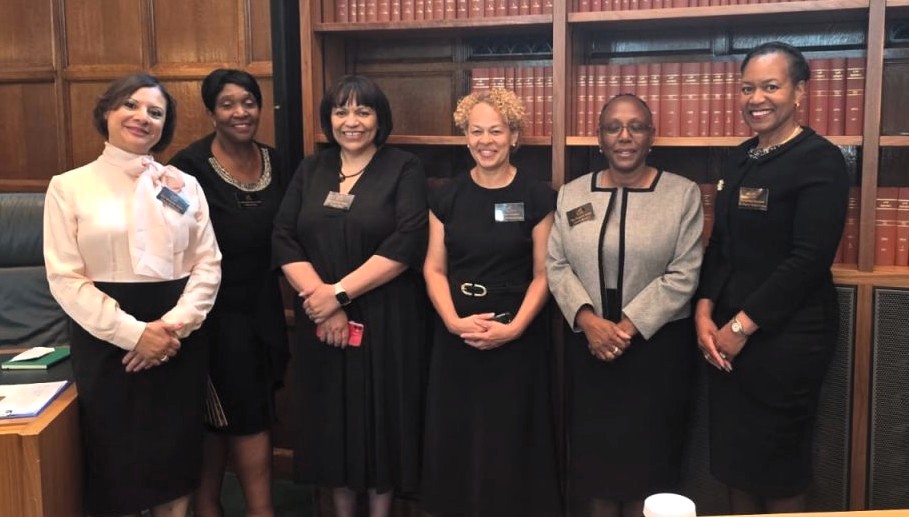
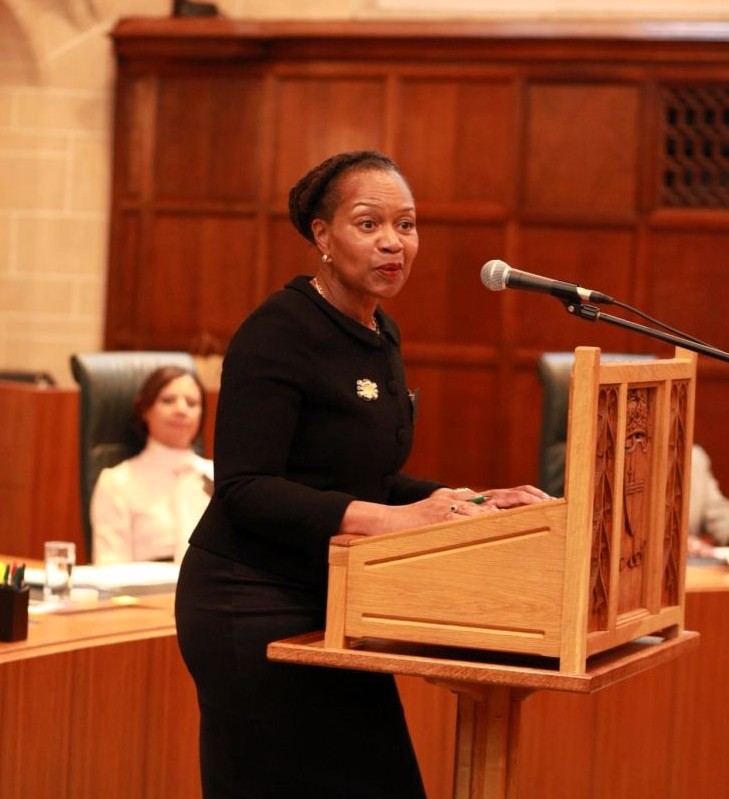
On 1 July 2025, the UK Association of Black Judges (UKABJ) was officially launched at the UK Supreme Court. This event marked a significant moment in British legal history. It was held in Court 1 and brought together Black judges and senior legal officials. Jacqueline Devonish spoke at the event, offering her support and urging for lasting change.
At first, Jacqueline Devonish was unsure if she qualified for a judicial position. This showed that many people are either not fully aware of the coroner’s role or do not often consider it. Because the job involves determining the causes of death, Devonish’s journey was unique, but she believes that with dedication, anyone can learn the necessary skills. Her road to success started when she earned a business degree, then moved into law by taking the Common Professional Examination (CPE). She started her legal career in 1991 as a solicitor, focusing on civil litigation, family law, and conveyancing. Three years later, she became managing partner of a London firm and set up its litigation department. In 2006, she joined the Solicitors Disciplinary Tribunal (SDT) and served as chair for 14 years.
During this time, she prosecuted fraud, became Assistant Coroner in 2011, and later served as Suffolk’s Area Coroner. She also joined the UK Association of Women Judges, led Suffolk’s Race Equality Action Plan, gave talks on equality, diversity, and inclusion, and received team recognition during COVID-19.
In 2009, after earning higher rights of audience, she became a government prosecutor. A colleague suggested she attend coroners’ court hearings, where she realised her experience as a prosecutor and tribunal judge was valuable. She was later appointed Assistant Coroner in London, a position similar to a fee-paid judge in HM Courts and Tribunals Service. Solicitors bring important skills to the coroner role, such as client care, accountability, case management, policymaking, and supporting staff wellbeing.
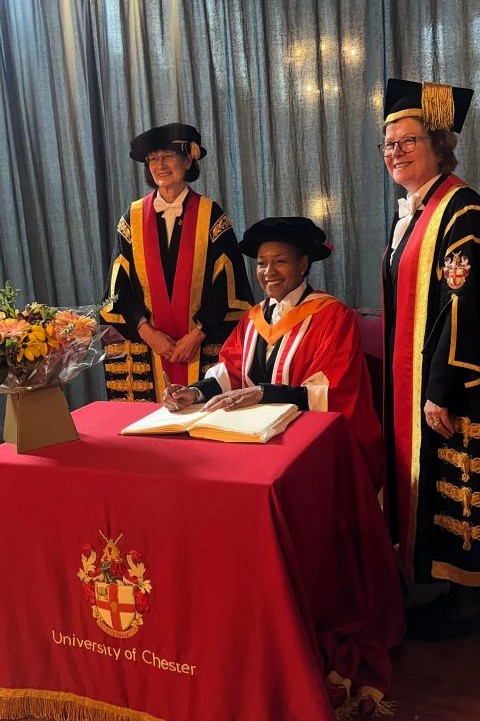
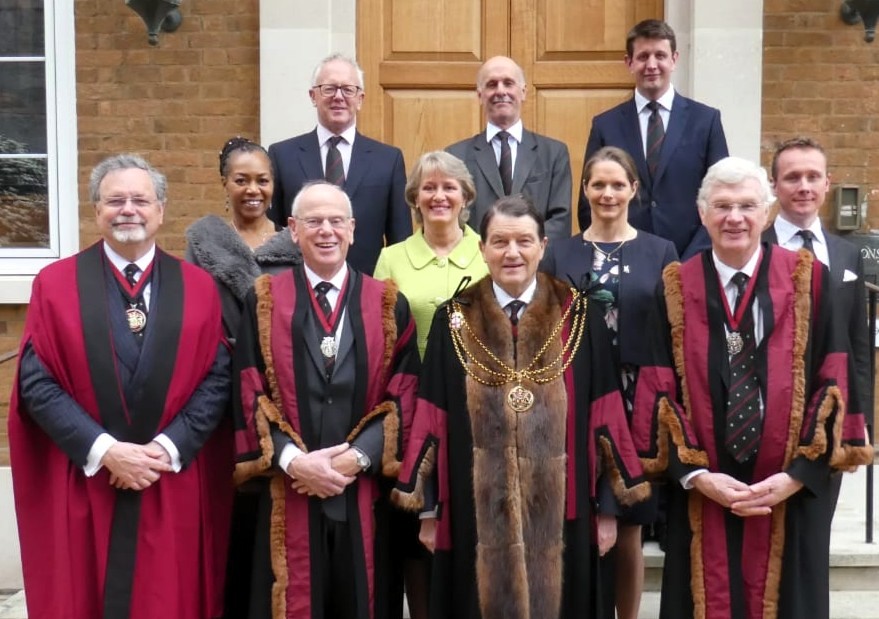
In 2013, Ms Devonish earned a diploma in forensic medical science to strengthen her skills as a coroner. After COVID, she was advanced to the Livery with the Worshipful Company of Barbers and granted Freedom of the City of London.
Ms Devonish trains stakeholders and volunteers in the coroner service. She works with groups like The Law Society of England and Wales, the Barbados High Commission, and the National Council of Barbadian Associations UK.
The High Sheriff of Cheshire awarded her coronial team for the outstanding service standards. In 2025, Chester University awarded Jacqueline Devonish a Doctorate in Laws for her contributions to the county in her role as Coroner.
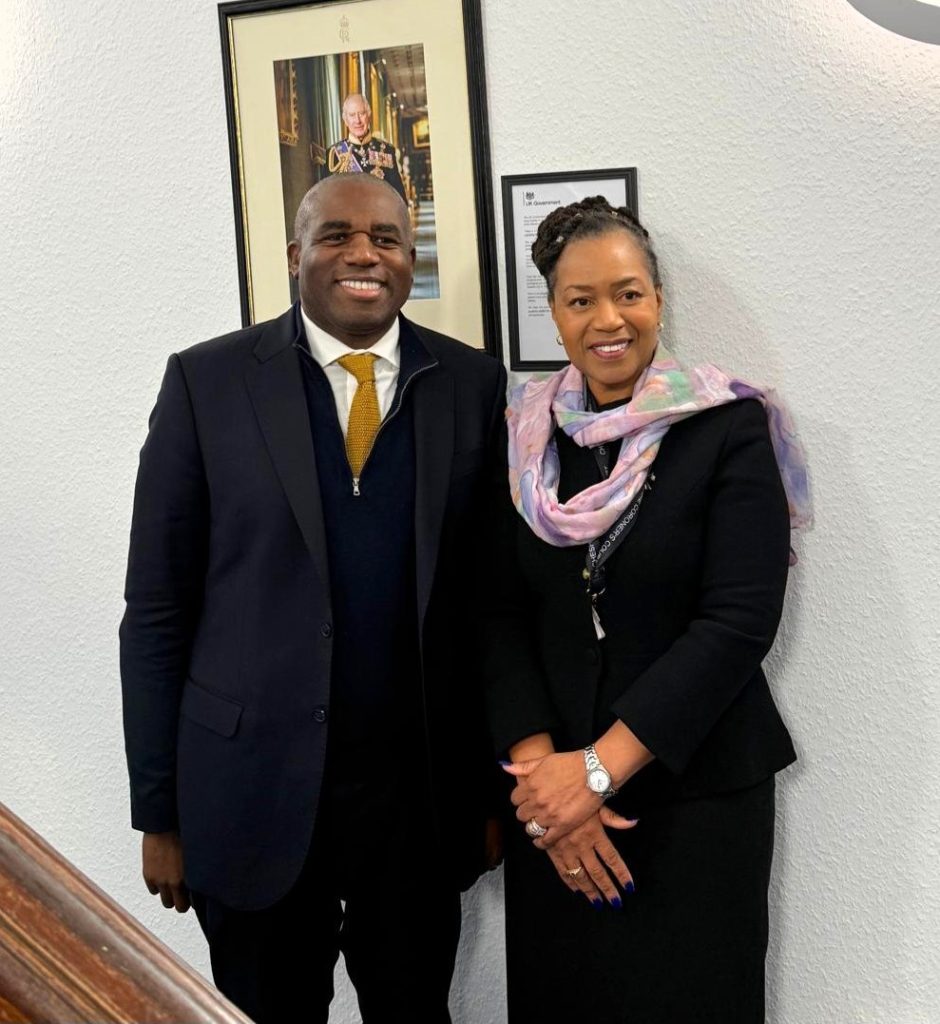
In a recent conversation with Deputy Prime Minister David Lammy, Devonish termed the role of coroner as exceptional. In fact, her relish for her job shines through. A woman aware of her identity as a Black woman and is proud to serve as a role model, especially for Black solicitors, barristers, and judges. Through outreach, she encourages aspiring Black professionals and shows them that this career is possible. “Handholding,” says Devonish.
Jacqueline Devonish’s appointment is an important step toward greater diversity in the judiciary. A confessed “workaholic”, she’s proven she can adapt easily, staying determined and earning others’ respect while expecting the same in return, all without lowering her own high standards.
Her story will inspire others considering a career in the profession.