


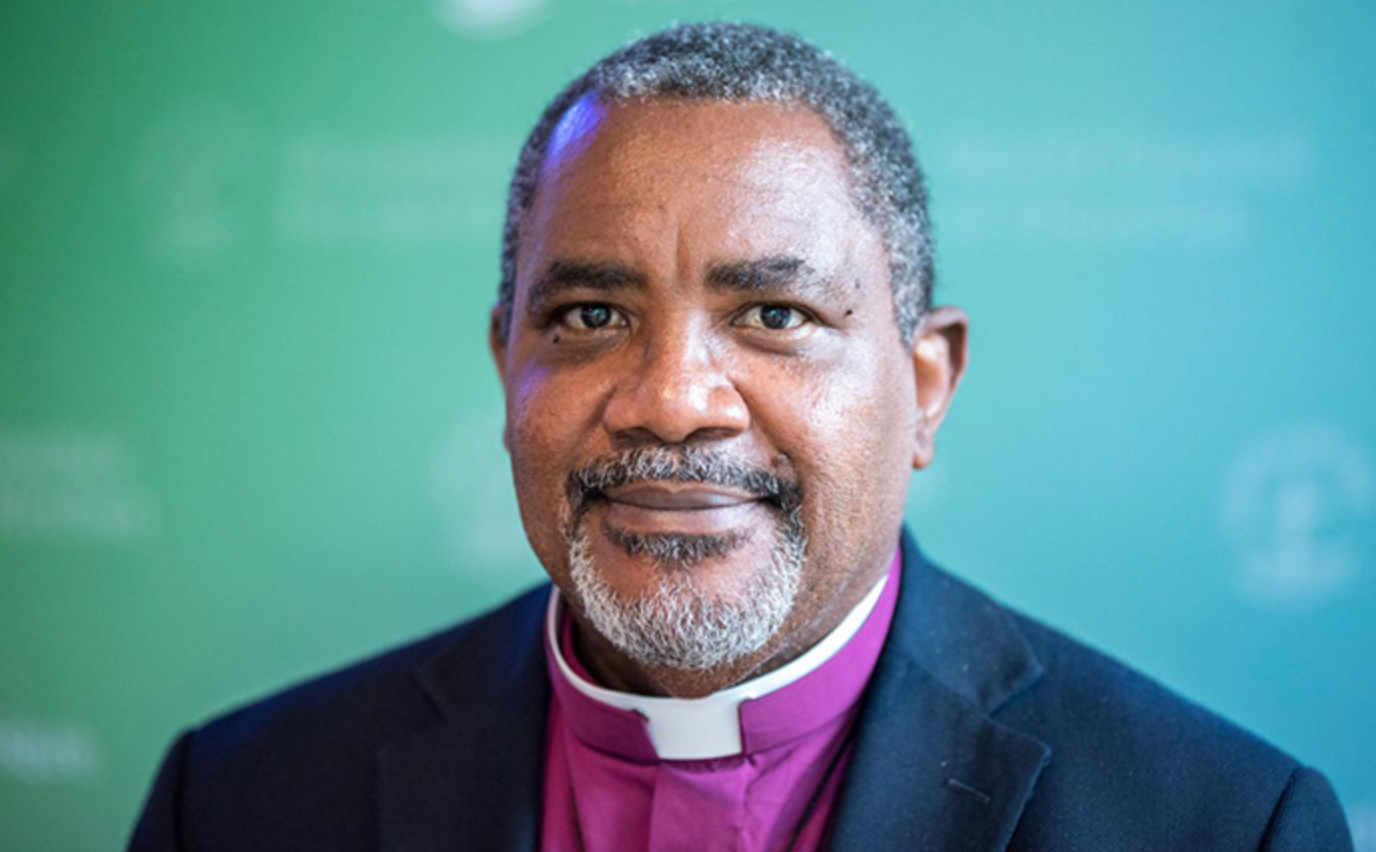
The Most Revd Philip Wright, Archbishop of the Church in the Province of the West Indies (CPWI), commended the Church of England’s Project Spire initiative despite criticism in Parliament. Addressing an international gathering of bishops, he emphasised that the Anglican Church should move beyond mere symbolic apologies for its involvement in the transatlantic slave trade and instead engage actively in reparative justice to uphold its credibility in sharing the gospel.
Archbishop Wright was among 40 Anglican church leaders from 31 countries who took part in an International Consultation, Breaking the Chains of Injustice, led by the UK charity The United Society Partners in the Gospel (USPG), exploring the legacy of colonialism on indigenous cultures, languages, and lands.
While slavery legally came to an end in the British Caribbean in 1834 with the Slavery Abolition Act, it is widely acknowledged to be one of the leading causes of intergenerational economic disparity and inequality, environmental degradation, and social challenges facing the region today.
Calls for reparations from countries and institutions which benefitted from the slave trade have been growing over the past decade. In 2013, the regional organisation of Caribbean nations (CARICOM) launched a ‘Ten Point Plan for Reparatory Justice’, and in 2015, the CPWI passed a motion at its Synod in support of calls for reparatory justice and reparations for the Caribbean. In 2023, the Church Commissioners of the Church of England responded to such calls by launching a £100m initiative, Project Spire, which aims to address its historical links to transatlantic slavery.
Speaking at the event, Archbishop Wright said, “The legacy of slavery places the Anglican Church at a significant moral crossroads. The recognition of the complicity of the Church in the transatlantic slave trade opens the door to the possibility of transformation. However, if we are not careful, words can become empty rhetoric, which leads to false hope – the end state of which can be worse than the original.
“The aim of reparatory justice is not to seek retribution. It is about recognising the harm caused by centuries of enslavement and exploitation that now demands deliberate and intentional redress. Initiatives like Project Spire and USPG’s Renewal and Reconciliation: The Codrington Project are the first steps towards achieving this aim.”
Launched in 2024, The Codrington Project aims to atone for USPG’s involvement in the slave trade after Christopher Codrington bequeathed a slave plantation in Barbados to the society in 1710. Among other initiatives, the project works to transfer the ownership to the descendants of enslaved people, as well as identify the burial sites of enslaved persons and ensure they are memorialised.
USPG’s General Secretary Duncan Dormor said, “It is critically important that members of the Church of England take the moral claims of Caribbean Anglicans for reparative justice seriously. The Church was deeply involved in the brutal, inhumane, and shameful activities of the slave trade and plantation chattel slavery. As Christians, we are called to the work of repair and reconciliation in a spirit of openness, humility, and constructive critical reflection on the past, and we should grasp this opportunity to work together to build a more just future. For USPG, reparative justice lies at the heart of the practice of Christian mission today and initiatives like Project Spire and The Codrington Project receive strong support across the Anglican Communion.”
When asked about how the Anglican Church could support communities in the Caribbean today, Wright commented, “For us, I would say it needs to be a church that can help make a difference in the lives of our people. Despite the baggage the Anglican Church carries, our mission remains. We hope these collaborative efforts will help facilitate this. There remains much good the Church has accomplished over centuries of work in the region.
“It is not just about money; it is about acknowledging that the issues we face today are part of the legacy of slavery. We are calling for support in building new schools and hospitals so our people can step out of the legacy of this horrendous period of history.”
The Archbishop of Canterbury, The Most Revd Sarah Mullally, sent a message of encouragement to the Consultation, saying: “I am deeply grateful for the work you are doing together this week, and for the spirit of fellowship, shared mission, and mutual encouragement that characterises your time together. USPG’s commitment to partnership, justice, and the flourishing of local churches continues to bless the Anglican Communion in profound and enduring ways.”
The USPG is the Anglican mission agency that partners with churches worldwide in God’s mission to rethink mission, energise the Church and champion justice. USPG has a global perspective and long-established relationships with the churches of the Anglican Communion.
