


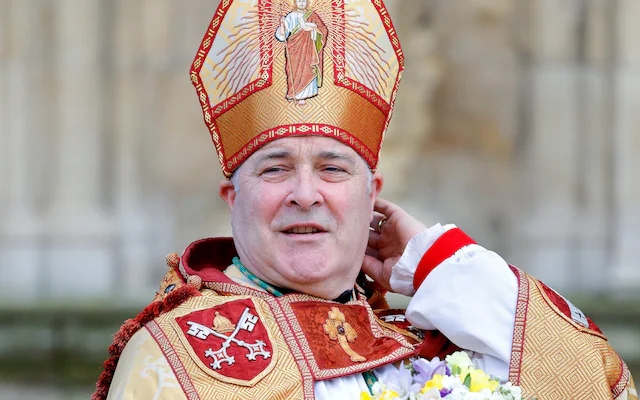
A survivor of sexual abuse by a Church of England priest has expressed deep disappointment that there will be no disciplinary hearing about how the Archbishop of York handled her abuser’s case. In 2024, a BBC investigation found that when Stephen Cottrell was Bishop of Chelmsford, he let David Tudor continue working as a priest for nine years, even though he knew about Tudor’s past sexual misconduct.
The Church’s president of tribunals, who is in charge of internal discipline, decided that Cottrell did not have the power to remove or suspend Tudor from ministry. One of Tudor’s victims criticised this decision and said it raises questions about accountability in the Church.
Historical Allegations
Reports of David Tudor’s sexual misconduct go back to the 1980s. There were several cases of inappropriate behaviour, and the Church’s response allowed him to keep working in church roles.
In 1988, while working as a vicar and school chaplain in Surrey, Tudor was convicted of indecent assault against three girls and sentenced to six months in prison. The conviction was later overturned for technical reasons. Before that, Tudor had been found not guilty in another case but admitted to having sexual activity with a sixteen-year-old girl.
A recent statement from the Church’s president of tribunals said Tudor used his position to groom teenage girls, which was a serious breach of trust. Although Tudor was banned from ministry in 1989, he was allowed back five years later and then became an area dean in charge of twelve parishes.
When Stephen Cottrell became Bishop of Chelmsford in 2010, he took over responsibility for Tudor. He admitted that he learned about serious safeguarding concerns early on. There were already rules stopping Tudor from being alone with minors or going into schools. By 2012, Cottrell also knew about a £10,000 settlement Tudor paid to resolve an abuse claim from when the victim was eleven. Still, in 2015, Cottrell made Tudor an Honorary Canon at Chelmsford Cathedral.
In 2024, Cottrell said the situation with Tudor was deeply regrettable and that it still affected him. However, BBC reports showed that Cottrell had publicly praised Tudor before the permanent ban. Safeguarding advocates and senior clergy, including Bishop Helen-Ann Hartley, said Cottrell could have done more to remove Tudor from ministry.
The Church tribunal found that Cottrell did not have the legal power to remove Tudor. However, they said that renewing Tudor’s contracts as area dean in 2013 and 2018 was a major concern. Cottrell has since admitted these decisions were mistakes that did not properly consider the victims. The tribunal said Tudor’s risk was being monitored and decided no further investigation was needed.
A victim known as “Debbie” said Tudor abused her when she was between 13 and 15 years old. After the tribunal’s decision, she said she was unhappy with the process. She stressed the need for senior leaders to be held accountable and raised concerns about protecting vulnerable people in the Church.
David Tudor was suspended in 2019 after new allegations came up, leading to a police investigation into past abuse claims. In October 2024, he was permanently banned from the Church of England after admitting to old cases involving two girls. The year before, a tribunal upheld a complaint about his abuse of a minor in the 1980s.
The Church’s president of tribunals said Stephen Cottrell welcomed the chance to address concerns and apologise for past mistakes. The proceedings also showed that Dame Sarah Mullally, now the Archbishop of Canterbury, was involved. As Bishop of London, she first dismissed the complaint against Cottrell. This decision was later challenged and reviewed. The president of tribunals said the earlier dismissal should have led to a formal investigation.
Victims’ advocacy groups are still worried about bishops judging cases involving their peers. Recently, Stephen Cottrell decided that Dame Sarah Mullally had no case to answer about how she handled an abuse complaint in the London Diocese.
